
Sustainable Everyday Living: How Kitchen Towels and Reusable Fabric Bags Make a Difference
Introduction
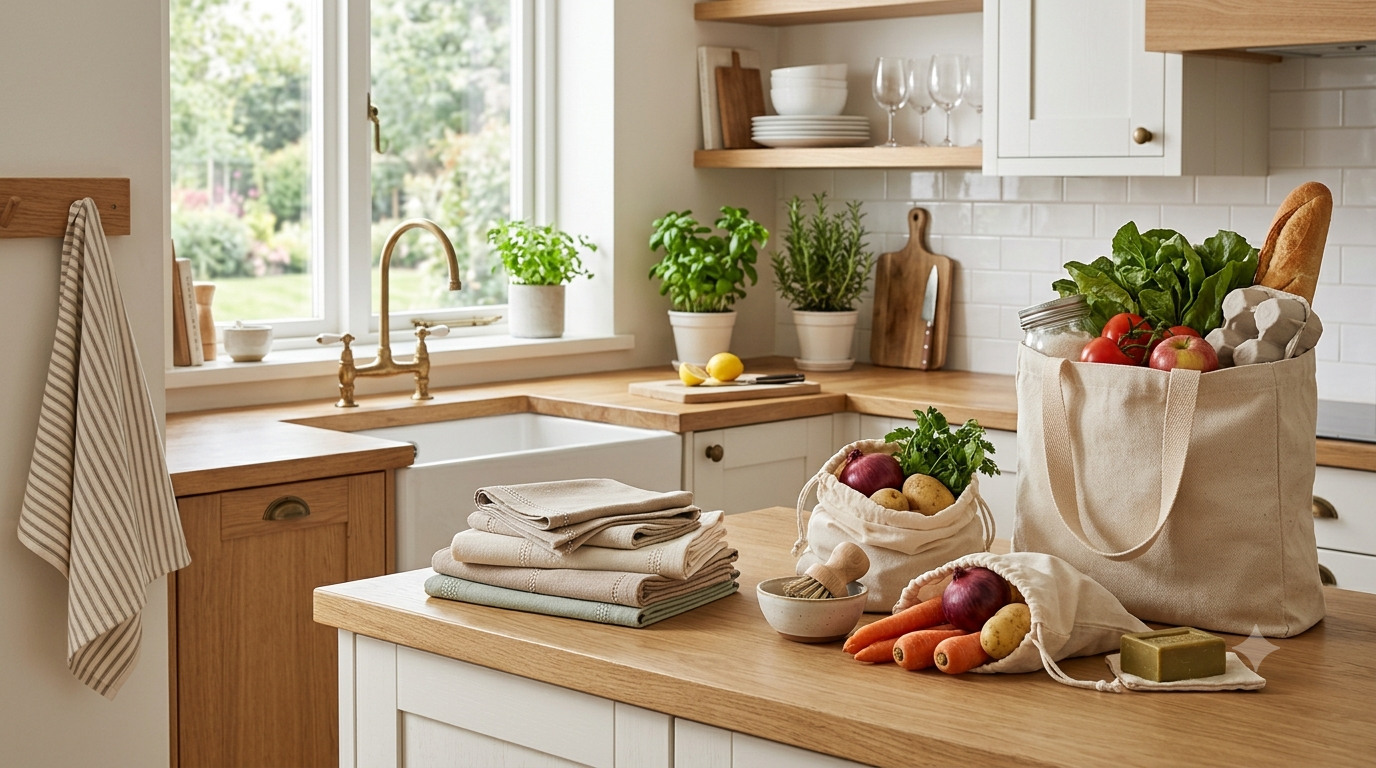
Creating a comfortable, organized, and sustainable home often begins with small everyday choices. From drying dishes after breakfast to carrying groceries home, the products we use daily can influence our cleaning routines, household organization, and shopping habits. Choosing reusable textiles instead of frequently replacing disposable alternatives is a practical way to build more mindful habits without making everyday tasks complicated.
Kitchen textiles and reusable fabric bags are especially useful because they serve multiple purposes. Tea Towels help with drying dishes, cleaning kitchen surfaces, and adding decorative details to a kitchen. Hand Towels Kitchen provide convenient ways to dry hands and maintain a more organized cooking space. Similarly, Drawstring Bags and a Cotton Canvas Grocery Tote Bag can simplify storage, organize personal belongings, and make shopping trips easier.
Understanding how to select, use, and maintain these everyday essentials helps households make practical decisions while creating a cleaner and more functional living environment.
1. The Everyday Value of Reusable Kitchen Textiles
Kitchen textiles are essential household accessories that support cooking, cleaning, and food preparation. Choosing suitable fabrics and assigning specific purposes to different towels can make kitchen routines more efficient.
How Tea Towels Support Kitchen Cleaning and Styling
Tea Towels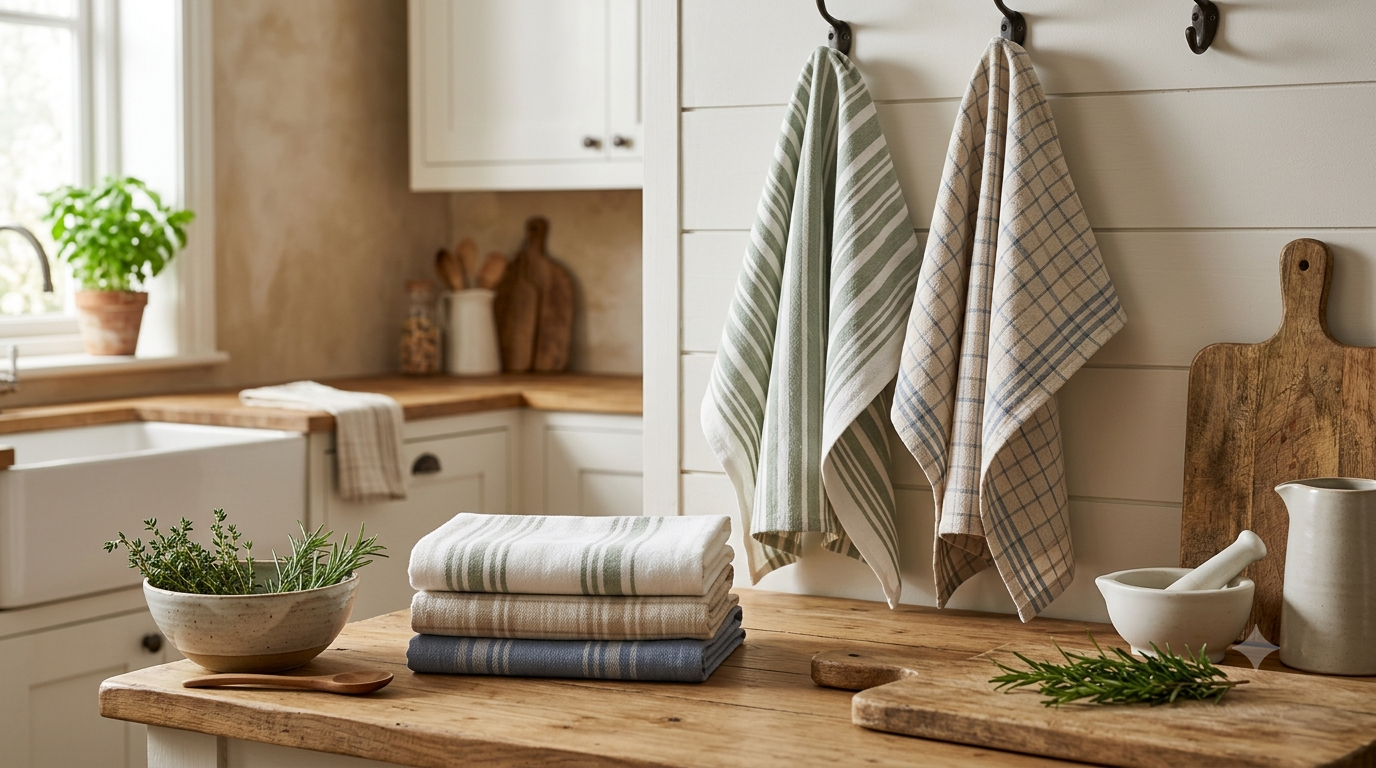 are versatile kitchen accessories commonly used for drying clean dishes, wiping spills, polishing glassware, and covering baked goods when appropriate. Their usefulness extends beyond cleaning because they can also contribute to the overall appearance of a kitchen.
For example, a neatly folded towel placed near the oven or draped over a suitable handle can introduce color, texture, or a seasonal accent. Neutral shades work well in minimalist kitchens, while stripes and checks can complement traditional or farmhouse-inspired interiors.
When choosing tea towels, consider absorbency, texture, durability, and ease of washing. Cotton is a popular option because it is comfortable to handle and suitable for many routine kitchen tasks. The appropriate fabric depends on how frequently the towel will be used and what it needs to accomplish.
To get the most out of tea towels:
-
Keep separate towels for drying dishes and wiping countertops.
-
Replace damp towels with clean, dry ones regularly.
-
Wash them according to their care instructions.
-
Avoid using decorative towels for tasks that require specialized cleaning materials.
-
Store clean towels in an accessible drawer or on a designated shelf.
These simple habits help keep kitchen textiles functional while making everyday cleaning more convenient.
2. Improving Kitchen Hygiene with Hand Towels
Hand drying is a routine activity that deserves attention in every household. Keeping clean towels available near the sink encourages better habits and prevents people from relying on unsuitable fabrics for multiple purposes.
Choosing and Using Hand Towels Kitchen
Hand Towels Kitchen are designed to provide a convenient place to dry hands during food preparation, dishwashing, and other kitchen activities. Their placement can improve organization by ensuring that a clean towel is always within easy reach.
When selecting hand towels, look for fabrics that feel comfortable, absorb moisture effectively, and can withstand frequent laundering. Cotton towels are often a practical choice for everyday household use.
The way these towels are maintained is just as important as their quality. A towel that remains damp for extended periods may develop unpleasant odors and become less suitable for continued use. Hang towels where air can circulate freely, and replace them whenever they become noticeably wet or soiled.
Simple Practices for Better Towel Hygiene
First, assign different towels to specific tasks. A towel used for drying hands should not automatically become the towel used for wiping food preparation surfaces.
Second, keep spare towels available so that replacements are easy to access. This is particularly useful in busy households where several people cook or clean throughout the day.
Third, establish a regular laundering routine based on usage. Wash kitchen towels more frequently when they become damp, dirty, or exposed to raw food juices. Follow the care label and allow the fabric to dry completely before storing it.
These practices support a more organized kitchen without requiring complicated cleaning routines.
3. Organizing Everyday Essentials with Drawstring Bags
Reusable fabric bags are not limited to grocery shopping. Smaller bags can also help organize household items, travel accessories, personal belongings, and everyday necessities.
Practical Uses for Drawstring Bags
Drawstring Bags are convenient because their simple closure allows users to open and secure them quickly. They are available in different sizes and materials, making them suitable for a variety of storage needs.
At home, small fabric bags can hold charging cables, stationery, craft supplies, toiletries, or accessories. Keeping similar items together reduces clutter and makes frequently used belongings easier to locate.
They are also helpful when traveling. A separate bag can hold socks, undergarments, cosmetics, or other small essentials inside a suitcase. For everyday errands, reusable drawstring bags can carry lightweight items that might otherwise become scattered inside a larger bag.
When choosing a drawstring bag, consider its dimensions, fabric strength, closure quality, and intended purpose. Lightweight cotton may work well for small accessories, while heavier materials may be more appropriate for items that require additional support.
Keeping Fabric Bags Clean and Useful
Fabric bags should be cleaned according to their material and care instructions. Empty them regularly, shake out loose debris, and inspect seams and drawstrings for wear.
Bags used for toiletries or gym accessories may need more frequent washing than those used for clean stationery. If a bag is intended to hold food, choose a suitable material and follow appropriate cleaning practices.
Organizing bags by purpose also makes them easier to maintain. For example, designate one bag for travel accessories and another for reusable shopping supplies. This reduces the likelihood of mixing clean items with dirty or damp belongings.
4. Making Shopping More Convenient with a Cotton Canvas Grocery Tote Bag
Shopping is another area where reusable products can become part of a practical household routine. Bringing a reusable bag on regular shopping trips reduces dependence on disposable shopping bags, provided the reusable option is used consistently and maintained appropriately.
Why Choose a Cotton Canvas Grocery Tote Bag?
A Cotton Canvas Grocery Tote Bag offers a reusable option for carrying groceries, market purchases, books, and everyday shopping items. Canvas is a woven fabric that can provide useful structure and support when its weight and construction suit the intended load.
For grocery shopping, a tote with comfortable handles and a suitable capacity can make it easier to carry items between the store, vehicle, and home. The same bag may also be useful for visiting farmers' markets, running errands, or transporting household essentials.
Before buying a tote, consider several practical features:
-
Capacity: Choose a size that accommodates your usual purchases without becoming difficult to carry.
-
Construction: Examine the seams, handle attachments, and overall fabric quality.
-
Comfort: Select handles that feel comfortable when the bag contains heavier items.
-
Storage: A foldable design can be convenient when keeping a spare tote in a backpack or vehicle.
-
Maintenance: Check whether the fabric can be washed easily and how it should be dried.
A reusable tote is most helpful when it becomes part of a regular shopping routine. Keeping one near the front door or storing a folded bag with everyday essentials can reduce the chances of forgetting it.
Caring for Reusable Grocery Bags
Reusable shopping bags require appropriate cleaning, especially when they carry groceries. Empty the bag after each trip, remove crumbs or debris, and follow the manufacturer's washing instructions.
Separate bags used for raw meat or other potentially contaminating items from bags used for ready-to-eat foods. Keep food-related bags dry between uses, and avoid storing them in places where moisture can accumulate.
Canvas totes should also be allowed to dry completely after washing. Regularly inspect the handles and seams, particularly if the bag is used to carry heavy purchases.
Although reusable bags can reduce the need for disposable alternatives, their overall environmental benefit depends partly on how often they are reused, how they are manufactured, and how they are maintained.
5. Building a More Organized and Sustainable Home
Kitchen towels and reusable bags may serve different purposes, but they share a common advantage: they can become dependable parts of everyday routines.
Create a Simple Household System
Start by assigning a specific location to each category of reusable product. Keep clean kitchen towels near the kitchen work area, store spare hand towels in an accessible cupboard, and place reusable shopping bags where they are easy to remember.
Next, establish a regular maintenance schedule. Check towels for wear, wash used fabrics appropriately, and inspect bags for damaged seams or closures. Repairing a minor problem when practical may help extend a product's useful life.
Finally, purchase items according to actual household needs. A few well-chosen towels and bags that are used regularly may be more practical than accumulating products that remain unused in storage.
Make Reusability Part of Everyday Life
Sustainable living does not require replacing every household item at once. It can begin with small decisions, such as carrying a tote on shopping trips, choosing washable kitchen textiles, and organizing personal items in reusable fabric bags.
The key is consistency. Products that fit your lifestyle, storage space, and cleaning habits are more likely to remain useful over time.
6. Practical Tips and Key Takeaways
Use these simple ideas to get more value from everyday textiles and bags:
-
Choose suitable fabrics: Consider absorbency, durability, and care requirements before purchasing kitchen towels.
-
Separate cleaning tasks: Use different towels for drying hands, drying dishes, and cleaning surfaces.
-
Keep textiles dry: Hang used towels where air can circulate and replace them when damp or soiled.
-
Organize small belongings: Use Drawstring Bags to group accessories, travel essentials, and household items.
-
Carry reusable shopping bags: Keep a Cotton Canvas Grocery Tote Bag near your everyday essentials so it is ready when needed.
-
Clean bags regularly: Follow fabric care instructions and use appropriate hygiene practices for grocery storage.
-
Buy thoughtfully: Prioritize useful sizes, reliable construction, and products that suit your regular routines.
-
Maintain what you own: Inspect reusable products periodically and repair them when practical.
These steps can help households maintain a more functional kitchen, reduce unnecessary disposable purchases, and keep everyday belongings organized.
Conclusion
Creating a practical and more sustainable home often starts with products that make daily routines easier. Tea towels can support dish drying and kitchen styling, hand towels help maintain convenient hand-drying arrangements, and reusable fabric bags provide flexible solutions for storage, travel, and shopping.
The most useful choices are those that combine everyday functionality with straightforward care and regular reuse. By selecting suitable materials, maintaining good hygiene, and organizing household essentials thoughtfully, families can develop habits that support a cleaner and more efficient living space.
For readers exploring kitchen textiles, household essentials, and reusable fabric products, All Cotton and Linen offers a relevant place to discover options for everyday home use. Visit All Cotton and Linen to explore products and find inspiration for making practical textile choices that fit your home and lifestyle.

 English
 Arabic
 French
 Portuguese
 Deutsch
 Turkish
 Dutch
Dutch
 Italiano
 Russian
 Romaian
 Portuguese (Brazil)
 Greek
Greek
