
When Should You Replace a Tailshaft Instead of Repairing It?
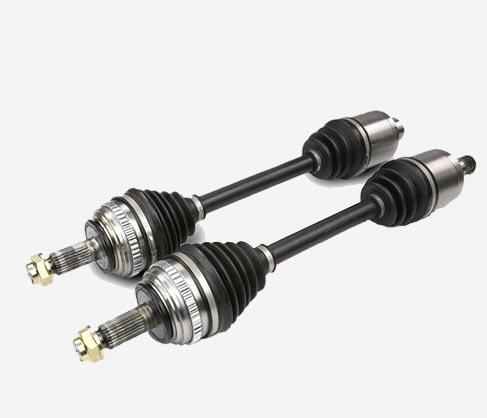
A tailshaft plays an important role in transferring power from the transmission to the differential, helping your vehicle move smoothly. Over time, wear, damage or component failure can affect its performance. In some cases, a professional repair may restore the tailshaft to proper working condition. However, severe damage or repeated mechanical problems may make replacement a more practical option.
Understanding when to repair a tailshaft and when to replace it can help prevent further driveline damage, reduce recurring repair costs and maintain safe vehicle operation. If you notice unusual vibrations, knocking noises or shuddering during acceleration, it is worth having the driveline inspected by an experienced specialist.
Understanding the Difference Between Tailshaft Repair and Replacement
Tailshaft repair involves identifying and fixing a specific problem while retaining the original shaft where possible. Depending on the condition, this may include replacing worn universal joints, repairing damaged connections, correcting imbalance or replacing certain serviceable components.
Tailshaft replacement involves installing a new or suitable replacement assembly when the existing shaft is too damaged, worn or unsuitable for reliable repair. The correct option depends on the type of vehicle, the extent of the damage, component availability and the overall condition of the shaft.
A professional inspection can help determine whether repairing the existing assembly is appropriate or whether replacement offers a more dependable long-term solution.
1. When the Tailshaft Has Severe Structural Damage
One of the clearest reasons to consider replacement is significant structural damage. A tailshaft that is bent, badly dented or distorted may no longer rotate correctly, even if some individual components can be repaired.
A damaged shaft can cause excessive vibration, place additional stress on driveline connections and affect the performance of nearby components. Minor damage may sometimes be assessed and corrected by a specialist, depending on the shaft's design and condition. However, severe deformation or damage that compromises its structural integrity may make replacement necessary.
Do not assume that a visibly damaged tailshaft can always be straightened safely. A specialist should assess whether the shaft can meet the required operating and balance specifications after repair.
2. When Tailshaft Repairs Keep Failing
Occasional component wear does not automatically mean the entire tailshaft needs replacing. However, repeated problems may indicate that the original assembly has more extensive wear or damage than initially identified.
For example, you might have universal joints replaced only to experience vibration or knocking noises again shortly afterwards. The cause could involve incorrect alignment, an imbalance, worn mounting components or damage elsewhere in the driveline.
If the same symptoms return after multiple repairs, a more comprehensive inspection is worthwhile. The specialist can assess the shaft, joints, centre bearing, mounting points and connected components to identify the underlying cause.
Where the original shaft has extensive wear or cannot be restored reliably, replacement may be more practical than continuing with repeated repairs.
3. When the Tailshaft Is Heavily Worn or Corroded
Tailshafts operate underneath the vehicle, where they can be exposed to moisture, dirt, road debris and changing temperatures. Over time, these conditions may contribute to corrosion and deterioration.
Surface rust does not necessarily mean a tailshaft must be replaced. The important consideration is whether corrosion has affected the shaft's structural strength, connections or other critical areas.
Severe corrosion, damaged connection points or deterioration that compromises safe operation may make replacement the better option. A specialist can determine whether the damage is limited to a serviceable component or affects the complete assembly.
Vehicles used for towing, commercial work or frequent driving in harsh conditions may benefit from regular driveline inspections to identify problems before they become more serious.
4. When the Tailshaft Cannot Be Balanced Correctly
Correct balance is essential for smooth tailshaft operation. An imbalance can cause vibration that becomes more noticeable as vehicle speed increases. It may also contribute to additional stress on bearings, joints and mounting components.
In many cases, tailshaft balancing can correct vibration caused by an imbalance, provided the shaft is otherwise in suitable condition. A specialist may also need to check for worn universal joints, damaged connections, incorrect installation or other mechanical issues.
However, if a shaft is severely bent, structurally damaged or unable to meet the required balance specifications, balancing alone may not resolve the problem. Replacement may then be the more appropriate option.
Before deciding, it is important to establish whether the vibration originates from the tailshaft itself or another part of the driveline. Replacing a shaft without diagnosing the underlying cause may not eliminate the symptoms.
5. When Replacement Is More Cost-Effective
Repair is often suitable when the damage is isolated and the remaining assembly is in good condition. For example, replacing a worn universal joint may be more economical than installing a complete new tailshaft.
However, costs can increase when several components require attention, specialised machining is necessary or repeated repairs fail to solve the problem. In these circumstances, replacing the assembly may provide better long-term value.
When comparing repair and replacement, consider:
-
The cost of the immediate repair or replacement.
-
The condition of the shaft and connected components.
-
Whether the required parts are available.
-
The likelihood of further repairs.
-
The vehicle's intended use and expected workload.
-
Any applicable warranty and installation requirements.
The cheapest initial option is not always the most economical over time. Ask your specialist to explain the condition of the existing shaft and the reasons for recommending either repair or replacement.
6. When Suitable Replacement Parts Are Available
Some tailshafts can be repaired using replacement components, while others may require specialised parts or a custom-made assembly. Availability can influence both the repair process and the overall cost.
For certain vehicles, a replacement shaft may be readily available. Other applications may require a specialist to source suitable components, recondition an existing assembly or manufacture a shaft to the correct specifications.
A replacement must match the vehicle's requirements, including shaft dimensions, connection types, operating angles and balance specifications. Choosing an unsuitable assembly can lead to installation difficulties, vibration or premature wear.
A driveline specialist can assess the options and recommend a suitable solution for the vehicle rather than relying on appearance or dimensions alone.
7. Warning Signs That Your Tailshaft Needs Attention
Recognising early symptoms can help prevent a minor issue from developing into more extensive damage. While these signs do not automatically mean the tailshaft must be replaced, they indicate that an inspection may be necessary.
Common warning signs include:
-
Vibration while driving: A vibration felt through the vehicle, particularly during acceleration or at certain speeds, may indicate imbalance, wear or damage.
-
Knocking or clunking noises: A repeated noise when taking off, changing gears or accelerating may be associated with worn universal joints or driveline connections.
-
Shuddering during acceleration: A vehicle that shakes when power is applied may have a tailshaft issue or another driveline fault.
-
Unusual movement or looseness: Excessive movement around joints or mounting components may indicate wear that needs professional attention.
-
Repeated driveline problems: Recurring symptoms after repairs may suggest an unresolved underlying issue.
If the vehicle develops severe vibration, a loud mechanical noise or signs of a loose or damaged shaft, stop driving when it is safe to do so and arrange a professional assessment. A failing tailshaft can create a serious mechanical hazard.
8. Check Related Components Before Replacing the Tailshaft
Tailshaft problems do not always originate from the shaft itself. Worn universal joints, centre bearings, mounting points or transmission and differential connections can produce similar symptoms.
A thorough inspection should also consider other driveline components. Depending on the vehicle, worn CV joints may cause clicking noises during turns or vibration under acceleration. Damaged CV boots can allow grease to escape and dirt to enter, accelerating joint wear.
Steering concerns should also be assessed separately. If a vehicle has steering stiffness, fluid leaks or difficulty turning, a technician may recommend power steering rack repair if the steering rack is found to be faulty. These symptoms should not automatically be attributed to the tailshaft.
Checking related systems helps ensure that the correct component is repaired or replaced and reduces the risk of unnecessary work.
9. How a Tailshaft Specialist Determines the Right Option
A professional assessment generally begins with the vehicle's symptoms and operating conditions. The technician may inspect the shaft for visible damage, check universal joints and centre bearings, examine the mounting points and assess the connected driveline components.
Where appropriate, further testing can help identify vibration, imbalance or alignment issues. The specialist then considers whether the damaged components can be repaired and whether the shaft can safely return to the required operating specifications.
If the damage is limited and the assembly remains structurally sound, repair may be suitable. If the shaft is severely damaged, excessively worn or cannot be restored to the required specifications, replacement may be recommended.
For drivers seeking tailshaft Melbourne services, choosing an experienced driveline specialist can help ensure the problem is properly diagnosed before a repair or replacement decision is made.
Final Thoughts
Replacing a tailshaft is not always necessary when a problem first appears. Many issues, including worn universal joints or correctable imbalance, can be resolved through targeted repairs. However, severe structural damage, significant corrosion, repeated failures or an inability to restore the shaft to the required specifications may make replacement the more appropriate choice.
The best decision depends on the condition of the assembly, the cause of the fault and the long-term reliability of the available options. A professional inspection can help you compare the costs and benefits of repair versus replacement while protecting other driveline components.
A1 Drive Shafts provides driveline services in Melbourne, including tailshaft repairs, reconditioning, balancing and replacement solutions. If your vehicle is experiencing vibration, knocking or shuddering, contact an experienced specialist to arrange an assessment and determine the most suitable next step.

 English
 French
 Spanish
 Portuguese
 Deutsch
 Turkish
 Dutch
Dutch
 Italiano
 Russian
 Romaian
 Portuguese (Brazil)
 Greek
Greek
