
What Are the Possible Risks and Side Effects of Liposuction?
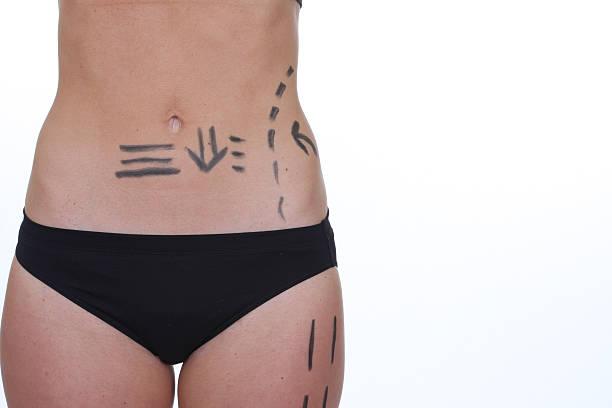
Liposuction is a cosmetic procedure designed to remove stubborn fat deposits and improve body contours. It can help reshape areas such as the abdomen, thighs, hips, arms, back, and chin when diet and exercise have not achieved the desired appearance. However, like any surgical procedure, liposuction carries potential risks and side effects that patients should understand before making a decision. If you are researching Best Liposuction in Riyadh, learning about the recovery process, possible complications, and ways to reduce risks can help you prepare for an informed consultation.
The effects of liposuction vary depending on the treatment area, technique, amount of fat removed, general health, and individual healing response. Some effects, such as bruising and swelling, are expected during recovery and usually improve over time. Other complications are less common but may require medical attention. Choosing a qualified plastic surgeon, undergoing a proper medical assessment, and following postoperative instructions are important parts of safe treatment planning.
Common Side Effects of Liposuction
Swelling and Bruising
Swelling and bruising are common after liposuction because the procedure affects tissues beneath the skin. These effects may be more noticeable when several areas are treated during the same session. Swelling usually decreases gradually, although some residual swelling can take weeks or longer to settle.
Surgeons may recommend compression garments to help support the treated areas during recovery. Wearing them as instructed and attending follow-up appointments can help your medical team monitor healing.
Pain and Tenderness
Patients may experience soreness, tenderness, or a feeling similar to muscle soreness after exercise. The intensity depends on the extent of treatment and individual sensitivity. Your surgeon can provide appropriate guidance for managing discomfort and explain which medications are suitable.
Severe or worsening pain should not be dismissed as normal recovery. Contact your medical team if discomfort becomes intense, increases unexpectedly, or occurs alongside other concerning symptoms.
Temporary Numbness or Changes in Sensation
Some patients experience temporary numbness, tingling, or altered skin sensitivity in treated areas. These changes can occur as tissues recover from surgery and often improve gradually. In some cases, sensory changes may persist for longer than expected.
Report persistent or worsening symptoms during follow-up visits so your surgeon can assess your recovery.
Fluid Drainage and Minor Incision Changes
Small incisions may produce limited fluid drainage during the early recovery period. The amount and duration depend on the technique used and the treatment area. Follow your surgeon's wound-care instructions, keep the area clean as directed, and avoid applying unapproved products.
Increasing redness, warmth, pus, fever, or worsening tenderness may indicate an infection and should be assessed promptly.
Possible Complications of Liposuction
Although many patients recover without serious problems, liposuction can cause complications that require medical treatment.
Infection
Infection can occur at an incision site or within the treated tissues. Symptoms may include spreading redness, increasing pain, warmth, discharge, or fever. Good surgical standards and proper wound care help reduce risk, but infection cannot be ruled out entirely.
Uneven Contours and Skin Irregularities
Liposuction can sometimes result in unevenness, dents, lumps, asymmetry, or rippling beneath the skin. These changes may be associated with healing, skin elasticity, fat removal patterns, or other individual factors. Significant skin laxity can also become more noticeable after the underlying fat is removed.
Careful treatment planning and appropriate surgical technique can help reduce the likelihood of contour irregularities, but perfectly symmetrical results cannot be guaranteed.
Fluid Accumulation
A collection of fluid beneath the skin, known as a seroma, can develop after surgery. It may cause swelling, fullness, or discomfort in the treated area. Some cases resolve with observation, while others require drainage or additional medical care.
Changes in Skin Color or Scarring
Small scars are expected where incisions are made. Their appearance varies according to skin type, healing, incision placement, and postoperative care. Some patients may develop darker or lighter skin patches in treated areas, and these changes may take time to improve or may persist.
Blood Clots
Surgery and reduced mobility can increase the risk of blood clots in the legs. A clot may travel to the lungs and become life-threatening. Your surgical team will assess your risk and may recommend early walking, compression devices, or medication when appropriate.
Sudden shortness of breath, chest pain, coughing up blood, or fainting requires emergency medical attention. One-sided leg swelling, pain, warmth, or redness also needs urgent assessment.
Rare but Serious Risks
Serious complications are uncommon but can include excessive bleeding, adverse reactions to anesthesia, fluid imbalance, damage to deeper tissues or organs, and fat embolism. The likelihood of complications depends on the patient's health, the extent of surgery, the technique used, and the quality of medical care.
Removing larger amounts of fat or treating multiple areas may increase the complexity of the procedure. For this reason, a surgeon may recommend treating areas in separate sessions when that is the safer option.
People considering Best Liposuction in Riyadh should ask about the surgical setting, anesthesia arrangements, emergency protocols, and how complications are managed. Understanding these details is an important part of informed consent.
How Can You Reduce the Risks of Liposuction?
Choose a Qualified Plastic Surgeon
Select a properly qualified surgeon with appropriate training and experience in liposuction. Ask about their experience with your intended treatment areas, the expected outcome, and the limitations of the procedure.
Share Your Complete Medical History
Tell your surgeon about existing medical conditions, allergies, previous surgeries, smoking or nicotine use, and all medications and supplements you take. Some medications may need adjustment, but you should never stop prescribed medication without medical guidance.
Follow Preoperative Instructions
Your surgical team may provide instructions about fasting, medication use, smoking, and arranging transport and support after surgery. Following these recommendations helps prepare you for the procedure and recovery.
Follow Postoperative Care Instructions
Wear compression garments if prescribed, walk gently as directed, keep incisions clean, and attend scheduled follow-up appointments. Avoid strenuous activity until your surgeon confirms that it is safe to resume it.
Contact your medical team promptly if you develop fever, worsening pain, spreading redness, unusual swelling, or other unexpected symptoms. Do not wait for a routine appointment if symptoms are severe or rapidly worsening.
Is Liposuction Worth Considering Despite the Risks?
Liposuction may be appropriate for people with localized fat deposits who are in suitable health and have realistic expectations. It is not a weight-loss procedure, and it does not guarantee a particular body shape or eliminate cellulite. Patients with significant loose skin may need another procedure to address their concerns.
Before deciding, weigh the potential benefits against the risks, recovery demands, and possibility of needing further treatment. A personalized consultation helps establish whether liposuction is appropriate for your anatomy and goals.
Book Your Consultation at Royal Clinic Saudia
If you are considering body contouring, understanding the risks is just as important as learning about the potential results. Royal Clinic Saudia can discuss your concerns, review your suitability for liposuction, and explain the expected recovery process and possible complications. Arrange a consultation to receive individualized guidance and make an informed decision about your treatment options.
FAQs:
What are the most common side effects of liposuction?
Common side effects include swelling, bruising, soreness, tenderness, temporary numbness, and fluid drainage from small incisions. These effects generally improve during recovery, although the timeline varies.
Can liposuction cause permanent damage?
Permanent complications are possible but uncommon. These may include lasting numbness, noticeable contour irregularities, scarring, or serious complications involving deeper tissues. Discuss your individual risk factors with a qualified surgeon.
How can I tell if a complication is developing after liposuction?
Worsening pain, fever, spreading redness, pus, or unusual swelling should be reported promptly. Sudden chest pain, difficulty breathing, fainting, or coughing up blood requires emergency medical attention.
Is liposuction safe for everyone?
No. Suitability depends on general health, medical history, medications, skin condition, and the extent of the proposed procedure. A qualified surgeon must assess each patient and explain whether the expected benefits outweigh the risks.

 English
 Arabic
 French
 Spanish
 Portuguese
 Turkish
 Dutch
Dutch
 Italiano
 Russian
 Romaian
 Portuguese (Brazil)
 Greek
Greek
