
Baltimore Signsmiths: How Can Businesses Create a Consistent Brand Experience With Custom Signage?
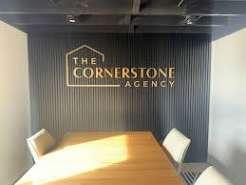
A business's brand is shaped by the experiences customers have at every point of contact. Digital marketing, customer service, printed materials, building design, and physical signs all contribute to how people recognize and remember a company.
For Baltimore businesses, signage provides an opportunity to connect these experiences through consistent colors, typography, logos, and messaging. A coordinated approach can help customers identify the business, navigate its premises, and understand what the company represents.
Creating a consistent brand experience requires more than placing a logo on different surfaces. It involves planning how each sign contributes to the overall customer journey.
What Does a Consistent Brand Experience Mean?
A consistent brand experience means that customers encounter recognizable visual and communication standards across different business interactions.
For example, a company may use the same logo and color palette on its website, storefront, reception area, and service vehicles. Although the physical formats differ, the underlying identity remains recognizable.
Consistency does not mean every sign must have the same dimensions or layout. An exterior identification sign serves a different purpose from an interior directory or promotional window display.
The objective is to maintain recognizable brand elements while adapting each sign to its environment.
Why Should Businesses Establish Signage Standards?
Without a clear plan, signs can be designed independently, resulting in inconsistent colors, typography, logo placement, and messaging.
These differences can make a business appear less organized and may weaken recognition over time.
A signage standards document can establish rules for:
-
Approved logo versions and proportions
-
Brand colors and typography
-
Spacing and placement of visual elements
-
Sign types and their intended purposes
-
Material and finish preferences
-
Illumination and readability
-
Installation and maintenance expectations
Having these guidelines available makes it easier to coordinate new signs, replace damaged graphics, and maintain consistency as the business grows.
How Can Exterior Signs Introduce the Brand?
Exterior signage is often the first physical interaction a customer has with a business.
A building sign, freestanding display, or entrance sign should make the business easy to identify from the intended approach. The design should consider the building's architecture, surrounding environment, and viewing distance.
Businesses should avoid choosing a sign solely because it looks attractive in a design proof. The final result must also work in the actual location.
For example, a sign installed near a busy road may need a concise message and highly legible lettering. A sign at a pedestrian entrance may accommodate additional information because visitors can stop and read it.
Well-planned outdoor signs can establish the initial impression while connecting the physical location with the company's wider visual identity.
How Can Interior Signage Continue the Experience?
Once customers enter the premises, interior signage can reinforce the same brand standards.
Reception displays, room identification, directories, directional signs, and wall graphics can use consistent visual elements to make the environment feel coordinated.
Interior signs also have practical responsibilities. Customers need to find entrances, departments, service counters, and other destinations without confusion.
A strong interior system balances branding with clear communication. Decorative graphics should not interfere with essential directions, and informational signs should remain easy to read.
Businesses should consider the customer's route through the premises when deciding where signs belong.
Can Window Graphics Support Brand Consistency?
Windows offer another opportunity to connect the exterior and interior appearance.
Window graphics in baltimore can display a business name, logo, operating hours, services, or promotional information. Their design should complement the building sign rather than introduce an unrelated visual style.
Businesses should consider the amount of glass to cover, the visibility of interior displays, and whether the graphics are permanent or temporary.
For example, a retailer might maintain permanent logo lettering while changing a smaller promotional section for new products or seasonal campaigns.
This arrangement allows the business to keep its core identity recognizable while adapting its messaging.
What Role Can Illuminated Signs Play?
Illuminated displays can add visual emphasis to particular parts of a business environment.
A reception area might feature a backlit logo, while a hospitality business may use custom led neon signs to create a distinctive interior feature.
The design should remain connected to the brand's existing colors, typography, and visual personality.
Illumination should also suit the surroundings. A subtle display may be appropriate for a professional office, while a more expressive design may fit an entertainment venue.
Businesses should consider brightness, installation conditions, electrical requirements, and maintenance before selecting an illuminated solution.
How Can Businesses Coordinate Signage Across Locations?
Companies operating multiple branches face additional challenges because buildings, entrances, and surrounding conditions may differ.
A standardized design system helps preserve core branding while allowing practical adjustments at individual sites.
For instance, each location may use the same logo and typography while adjusting the size, mounting method, or layout to fit the building.
Businesses should maintain approved artwork and production specifications so replacements and future projects follow the same standards.
Regular reviews can help identify signs that have become outdated or no longer match the current brand.
How Should Signage Be Evaluated After Installation?
The installation process should not be considered complete simply because the sign has been mounted.
Businesses should review whether the sign is visible, readable, correctly positioned, and consistent with the approved design.
It is also useful to consider the experience from the customer's perspective. Can visitors identify the entrance? Is the reception area easy to locate? Are directional signs placed where decisions need to be made?
These observations can reveal issues that were not apparent during design.
Frequently Asked Questions
Does consistent signage mean every sign must look identical?
No. Signs should share recognizable brand elements while adapting to different locations and functions.
Which brand elements should remain consistent?
Businesses typically standardize their logos, colors, typography, and general visual style.
Can promotional signs use different designs?
Yes. Promotional content can vary, provided it remains compatible with the company's broader visual identity.
Why review signage after installation?
A review helps confirm that the signs work in real conditions and provide the intended customer experience.
Conclusion
A consistent brand experience depends on coordinating exterior identification, interior displays, window graphics, and other visual elements. Each sign should have a clear purpose while contributing to the same recognizable identity.
Baltimore Signsmiths can be considered when exploring custom signage options, but the foundation of a successful project is a clear branding plan. When businesses establish standards, evaluate customer needs, and maintain their signs, they can create a more cohesive experience across their physical locations.

 Arabic
 French
 Spanish
 Portuguese
 Deutsch
 Turkish
 Dutch
Dutch
 Italiano
 Russian
 Romaian
 Portuguese (Brazil)
 Greek
Greek
