
The Benefits of Reusable Fabric Essentials for a More Sustainable Home
Introduction
Creating a comfortable and organized home does not always require expensive products or major lifestyle changes. Sometimes, small everyday choices can make a meaningful difference. Choosing reusable fabric essentials for kitchen tasks, grocery shopping, and food storage is a practical way to reduce dependence on disposable products while keeping daily routines simple and convenient.
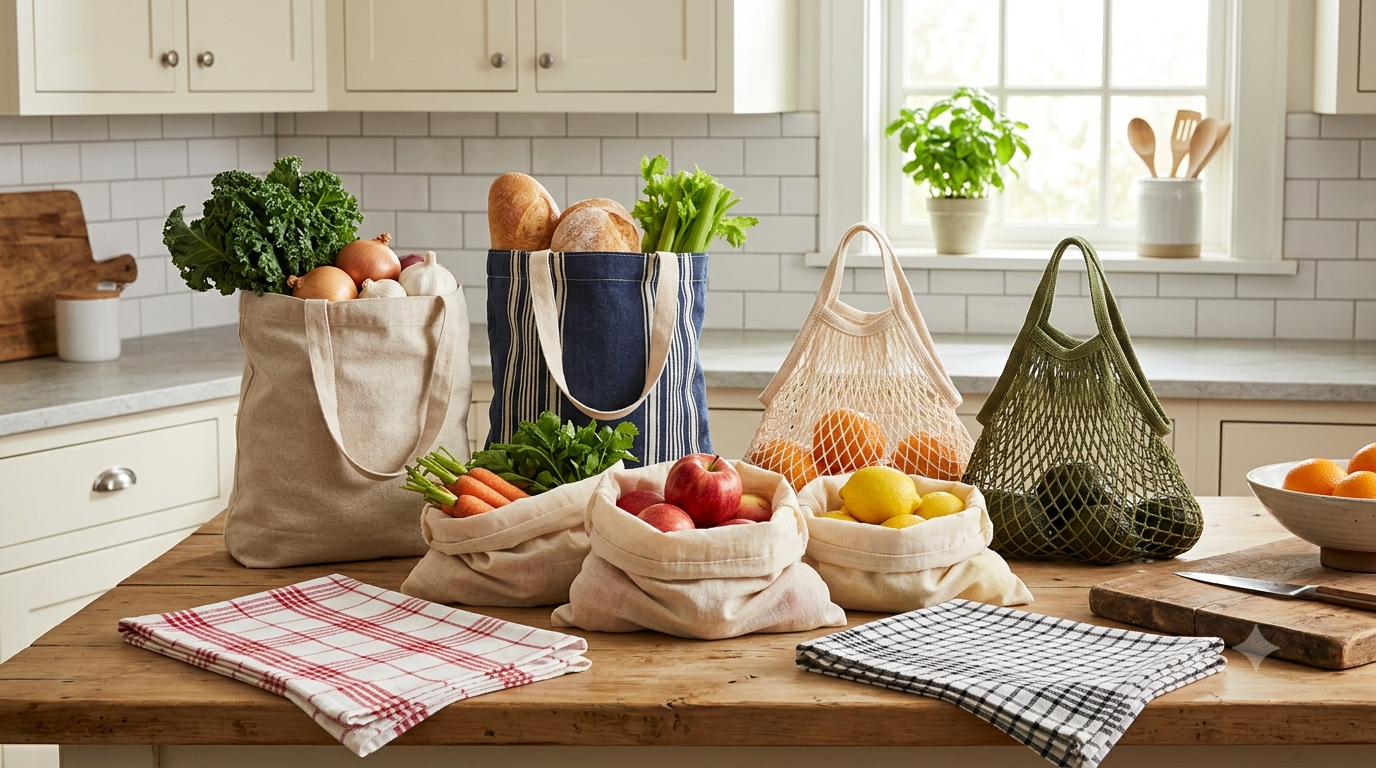
From decorative kitchen textiles to washable shopping bags, fabric products can combine functionality, durability, and attractive design. Checkered Towels, Stylish Reusable Grocery Bags, Reusable Muslin Produce Bags, and Cotton String Bags are useful options for households looking to bring reusable materials into their everyday lives.
With the right selection of products and a few thoughtful habits, it is possible to create a home that feels more organized while supporting a more sustainable lifestyle.
1. Make Everyday Kitchen Tasks Easier With Checkered Towels
Kitchen towels are among the most frequently used textiles in a household. They help dry dishes, wipe countertops, handle everyday kitchen spills, and keep cooking spaces tidy. Choosing reusable towels made from suitable fabrics can make these routine tasks more convenient.
Checkered Towels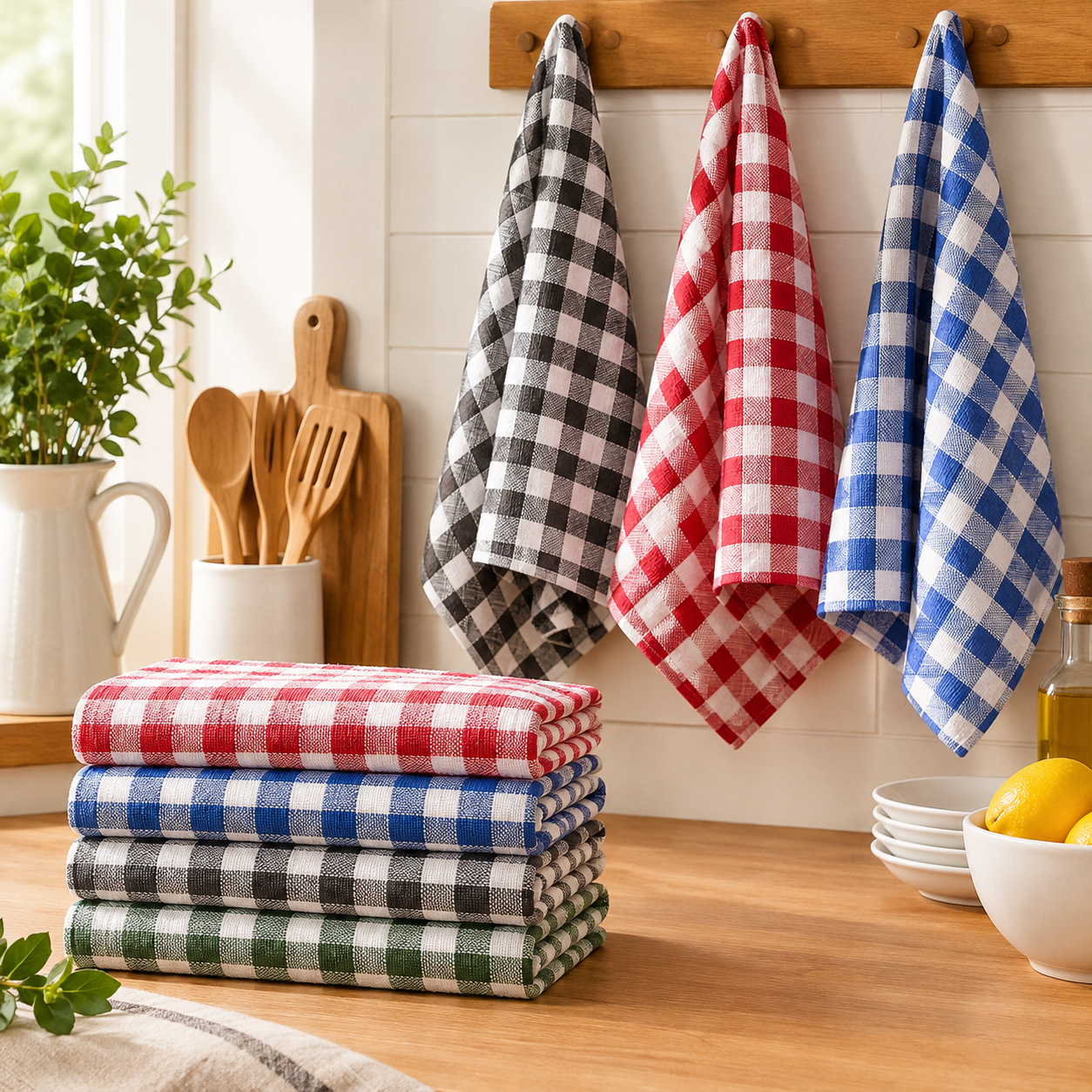 are particularly appealing because their classic patterns complement a variety of kitchen styles. Whether a kitchen features farmhouse décor, a modern minimalist design, or traditional wooden cabinets, checkered patterns can add a familiar and welcoming touch.
When choosing kitchen towels, consider the following factors:
-
Absorbency: Look for materials that can absorb moisture effectively during daily kitchen tasks.
-
Durability: Choose towels designed to withstand regular washing and repeated use.
-
Size: Larger towels can be useful for drying dishes, while smaller ones are convenient for quick spills.
-
Appearance: Select colors and patterns that coordinate with your kitchen's existing décor.
To maintain your towels, wash them regularly according to their care instructions and allow them to dry completely between uses. Keeping a small collection available makes it easier to replace a used towel with a clean one whenever necessary.
2. Simplify Grocery Shopping With Stylish Reusable Grocery Bags
Shopping bags are practical accessories that can help make grocery trips more organized. Instead of relying on disposable bags for every shopping trip, households can keep reusable alternatives near the front door, in the car, or inside a handbag.
Stylish Reusable Grocery Bags offer a combination of convenience and appearance. They are available in different shapes, colors, and sizes, making it easier to find options that suit different shopping needs.
For example, a larger fabric bag can carry packaged groceries, while a smaller bag can hold a few items purchased during a quick visit to the market. Choosing bags with comfortable handles and a suitable carrying capacity can make transporting groceries easier.
Here are some practical ways to use reusable shopping bags:
-
Keep several bags together in a designated storage area.
-
Carry a compact bag when running errands.
-
Use separate bags for produce, pantry items, and household supplies.
-
Check the bags for stains or damage after shopping.
-
Wash or clean them according to the manufacturer's care instructions.
Building a habit of carrying reusable bags takes only a little planning. Placing them beside your keys or adding a reminder to your shopping list can help ensure they are ready when needed.
3. Keep Fresh Produce Organized With Reusable Muslin Produce Bags
Fresh fruits and vegetables often need to be separated during shopping, transportation, and storage. Lightweight fabric bags provide a convenient way to group produce while keeping shopping baskets and refrigerator drawers more organized.
Reusable Muslin Produce Bags are a useful option for carrying items such as apples, oranges, lemons, carrots, and other vegetables. Muslin is a lightweight woven cotton fabric that is often chosen for its simple construction and natural appearance.
These bags can help organize different types of produce during a shopping trip. For instance, one bag can hold apples, another can carry carrots, and a third can be reserved for lemons or other small items. This makes it easier to unpack groceries and sort ingredients at home.
Before choosing muslin produce bags, consider their dimensions, fabric construction, and cleaning requirements. A lightweight bag may be suitable for smaller fruits, while a larger or sturdier design may be preferable for heavier vegetables.
For better everyday use:
-
Choose bag sizes that match the produce you typically purchase.
-
Avoid overfilling bags with heavy items.
-
Check care instructions before washing.
-
Let the bags dry completely before storing them.
-
Follow appropriate storage guidance for each type of fruit or vegetable.
It is also important to remember that reusable produce bags do not replace proper food storage. Some produce benefits from refrigeration, while other items should be stored in cool, dry conditions. Clean bags and suitable storage practices help support better kitchen organization.
4. Choose Cotton String Bags for Flexible Everyday Use
A reusable bag does not have to be limited to grocery shopping. Lightweight fabric bags can also be helpful for carrying personal belongings, organizing small household items, or transporting everyday essentials.
Cotton String Bags are valued for their lightweight construction and flexible design. Depending on their size and weave, they can be useful for carrying a few groceries, books, accessories, or items needed for a short outing.
Their flexible structure also makes many styles easy to fold and store when they are not in use. Keeping one in a backpack, handbag, or vehicle can be helpful when an unexpected shopping opportunity arises.
When selecting cotton string bags, pay attention to the handle length, weave, dimensions, and recommended load capacity. A bag designed for lightweight items may not be suitable for heavy groceries, so it is best to use each bag according to its intended purpose.
Cotton string bags can also help create a consistent approach to reusable shopping. Instead of keeping different disposable bags for separate occasions, a household can maintain a small collection of washable fabric bags for common errands.
5. Create a Coordinated and Organized Kitchen
Reusable products are most useful when they fit naturally into a household's daily routine. Coordinating kitchen textiles and shopping bags can make storage more attractive while helping family members find the items they need.
For example, checkered towels can be folded neatly beside the kitchen sink, while reusable grocery bags can be stored in a basket near the pantry. Muslin produce bags can be kept together in a drawer, and cotton string bags can be folded into a small container near the entrance.
A few simple organization ideas can make a difference:
Create a dedicated storage space: Use a drawer, shelf, or basket to keep reusable fabric products in one convenient location.
Group items by purpose: Store kitchen towels separately from shopping and produce bags to make them easier to find.
Keep clean and used textiles apart: Use a separate laundry basket or washable container for items that need cleaning.
Choose complementary colors: Coordinating fabric patterns and neutral shades can help the kitchen feel visually consistent without requiring a complete redesign.
Review your collection regularly: Remove damaged items from everyday use and replace products only when necessary.
An organized storage system encourages people to use reusable products consistently instead of reaching for disposable alternatives out of convenience.
6. Care for Reusable Fabric Products Properly
The useful life of a fabric product depends partly on how it is maintained. Regular cleaning, suitable storage, and following care instructions can help reusable products remain functional for longer.
Kitchen towels should be washed frequently, particularly after they have been used to wipe spills or handle food-related messes. Grocery bags should also be cleaned periodically, especially when they carry fresh produce, meat packaging, or items that may leave residue.
Muslin and cotton products may have different washing requirements depending on their weave, color, stitching, and construction. Always check the product label before washing, and separate items when needed to prevent color transfer.
A few additional care habits can help:
-
Do not store damp fabric products in closed containers.
-
Allow bags and towels to dry thoroughly after washing.
-
Avoid exceeding recommended washing temperatures.
-
Inspect handles, seams, and stitching for wear.
-
Store clean products in a dry, well-ventilated area.
Good maintenance is important for both convenience and hygiene. Reusable products should be cleaned appropriately rather than used repeatedly without washing.
7. Make Sustainability a Practical Everyday Habit
A more sustainable household is often built through consistent, manageable decisions rather than dramatic changes. Replacing frequently used disposable items with reusable alternatives can be one practical step, provided the products are used regularly and cared for properly.
Reusable fabric products also offer flexibility. Kitchen towels can support daily cleaning routines, grocery bags can accompany regular shopping trips, and produce bags can help organize fresh ingredients. Because each product serves a different purpose, choosing the right combination helps prevent unnecessary purchases.
It is worth considering the full life cycle of any reusable item, including the materials used to make it, how frequently it will be used, how it is cleaned, and how long it lasts. A reusable product offers the greatest practical value when it replaces disposable alternatives over many uses rather than being purchased and rarely used.
Start with the items your household needs most. Keep them accessible, maintain them carefully, and gradually build routines that make reusable choices easier.
Conclusion
Creating a more organized and thoughtful home begins with everyday essentials that are practical, attractive, and easy to maintain. Checkered Towels bring classic style to kitchen routines, Stylish Reusable Grocery Bags make shopping more convenient, Reusable Muslin Produce Bags help organize fresh ingredients, and Cotton String Bags provide flexible carrying options for everyday activities.
When selecting reusable fabric products, prioritize suitable materials, reliable construction, convenient storage, and proper care. These simple considerations can help households get more value from the items they use regularly.
For people exploring practical fabric solutions for their kitchens and daily routines, All Cotton and Linen offers a place to discover home textile and reusable fabric essentials that combine everyday functionality with timeless style. By choosing useful products and incorporating them into consistent habits, households can work toward a more organized home and a more mindful approach to daily consumption.

 Arabic
 French
 Spanish
 Portuguese
 Deutsch
 Turkish
 Dutch
Dutch
 Italiano
 Russian
 Romaian
 Portuguese (Brazil)
 Greek
Greek
