
Does Root Canal Treatment Help Relieve Tooth Pain?
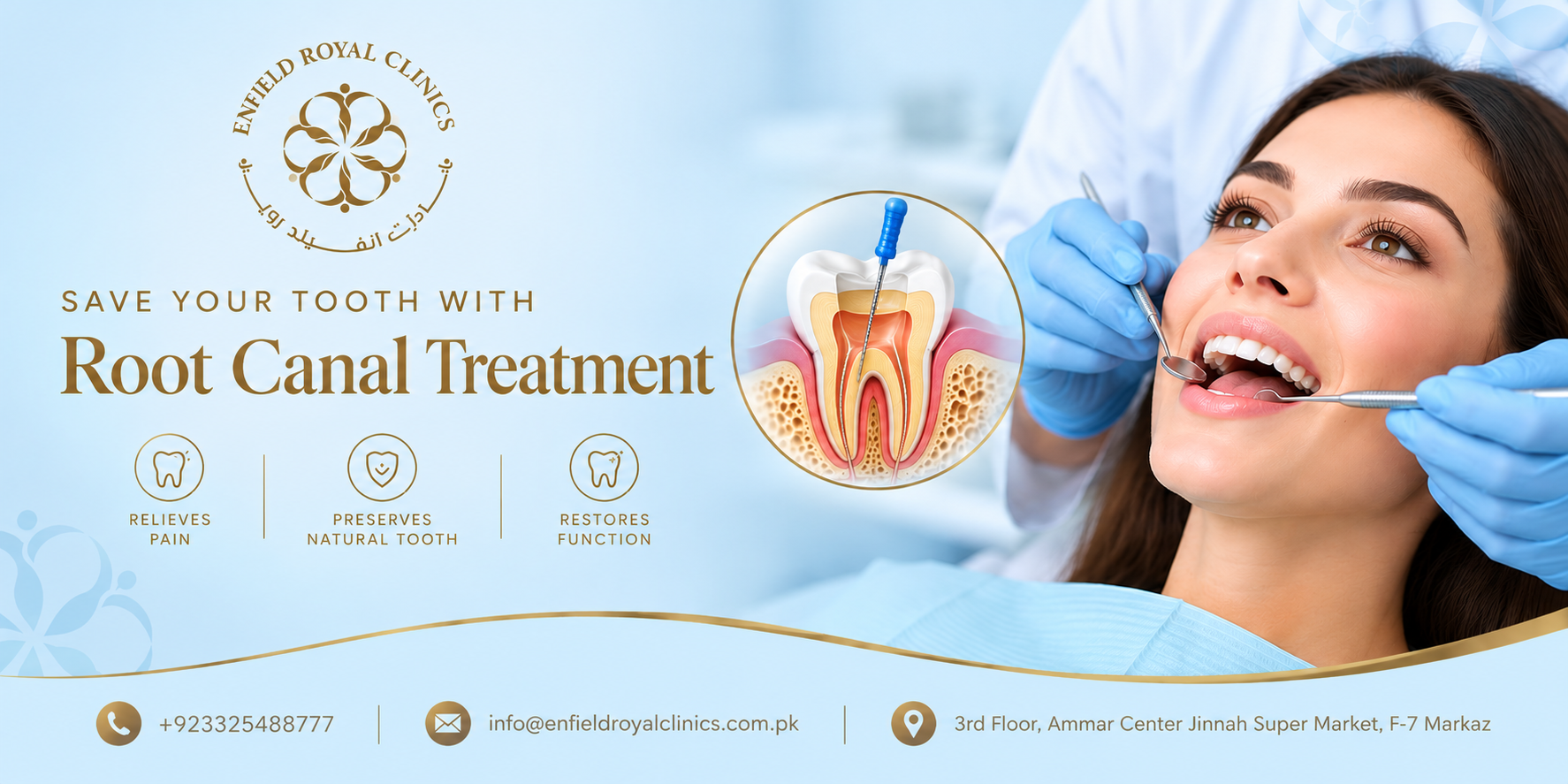
Tooth pain can make daily activities such as eating, drinking, speaking, and sleeping uncomfortable. When discomfort becomes persistent or worsens over time, it may indicate a problem inside the tooth that needs professional attention. Root Canal Treatment in Islamabad can help relieve pain caused by infected or irreversibly inflamed pulp while preserving the natural tooth.
The pulp is the soft tissue inside a tooth that contains nerves and blood vessels. Deep cavities, cracks, dental injuries, and repeated dental procedures can damage this tissue. When the pulp becomes infected or severely inflamed, the pain may continue until the underlying problem receives appropriate treatment.
Root canal treatment addresses the source of the problem by removing damaged tissue, cleaning the root canals, and sealing the tooth. Understanding the symptoms, treatment process, benefits, and recovery can help patients make informed decisions about their dental health.
How Does Root Canal Treatment Relieve Tooth Pain?
Root canal treatment helps relieve tooth pain by removing infected or irreversibly inflamed tissue from inside the tooth. When bacteria enter the pulp through deep decay or a crack, inflammation can develop within the enclosed space. This may cause pressure, sensitivity, and persistent discomfort.
The dentist first examines the affected tooth to identify the source of the pain. If root canal treatment is appropriate, local anesthesia is used to numb the area before a small opening is made in the tooth.
The damaged pulp is carefully removed, and the root canals are cleaned and disinfected. The canals are then filled with a suitable dental material and sealed to reduce the risk of bacterial contamination. A filling or dental crown may be needed to restore the tooth and protect it from further damage.
Removing the source of inflammation or infection can significantly reduce the pain associated with pulp damage. However, some tenderness may remain temporarily because the tissues surrounding the root may also be inflamed.
Root Canal Treatment in Islamabad may be suitable for patients with persistent toothache when an examination confirms that the pulp is damaged and the tooth can be restored.
What Symptoms Suggest That Root Canal Treatment May Be Needed?
Tooth pain can develop for several reasons, including cavities, gum disease, cracks, and sensitivity. Certain symptoms may indicate that the problem involves the pulp and requires further investigation.
-
Persistent toothache: Pain that continues for an extended period or repeatedly returns may indicate inflammation or infection inside the tooth.
-
Prolonged temperature sensitivity: A tooth that remains painful after exposure to hot or cold foods and drinks may have significant pulp inflammation.
-
Pain when chewing: Discomfort during biting can occur when the tissues around the tooth's root become inflamed.
-
Swollen or tender gums: Swelling or a small pimple-like bump near a tooth may indicate an infection or dental abscess.
-
Tooth discoloration: A tooth that becomes darker after an injury may have experienced internal damage.
-
Deep tooth decay: A large cavity can allow bacteria to reach the pulp, increasing the likelihood of infection.
These symptoms do not automatically mean a root canal is necessary. For example, mild sensitivity may result from exposed dentin or gum recession, while pain during chewing may be associated with a cracked tooth.
A dental examination, appropriate tests, and sometimes X-rays help determine the cause of the discomfort and identify the most suitable treatment.
Can Root Canal Treatment Provide Long-Lasting Pain Relief?
Root canal treatment can provide lasting relief when the pain originates from infected or irreversibly inflamed pulp and the procedure successfully treats the problem. By removing the affected tissue and sealing the canals, the treatment addresses the source of the discomfort rather than simply masking the symptoms.
However, the outcome depends on several factors, including the extent of the original infection, the condition of the tooth, and the quality of the final restoration. Some patients experience temporary soreness after the procedure, particularly when the tissues surrounding the root were already inflamed.
A treated tooth can also develop new problems later. Bacteria may enter through a damaged filling or crown, or the tooth may develop new decay or a fracture. These issues can cause discomfort and require further assessment.
Long-term relief is more likely when the tooth receives an appropriate permanent restoration and the patient maintains good oral hygiene.
If pain continues or worsens after treatment, the patient should contact the dentist. Persistent discomfort may indicate that the tooth needs additional evaluation. Severe swelling, fever, or difficulty swallowing requires urgent medical or dental attention because an infection may be spreading.
What Happens During Root Canal Treatment for Tooth Pain?
Understanding the procedure can help patients feel more prepared and less anxious. The exact treatment plan depends on the tooth's location, root structure, and the severity of the infection.
1. Dental examination: The dentist reviews the patient's symptoms, examines the affected tooth, and may take X-rays to assess the roots and surrounding bone.
2. Local anesthesia: The affected area is numbed to help control discomfort during treatment.
3. Access to the pulp: A small opening is made in the tooth to reach the pulp chamber and root canals.
4. Removal of damaged tissue: The infected or inflamed pulp is removed, and the canals are cleaned and shaped.
5. Cleaning and sealing: The canals are disinfected, filled with a suitable material, and sealed to help prevent reinfection.
6. Final restoration: A filling or crown restores the tooth and helps protect it from further damage. A crown may be particularly important when a substantial amount of tooth structure has been lost.
Some cases can be completed in one appointment, while others require multiple visits. The number of visits depends on the complexity of the case and the dentist's treatment plan.
Is Root Canal Treatment Painful, and What Is Recovery Like?
Many patients worry that root canal treatment itself will cause severe pain. Modern dental techniques and local anesthesia help control discomfort during the procedure. In many cases, treatment relieves the pain caused by the original infection.
After the appointment, mild soreness or tenderness may occur for several days. This can happen because the tissues surrounding the root need time to settle after treatment. The level of discomfort varies depending on the severity of the original infection and individual sensitivity.
During recovery, patients can follow several practical steps:
-
Choose softer foods if the tooth feels tender.
-
Avoid chewing hard foods on the treated tooth until it has been adequately restored.
-
Brush gently with fluoride toothpaste and continue cleaning between the teeth.
-
Follow the dentist's instructions regarding medication and aftercare.
-
Attend follow-up appointments to complete the restoration.
-
Contact the dentist if symptoms worsen or swelling develops.
Pain should generally improve rather than become progressively worse. If the discomfort does not improve as expected, further assessment may be necessary.
How Can Patients Prevent Tooth Pain After Root Canal Treatment?
Root canal treatment addresses the original problem, but the treated tooth still requires regular care. The remaining tooth structure can develop new decay or fracture, particularly if the tooth is weakened or its permanent restoration is delayed.
Patients can protect their teeth by maintaining a consistent oral hygiene routine. Brushing twice daily with fluoride toothpaste and cleaning between the teeth helps reduce plaque buildup and the risk of new cavities.
Regular dental checkups also allow problems to be identified before they become more serious. Patients should arrange the recommended filling or crown promptly because a temporary restoration may not provide the same level of protection as the final restoration.
Other helpful habits include avoiding chewing ice or hard objects, limiting frequent sugary snacks, and seeking advice if teeth grinding places excessive pressure on the teeth.
Patients considering Root Canal Treatment in Islamabad should understand that successful treatment involves more than removing the infected pulp. Proper cleaning, sealing, restoration, and ongoing oral care all contribute to long-term results.
For more information visit Enfield royal clinic in islamabad
Frequently Asked Questions
1. How quickly does root canal treatment relieve tooth pain?
Many patients experience improvement soon after treatment, although tenderness may continue for several days. Recovery depends on the severity of the infection and the condition of the surrounding tissues.
2. Can tooth pain return after root canal treatment?
Yes. Pain can return if the tooth develops new decay, a crack, reinfection, or another dental problem. Persistent or worsening symptoms should be assessed by a dental professional.
3. Is root canal treatment better than tooth extraction for pain relief?
Both treatments can address problems involving a severely damaged tooth. Root canal treatment aims to preserve the natural tooth, while extraction removes it. The most appropriate option depends on whether the tooth can be restored successfully.
4. Can a tooth infection go away without root canal treatment?
An infection involving irreversibly damaged or dead pulp generally requires professional dental treatment. Depending on the diagnosis, treatment may involve a root canal or extraction. Antibiotics alone usually cannot eliminate the source of an infection inside the tooth.

 English
 Arabic
 French
 Spanish
 Portuguese
 Deutsch
 Turkish
 Italiano
 Russian
 Romaian
 Portuguese (Brazil)
 Greek
Greek
