
How Mole Removal Treatment Can Enhance Your Natural Appearance
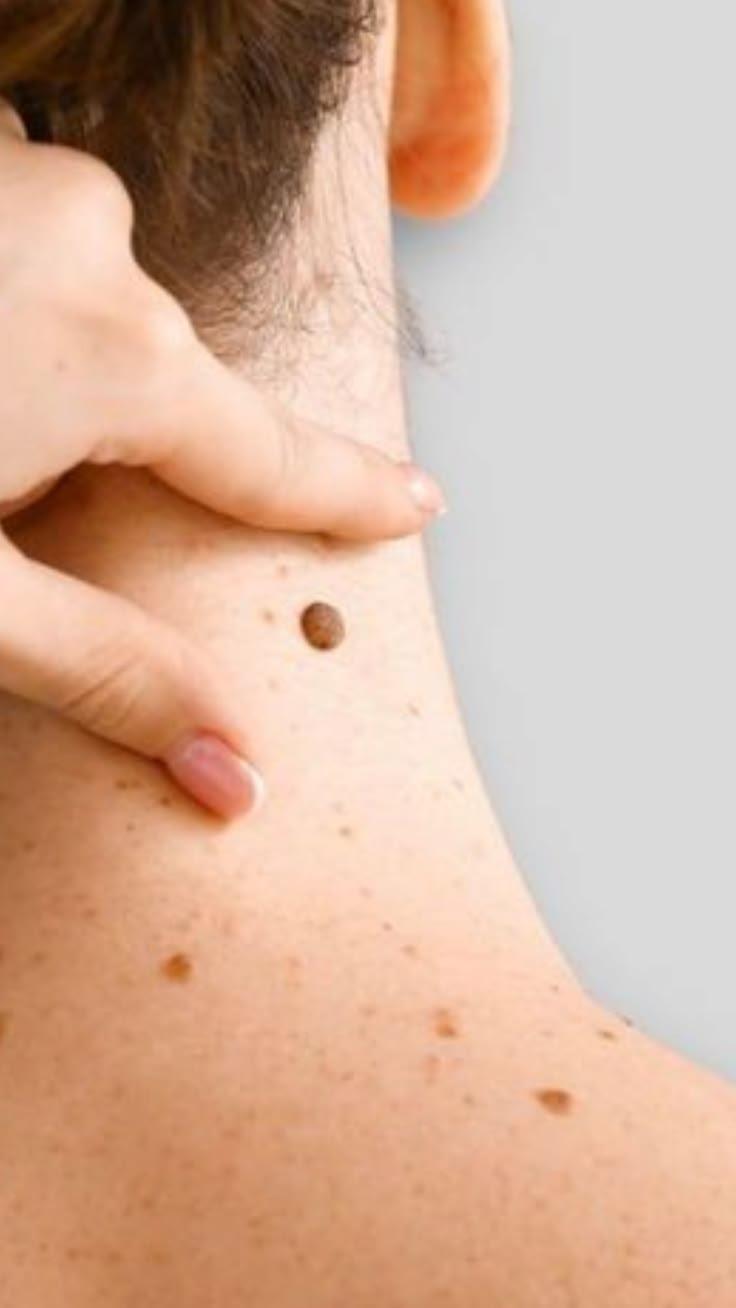
Moles are common skin growths that can develop on the face, neck, arms, back, and other parts of the body. Although most moles are harmless, some people feel that prominent or raised moles affect their overall appearance. Others experience irritation when moles rub against clothing or come into contact with shaving tools. Modern dermatological care offers different options for evaluating and removing selected moles according to individual needs.
Mole removal treatment in Islamabad can help people explore professional solutions for unwanted moles while prioritizing skin health and natural-looking results. Understanding the treatment process, available techniques, and aftercare requirements can help individuals make informed decisions about their appearance.
Understanding Mole Removal Treatment
Mole removal treatment involves removing a mole from the skin through a suitable medical procedure. Moles usually develop when pigment-producing cells called melanocytes grow in clusters. They can vary in color, shape, size, and texture. Some are flat, while others appear raised or develop hair.
People consider mole removal for several reasons, including cosmetic preferences, repeated irritation, or medical concerns. Before recommending a procedure, a qualified dermatologist or appropriately trained medical professional examines the mole to determine whether removal is suitable.
A proper assessment is particularly important because certain skin growths may resemble ordinary moles but require further investigation. Treatment should always begin with an accurate evaluation rather than an assumption that every mole is harmless.
How Mole Removal Can Enhance Natural Appearance
Creating a More Balanced Facial Appearance
A prominent mole on the nose, cheek, forehead, or chin may attract attention to one area of the face. If the mole is benign and suitable for removal, treatment may help create a more balanced overall appearance.
The aim is not to change a person's natural features but to address a specific concern in a way that respects their existing facial characteristics.
Supporting Smoother-Looking Skin
Raised moles can create noticeable differences in skin texture. Depending on the mole's characteristics and the removal method, treatment may reduce the prominence of the growth and create a smoother-looking surface.
However, the final appearance depends on the healing process. Some procedures leave a small scar or a change in pigmentation, so completely mark-free skin cannot be guaranteed.
Improving Personal Confidence
Visible moles may make some individuals feel self-conscious in photographs, social situations, or professional settings. Choosing to address a cosmetic concern may help them feel more comfortable with their appearance.
Confidence is personal, and mole removal is an individual choice. A consultation can help determine whether treatment is appropriate and whether the expected benefits align with the patient's goals.
Different Mole Removal Techniques
The best treatment depends on the mole's size, depth, location, appearance, and medical assessment.
Surgical Excision
Surgical excision involves removing the mole and, when indicated, a small amount of surrounding tissue. The wound may require stitches. This method is often appropriate when complete removal or laboratory examination is necessary.
Shave Removal
Shave removal may be suitable for certain raised moles. A clinician uses a surgical blade to remove the growth at or near the skin's surface. This technique is not appropriate for every type of mole, and recurrence or scarring may occur.
Laser Treatment
Laser treatment may be considered for selected pigmented lesions after professional assessment. It should not be used to cosmetically remove a suspicious mole without appropriate investigation. When a mole could be cancerous, the clinician may recommend biopsy or surgical removal so the tissue can be examined.
A qualified provider should explain the advantages, limitations, risks, and likely cosmetic outcomes of each suitable technique.
Who Can Consider Mole Removal?
Individuals who are concerned about a mole's appearance or experience repeated irritation may benefit from a medical consultation. The provider will consider the mole's characteristics, personal medical history, skin type, and healing factors before recommending treatment.
Certain warning signs require particular attention. These include changes in size, shape, or color; irregular borders; multiple colors; persistent itching; bleeding; or a mole that looks noticeably different from others.
If these changes occur, seek prompt medical evaluation. Cosmetic treatment should never replace the assessment of a potentially suspicious skin lesion.
What Happens During a Mole Removal Consultation?
The process begins with an examination of the mole and a discussion of the patient's expectations. The clinician may use a dermatoscope, a handheld instrument that helps examine skin structures more closely.
If the mole appears suitable for removal, the provider explains the recommended method, anesthesia, possible complications, recovery period, and expected results. A biopsy or laboratory analysis may be necessary when there is a medical reason to investigate the lesion.
Many minor procedures use local anesthesia to reduce discomfort. The treatment area is cleaned, and the selected removal technique is performed according to the clinical plan.
Recovery and Aftercare for Better Results
Aftercare plays an important role in protecting the treated area and supporting healing. Instructions vary depending on whether the procedure involved stitches, a superficial wound, or another technique.
Patients should keep the area clean, follow dressing instructions, and use recommended products as directed. Avoid scratching, picking scabs, or exposing the healing skin to unnecessary friction.
Once the clinician advises that it is appropriate, sun protection can help reduce the risk of noticeable pigmentation changes. Attend follow-up appointments, and ask whether laboratory results are expected.
Increasing pain, spreading redness, pus, fever, or persistent bleeding should be reported to a healthcare professional.
Choosing Professional Mole Removal Treatment in Islamabad
When exploring Mole removal treatment in Islamabad, select a qualified dermatologist or appropriately trained medical professional who prioritizes diagnosis, hygiene, and patient safety.
Ask about the provider's qualifications, experience with the recommended procedure, possible scarring, treatment costs, and follow-up care. A trustworthy consultation should include realistic expectations rather than promises of perfect or scar-free skin.
The most appropriate treatment is one that addresses the patient's concerns while protecting their health. Individualized care can help patients understand their options and make confident decisions.
Conclusion
Mole removal may help improve the appearance of selected benign skin growths and reduce irritation caused by their location. The results depend on the mole, the technique used, and the body's healing response. Professional assessment is essential to identify lesions that require further investigation before cosmetic removal.
By choosing an appropriate procedure and following aftercare instructions, individuals can work toward their aesthetic goals while keeping skin health a priority.
Frequently Asked Questions
1. Can mole removal enhance my natural appearance?
Yes. Removing a suitable benign mole may make the skin appear more uniform and reduce the prominence of a particular feature. Results vary, and a scar may remain.
2. Is mole removal suitable for every type of mole?
No. Some moles require monitoring, biopsy, or a specific surgical approach. A qualified medical professional should assess the mole before recommending treatment.
3. How long does it take to recover after mole removal?
Recovery depends on the removal technique, the size and location of the mole, and individual healing. Follow your clinician's instructions and attend any recommended follow-up appointments.
4. Where can I learn more about mole removal treatment in Islamabad?
You can arrange a consultation with a qualified dermatologist or appropriately trained medical professional to discuss suitable procedures, safety considerations, expected results, and aftercare for Mole removal treatment in Islamabad.
For more information visit Enfield royal clinic in islamabad

 English
 French
 Spanish
 Portuguese
 Deutsch
 Turkish
 Dutch
Dutch
 Italiano
 Russian
 Romaian
 Portuguese (Brazil)
 Greek
Greek
