
Caring for Pressure Sores With Professional Wound Dressing at Home
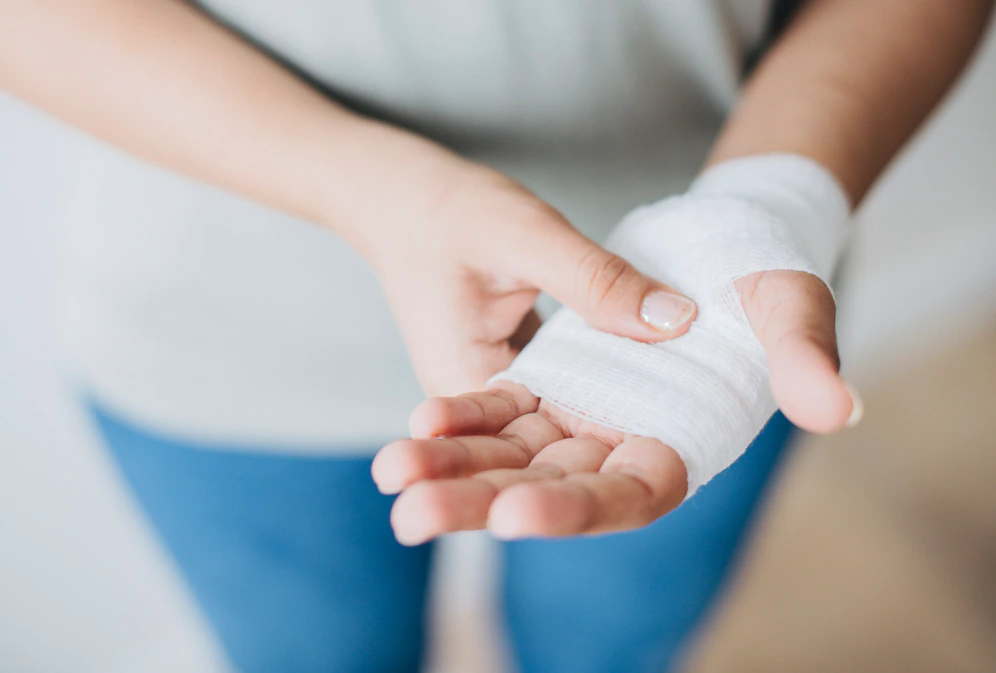
Pressure sores, also known as pressure ulcers or bedsores, are skin injuries that develop when prolonged pressure reduces blood flow to specific areas of the body. They commonly affect individuals who spend extended periods in bed or use a wheelchair. With professional Wound Dressing at Home in Dubai, patients can receive appropriate wound care, regular assessments, and personalised support without the discomfort of frequent hospital visits. A qualified Doctor at Home can assess the wound, identify potential complications, and recommend a suitable treatment plan to support healing and improve patient comfort.
Understanding Pressure Sores and Their Causes:
Pressure sores develop when continuous pressure or friction damages the skin and underlying tissues. They are particularly common among older adults, individuals recovering from surgery, and patients with limited mobility. Without timely care, these wounds may become deeper and more difficult to manage.
Common causes and risk factors include:
- Prolonged pressure: Remaining in the same position for extended periods can restrict blood circulation.
- Friction and shearing: Sliding across beds or chairs can damage delicate skin.
- Moisture: Excessive sweating, wound drainage, or incontinence can weaken the skin.
- Poor nutrition: Inadequate protein, vitamins, and calories may delay wound healing.
- Reduced sensation: Certain medical conditions can prevent patients from noticing discomfort or early skin damage.
Recognising these risk factors helps caregivers take preventive measures and seek professional treatment before the wound worsens.
Recognising the Different Stages of Pressure Sores:
Pressure sores range from mild skin changes to severe tissue damage. Understanding their appearance helps caregivers recognise when professional assessment is necessary.
The main stages include:
- Stage 1: The skin remains intact but shows persistent redness or discolouration that does not fade with pressure. The area may feel warmer, firmer, or more tender than surrounding skin.
- Stage 2: The skin develops a shallow open wound or blister, with partial loss of its outer layers.
- Stage 3: The wound extends through the full thickness of the skin, potentially exposing underlying fatty tissue.
- Stage 4: The wound involves extensive tissue damage and may expose muscles, tendons, or bones.
Some pressure injuries are deeper than they initially appear, and wounds covered by slough or dark tissue may be difficult to stage accurately. A healthcare professional should assess these wounds rather than relying solely on their appearance.
Benefits of Professional Wound Dressing at Home:
Receiving wound care at home offers a convenient alternative for patients who find travelling difficult. Professional treatment also supports continuity of care and allows healthcare providers to understand the patient's daily environment.
The benefits include:
- Personalised treatment: Wound care professionals assess the wound's size, depth, drainage, and surrounding skin before selecting appropriate dressings.
- Improved comfort: Home visits reduce the physical strain associated with travelling to a healthcare facility.
- Infection prevention: Appropriate cleaning, dressing changes, and hygiene practices help reduce contamination risks.
- Ongoing monitoring: Regular assessments help identify delayed healing, skin deterioration, and other complications.
- Caregiver education: Family members can learn safe repositioning techniques, skin inspection, and basic wound care practices.
Choosing Wound Dressing at Home in Dubai can make pressure sore management more manageable for patients and families while ensuring that treatment decisions remain guided by clinical assessment.
Essential Steps in Professional Pressure Sore Dressing:
Effective wound dressing involves more than covering an open wound. The treatment must protect damaged tissue, maintain an appropriate healing environment, and address the pressure responsible for the injury.
A professional dressing procedure may include:
- Initial assessment: The healthcare provider examines the wound, checks for signs of infection, and evaluates the patient's medical history and mobility.
- Gentle wound cleaning: The wound is cleaned using an appropriate solution, often sterile saline, according to clinical requirements.
- Suitable dressing selection: Depending on the wound, the provider may use foam, hydrocolloid, alginate, or other specialised dressings.
- Protection of surrounding skin: Barrier products may be recommended to prevent moisture-related skin damage.
- Secure dressing application: The dressing is applied carefully to protect the wound without causing unnecessary pressure or trauma.
- Documentation and follow-up: Wound measurements, drainage, skin condition, and treatment progress are recorded to guide subsequent care.
Dressing choice and replacement frequency depend on the wound's condition, drainage, and the manufacturer's instructions. Some wounds may also require specialist assessment, debridement, or additional treatment.
Preventing Infection During Wound Care:
Pressure sores can become infected when bacteria enter damaged tissue. Maintaining clean dressing practices and recognising warning signs are essential for protecting patient health.
Important infection prevention measures include:
- Washing hands before and after wound care.
- Using clean supplies and following appropriate aseptic techniques.
- Avoiding unnecessary contact with the wound surface.
- Changing dressings according to professional instructions.
- Keeping the surrounding skin clean and dry.
- Monitoring for increasing redness, swelling, warmth, pain, or unusual discharge.
Seek prompt medical assessment if the wound develops pus, worsening pain, spreading redness, or an unpleasant odour accompanied by other concerning changes. Fever, confusion, rapidly spreading skin changes, or severe illness require urgent medical attention. Patients with diabetes, poor circulation, or weakened immunity may need particularly close monitoring.
Preventing Pressure Sores Through Daily Care:
Preventing additional pressure injuries is just as important as treating existing wounds. Even high-quality dressings cannot heal pressure sores effectively if constant pressure continues to damage the affected area.
Caregivers can support prevention by following these practices:
- Reposition regularly: Follow an individualised repositioning schedule recommended by a healthcare professional.
- Use pressure-relieving equipment: Specialised mattresses, cushions, and heel protectors can help distribute body weight.
- Inspect the skin daily: Pay particular attention to the heels, hips, tailbone, ankles, elbows, and other pressure points.
- Maintain good nutrition: Provide balanced meals with adequate protein, energy, vitamins, and fluids, taking medical dietary restrictions into account.
- Manage moisture: Clean and dry the skin gently after sweating or episodes of incontinence.
- Encourage safe movement: Assist with appropriate mobility and exercises when recommended by the patient's healthcare team.
Patients should avoid massaging reddened pressure areas, as this may cause further tissue damage.
When to Seek Professional Medical Assistance:
Home wound care is appropriate for many patients, but certain pressure sores require more specialised treatment. Early medical assessment can help prevent complications and establish the correct treatment approach.
Contact a healthcare professional when:
- A wound is new, deep, or rapidly increasing in size.
- There is persistent or increasing pain.
- The wound develops significant drainage or signs of infection.
- Healing does not progress despite appropriate care.
- The patient has diabetes, circulation problems, or a compromised immune system.
Severe pressure injuries may require multidisciplinary care involving doctors, wound care nurses, nutrition professionals, and surgical specialists. Antibiotics are generally reserved for diagnosed or strongly suspected infections requiring them, rather than being used routinely for every pressure sore.
Final Thoughts:
Caring for pressure sores requires consistent wound assessment, appropriate dressing selection, pressure relief, and careful monitoring. Professional wound care at home can help patients receive personalised treatment in a familiar and comfortable environment while reducing the burden on family caregivers. Combining suitable dressings with regular repositioning, good nutrition, and infection prevention creates a stronger foundation for recovery.
For families seeking Wound Dressing at Home in Dubai, choosing a qualified healthcare provider can support safe treatment and timely medical intervention when complications arise. With the right care plan and ongoing professional guidance, patients can experience improved comfort, better wound management, and a reduced risk of further pressure injuries.

 Arabic
 French
 Spanish
 Portuguese
 Deutsch
 Turkish
 Dutch
Dutch
 Italiano
 Russian
 Romaian
 Portuguese (Brazil)
 Greek
Greek
