
How Gynecomastia Surgery Can Improve Chest Contours
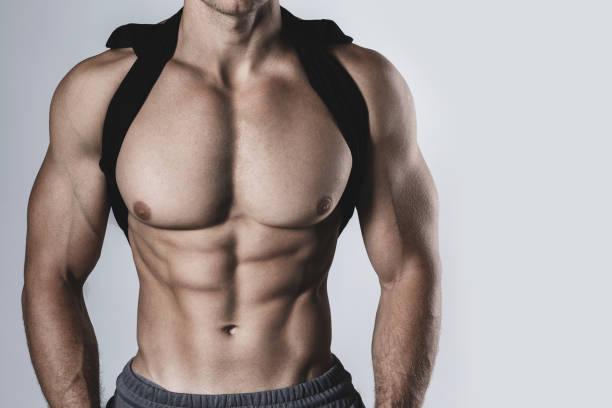
An enlarged male chest can affect body proportions, clothing choices, and personal confidence. Gynecomastia occurs when glandular breast tissue develops in men, sometimes alongside excess fat that creates a fuller or uneven chest appearance. For men experiencing persistent enlargement, treatment may help create a flatter and more defined chest profile. gynecomastia surgery in riyadh is a treatment option for eligible patients who want to address excess breast tissue through an individualized surgical approach. Understanding how the procedure works, what improvements may be possible, and how recovery affects the final appearance can help patients make informed decisions.
Understanding Gynecomastia and Chest Shape
Gynecomastia can develop at different stages of life and may affect one or both sides of the chest. Hormonal changes, certain medications, underlying medical conditions, and other factors can contribute to its development. In some men, the main concern is firm glandular tissue beneath the nipple, while others have excess fat or a combination of both.
How Enlarged Breast Tissue Affects Chest Contours
Excess tissue may create a rounded appearance, noticeable fullness around the nipples, or an uneven chest profile. Some men also experience loose skin, asymmetry, or tenderness. The degree of change varies from person to person, so treatment planning should begin with a medical assessment to identify the tissue responsible for the enlargement.
Why Individual Assessment Matters
A surgeon evaluates the chest, skin elasticity, body composition, medical history, and personal goals before recommending treatment. This assessment helps distinguish glandular gynecomastia from chest fullness caused mainly by fat. If enlargement develops suddenly or is accompanied by a lump, nipple discharge, or skin changes, medical evaluation is important before considering cosmetic surgery.
How Gynecomastia Surgery Improves Chest Contours
Male breast reduction aims to reduce excess tissue and create a chest shape that looks more balanced with the rest of the body. The exact technique depends on the patient's anatomy and the amount of fat, glandular tissue, and loose skin present.
Removing Excess Glandular Tissue
Firm glandular tissue may not respond to exercise or weight loss. When it contributes significantly to breast enlargement, surgical excision may be recommended. The surgeon removes targeted tissue through carefully planned incisions, which are often placed around the edge of the areola when appropriate.
Reducing excess glandular tissue can help flatten the area beneath the nipples and improve the overall chest profile. The incision location and resulting scar depend on the technique required for the individual case.
Reducing Excess Fat With Liposuction
When fatty tissue contributes to chest fullness, liposuction may be used to remove selected fat deposits through small incisions. This can help refine the chest outline and improve the transition between the chest and surrounding areas.
Liposuction does not remove firm glandular tissue effectively in every case. For this reason, some patients need a combination of liposuction and surgical excision to achieve an appropriate contour.
Addressing Loose Skin
Men with significant skin laxity may need additional skin removal to achieve a smoother appearance. This can be more relevant after substantial weight loss or when the skin has limited elasticity. Skin-removal procedures may involve more visible scars, so the potential benefits and limitations should be discussed before surgery.
Patients considering Gynecomastia Surgery in Riyadh should ask their surgeon which techniques are suitable for their anatomy and what type of contour improvement is realistically achievable.
Who May Benefit From Chest Contouring?
Gynecomastia surgery may be appropriate for men with persistent breast enlargement that causes physical discomfort or emotional distress. Candidates are generally in good overall health, have reasonably stable body weight, and understand that surgery improves contour rather than guaranteeing perfect symmetry.
Men whose chest fullness is mainly related to excess body fat may benefit from discussing weight management and other options with a healthcare professional. When an underlying medical condition or medication contributes to breast enlargement, that factor may need to be addressed first.
A consultation is also an opportunity to discuss personal goals, including a flatter chest, reduced nipple prominence, or better balance between the chest and torso. Results vary with individual anatomy, healing, and the amount of tissue removed.
What to Expect During Recovery
Recovery plays an important role in how the chest looks and feels after surgery. Swelling and bruising are common during the early healing period and can temporarily obscure the results.
The Initial Healing Period
Patients receive instructions about wound care, medication, compression garments, and activity restrictions. A compression garment may be recommended to support the healing tissues and help manage swelling. Patients should follow the surgeon's directions regarding when to wear it and how to care for incisions.
Light walking may be encouraged, but strenuous exercise, heavy lifting, and chest-focused workouts should be avoided until the surgeon confirms that these activities are safe.
When Will Results Become Noticeable?
Some changes in chest shape may be visible soon after surgery, but swelling can take time to settle. The contour gradually becomes clearer as healing progresses, and scar appearance may continue to improve over several months. The timeline differs between patients, depending on the surgical technique and individual healing response.
Following postoperative instructions and attending follow-up appointments allows the clinical team to monitor recovery and address concerns. Contact the surgeon if swelling suddenly increases, pain worsens significantly, or signs of infection develop.
Maintaining a More Defined Chest Appearance
Once recovery is complete, maintaining a stable weight and following healthy lifestyle habits can help preserve the overall body contour. Regular physical activity can support general fitness and strengthen the chest muscles, although exercise cannot remove glandular tissue responsible for true gynecomastia.
Patients should also discuss new breast enlargement with a healthcare professional, as hormonal changes, medications, or other health factors may affect chest appearance over time.
As with any surgery, possible risks include bleeding, infection, fluid accumulation, scarring, changes in nipple sensation, asymmetry, and contour irregularities. A qualified surgeon should explain these risks and discuss how they apply to each patient before treatment.
Book a Consultation at Royal Clinic Saudia
Improving chest contours begins with understanding the cause of enlargement and choosing an appropriate treatment plan. Royal Clinic Saudia offers patients the opportunity to discuss their concerns, explore suitable surgical options, and learn about preparation and aftercare. If you are considering Gynecomastia Surgery in Riyadh, arrange a consultation with a qualified surgeon to discuss your goals, expected results, and the approach that best fits your individual needs.

 English
 Arabic
 French
 Portuguese
 Deutsch
 Turkish
 Dutch
Dutch
 Italiano
 Russian
 Romaian
 Portuguese (Brazil)
 Greek
Greek
