
Top 5 Factors to Evaluate Before Choosing a Tummy Tuck Clinic in Islamabad
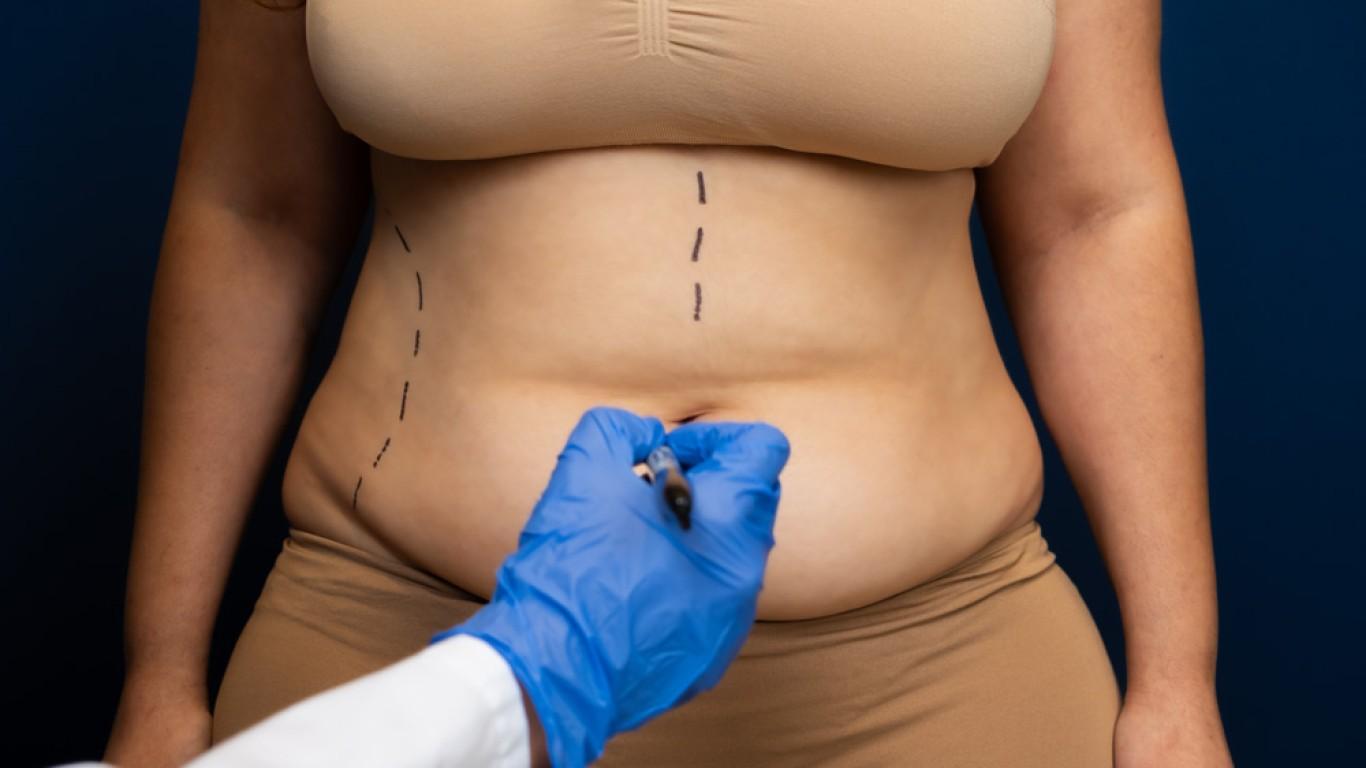
A Tummy Tuck in Islamabad, medically known as abdominoplasty, is a cosmetic surgical procedure designed to remove excess abdominal skin and, when appropriate, tighten weakened abdominal muscles. It may be considered by individuals who experience loose skin after pregnancy, significant weight loss, or age-related changes. Choosing the right clinic is an important step because the quality of the surgical assessment, treatment planning, safety measures, and postoperative support can influence both recovery and results.
When comparing options for a tummy tuck clinic in Islamabad, patients should look beyond promotional offers and attractive before-and-after photographs. A reliable decision requires careful research, clear communication, and an understanding of the procedure's potential benefits and limitations.
Evaluating the following five factors can help patients make a more informed decision before proceeding with abdominoplasty.
Surgeon Qualifications and Relevant Experience
The first factor to evaluate is the qualifications and experience of the surgeon who will perform the tummy tuck. Abdominoplasty involves removing excess tissue and may include repairing separated abdominal muscles. It requires appropriate surgical training, anatomical knowledge, and the ability to assess individual risks.
Patients should verify the surgeon's credentials and confirm that their training and professional registration are appropriate for the procedure.
Consider the following points before selecting a surgeon:
-
Professional qualifications: Check relevant postgraduate surgical training and registration with the appropriate medical authority.
-
Experience with abdominoplasty: Ask about experience performing tummy tuck procedures and managing potential complications.
-
Surgical approach: Understand whether the recommended procedure is a full tummy tuck, mini tummy tuck, or another suitable technique.
-
Realistic expectations: A qualified surgeon should explain achievable outcomes rather than promise perfection.
Experience matters, but it should not be judged by years of practice alone. The quality of the consultation, the suitability of the recommended procedure, and the surgeon's approach to patient safety are also important considerations.
Clinic Safety Standards and Surgical Facilities
The second factor is the clinic's safety standards and the facilities where surgery will take place. A tummy tuck is a major surgical procedure, so patients should confirm that the operation will be performed in an appropriately equipped, authorized surgical facility with suitable anesthesia and emergency support.
During the assessment, ask about the arrangements for anesthesia, infection prevention, monitoring, and postoperative observation. Patients should also understand whether hospital admission may be required based on the planned procedure and their medical condition.
Important safety considerations include:
-
Appropriate surgical and anesthesia facilities.
-
Qualified professionals responsible for anesthesia and patient monitoring.
-
Sterilization and infection-control protocols.
-
Emergency equipment and arrangements for managing complications.
-
Clear instructions for postoperative monitoring and urgent medical assistance.
Patients should disclose their medical history, allergies, smoking or nicotine use, current medications, and previous surgeries. These details can help the surgical team assess potential risks and determine whether additional evaluation is necessary.
A trustworthy clinic should welcome questions about safety rather than dismissing concerns. The decision should be based on verified standards and suitable medical care, not simply on the appearance of the clinic or its marketing claims.
Consultation Quality and Personalized Treatment Planning
The third factor is the quality of the initial consultation. Every patient has a different abdominal shape, skin condition, medical history, and aesthetic goal. Therefore, a suitable tummy tuck plan should be based on an individual assessment rather than a standard package offered to everyone.
During the consultation, the surgeon should assess abdominal skin laxity, the amount and distribution of excess tissue, possible muscle separation, previous surgical scars, and overall health. They should also discuss whether abdominoplasty is appropriate or whether another approach may better meet the patient's needs.
A comprehensive consultation should cover:
-
The expected benefits and limitations of the procedure.
-
The proposed surgical technique and reasons for recommending it.
-
Possible risks, including bleeding, infection, blood clots, scarring, and wound-healing problems.
-
Expected recovery time and temporary restrictions on daily activities.
-
Whether further medical assessment or changes in health habits are needed before surgery.
Patients should have enough time to ask questions and understand the information provided. They should never feel pressured to book surgery immediately.
A personalized treatment plan also considers future pregnancy plans and weight stability. Significant weight changes or pregnancy after surgery may affect the results, so these factors should be discussed before making a decision.
Before-and-After Results and Patient Feedback
The fourth factor is the clinic's approach to demonstrating previous results and collecting patient feedback. Before-and-after photographs can help patients understand the types of changes that may be possible, but they should be interpreted carefully.
When reviewing photographs, look for cases involving similar concerns, such as excess lower-abdominal skin, loose skin after weight loss, or abdominal changes following pregnancy. Ask whether the photographs represent comparable procedures and how long after surgery the images were taken.
Patients should also consider the following:
-
Consistency of results: Review a range of cases rather than relying on one impressive example.
-
Honest expectations: Results vary according to anatomy, healing, surgical technique, and individual health factors.
-
Patient experiences: Read feedback about consultation quality, communication, recovery guidance, and follow-up support.
-
Transparency: Ask whether photographs are authentic and shared with appropriate patient consent.
Online reviews can provide useful context, but they do not independently establish a surgeon's competence or guarantee future outcomes. Patients should consider multiple sources of information and discuss any concerns directly with the clinic.
It is equally important to understand that a tummy tuck usually leaves a permanent scar, although its appearance can change during healing. A responsible provider should explain this limitation instead of suggesting that surgery will produce flawless skin.
Postoperative Care, Follow-Up, and Overall Value
The fifth factor is the availability of postoperative care. Tummy tuck surgery requires recovery time, and patients may need help with mobility, wound care, medication management, and activity restrictions during the initial healing period.
Before choosing a clinic, ask how follow-up appointments are arranged, whom to contact outside routine appointments, and what support is available if a concern develops after surgery.
A suitable aftercare plan should explain:
-
How to care for the incision and surgical dressings.
-
Whether compression garments or drains may be needed.
-
When walking, driving, exercise, and work can usually be resumed.
-
How follow-up visits will monitor healing and identify complications.
-
Which symptoms require urgent medical attention.
Patients should also compare the total expected cost rather than focusing exclusively on the advertised surgical fee. The overall estimate may include the surgeon's fee, anesthesia, facility charges, medications, follow-up visits, and other necessary expenses.
When exploring options, SKN Cosmetics in Islamabad is one clinic patients may consider researching as part of their comparison. Prospective patients should arrange a consultation to understand the proposed treatment, verify the qualifications of the professional responsible for surgery, ask about the operating facility, and clarify the available aftercare arrangements. Comparing these details with other suitable providers can help patients make a decision based on their individual needs and safety priorities.
Making an Informed Decision About Tummy Tuck Surgery
Choosing a tummy tuck clinic in Islamabad involves more than comparing prices or looking for the most dramatic cosmetic results. Surgeon qualifications, surgical safety, personalized consultation, transparent evidence of previous results, and reliable postoperative care are essential factors to evaluate.
Patients should also understand that abdominoplasty is not a weight-loss procedure. It is generally intended to address excess abdominal skin and may involve muscle repair in suitable candidates. Maintaining a relatively stable weight and following medical advice can help support recovery and longer-term results.
Before proceeding, take time to compare clinics, ask questions, review consent information, and understand the risks and recovery requirements. A well-informed decision allows patients to approach tummy tuck surgery with realistic expectations and a clearer understanding of what safe, patient-focused care should involve.
Frequently Asked Questions
1. How do I choose a tummy tuck clinic in Islamabad?
Evaluate surgeon qualifications, surgical facilities, consultation quality, patient feedback, and postoperative care.
2. Who is a suitable candidate for a tummy tuck?
People with excess abdominal skin or suitable abdominal muscle concerns may qualify after a medical assessment.
3. Is tummy tuck surgery a weight-loss treatment?
No. It is primarily intended to remove excess skin and may tighten abdominal muscles.
4. How long does tummy tuck recovery take?
Initial recovery often takes several weeks, while complete healing may take longer depending on the procedure and individual circumstances.
5. What should I ask during a tummy tuck consultation?
Ask about the surgeon's qualifications, surgical risks, facility standards, total costs, expected results, and follow-up care.

 English
 Arabic
 French
 Spanish
 Portuguese
 Deutsch
 Dutch
Dutch
 Italiano
 Russian
 Romaian
 Portuguese (Brazil)
 Greek
Greek
