
Best Liposuction Cost in Riyadh: What You Should Know
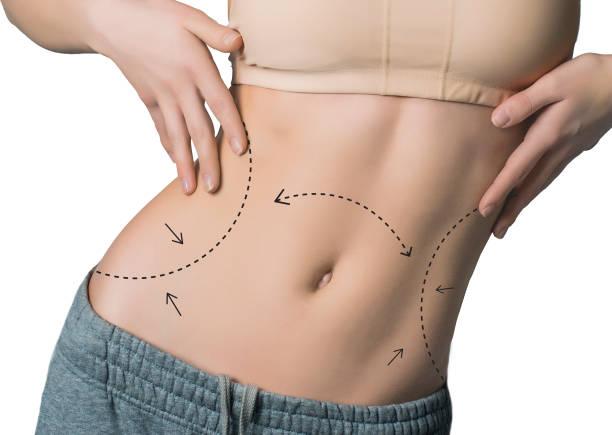
Liposuction is a popular cosmetic surgical procedure for people who want to improve their body contours by removing stubborn fat deposits. It can target areas such as the abdomen, waist, thighs, hips, upper arms, and back when diet and exercise have not achieved the desired shape. Before choosing a provider, it is important to understand the procedure, available techniques, safety considerations, and factors that influence treatment planning. Exploring liposuction in riyadh helps patients learn how to evaluate clinics, understand their options, and make informed decisions based on individual needs and realistic expectations.
Choosing liposuction involves more than selecting a treatment area or comparing providers. Your health, skin elasticity, body composition, surgical goals, and recovery requirements all influence the recommended approach. Patients researching Best Liposuction in Riyadh should also consider the surgeon's qualifications, the clinic's safety standards, and the availability of postoperative support. A professional consultation provides an opportunity to discuss the treatment plan, understand the expected results, and clarify the financial and medical details before making a decision.
What Is Liposuction?
Liposuction is a surgical procedure that removes selected fat deposits through small incisions using a narrow tube called a cannula. The surgeon carefully removes fat to improve body proportions and create smoother contours. Common treatment areas include the abdomen, waist, hips, thighs, upper arms, back, and chin. Liposuction is intended for body contouring rather than major weight loss, and it does not remove visceral fat surrounding internal organs. Results depend on individual anatomy, skin elasticity, the treatment area, and the surgical technique.
What Influences Liposuction Treatment Planning?
Several factors influence the recommended procedure and the overall treatment plan. Understanding these considerations helps patients prepare for a consultation and ask relevant questions.
Treatment Area and Complexity
Treating one small area may require a different surgical approach from treating several areas during the same procedure. The size and location of the fat deposits, as well as the complexity of the treatment, influence surgical planning.
Liposuction Technique
Traditional, tumescent, ultrasound-assisted, and laser-assisted liposuction use different methods to help remove fat. The most appropriate option depends on the patient's anatomy, treatment goals, and the surgeon's expertise. Newer technology does not automatically mean better results for every patient.
Anesthesia and Medical Requirements
The procedure may involve local anesthesia, sedation, or general anesthesia, depending on the treatment plan. Preoperative assessments, medical monitoring, and the resources required for safe surgery should be discussed with the surgical team.
Aftercare and Follow-Up
Postoperative care may include compression garments, wound-care instructions, follow-up visits, and guidance on returning to normal activities. Understanding what aftercare is included helps patients prepare for the complete treatment journey.
How to Evaluate Liposuction Clinics in Riyadh
When researching Best Liposuction in Riyadh, prioritize medical qualifications and patient safety rather than promotional claims alone. Check the surgeon's specialist credentials, professional registration, and experience with the treatment areas you want to address. Ask whether the facility is appropriately licensed and equipped for the procedure. A reliable clinic should provide a detailed consultation, explain possible complications, and offer a clear plan for postoperative care. These factors help you assess the quality and suitability of the services being offered.
Understanding the Financial Aspects of Liposuction
Before proceeding, ask the clinic for a clear explanation of the financial arrangements associated with your treatment plan. Confirm what is included, such as the surgeon's services, anesthesia, facility charges, medical assessments, postoperative appointments, and compression garments, where applicable. Ask whether additional follow-up or treatment may involve separate charges. Request written information so you can understand the proposed arrangements before making a commitment. Clear communication helps prevent misunderstandings and allows you to evaluate the overall service more effectively.
Different Liposuction Techniques to Consider
Understanding the main techniques can help you discuss your options with a qualified surgeon.
Traditional Liposuction
Traditional liposuction uses a cannula to loosen and remove localized fat through small incisions. It is an established method for contouring several body areas.
Tumescent Liposuction
This technique involves injecting a solution containing fluid and local anesthetic into the treatment area before fat removal. It helps reduce bleeding and supports procedural comfort.
Ultrasound-Assisted Liposuction
Ultrasound-assisted liposuction uses ultrasonic energy to help loosen fat before removal. It may be suitable for selected cases, depending on the patient's needs and the surgeon's assessment.
Laser-Assisted Liposuction
Laser-assisted liposuction uses laser energy to affect fat tissue before removal. Some approaches may influence tissue tightening, but results vary, and significant loose skin may require another procedure.
Who Is a Suitable Candidate for Liposuction?
Liposuction may be appropriate for adults who are generally healthy, maintain a relatively stable weight, and have localized fat deposits that persist despite healthy lifestyle habits. Good skin elasticity may help the skin adapt to the body's new contours after fat removal. However, the procedure is not a substitute for weight management and may not address significant loose skin. A qualified surgeon should review your medical history, medications, expectations, and treatment goals before recommending surgery.
Risks and Recovery Considerations
Liposuction carries potential risks, including infection, bleeding, fluid accumulation, contour irregularities, changes in sensation, and anesthesia-related complications. Recovery may involve swelling, bruising, tenderness, and temporary fluid drainage. Follow your surgeon's instructions regarding compression garments, wound care, medication, and activity restrictions. Initial recovery often takes a few weeks, while swelling may take several months to settle. Ask about the expected recovery timeline and whom to contact if you experience worsening pain, fever, spreading redness, or unusual wound discharge.
How to Make an Informed Decision
When comparing Best Liposuction in Riyadh, consider the surgeon's qualifications, recommended technique, facility standards, aftercare arrangements, and clarity of the treatment plan. Ask questions about expected results, possible complications, recovery, and the financial details before proceeding. Avoid choosing a provider based solely on advertising or promises of guaranteed results. A responsible clinic should explain both the benefits and limitations of liposuction and allow you time to make a voluntary, informed decision.
Book Your Consultation at Royal Clinic Saudia
If you are considering liposuction, contact Royal Clinic Saudia to inquire about consultation availability and the cosmetic services offered. A qualified medical professional can assess your body-contouring goals, discuss suitable treatment options, and explain the procedure, potential risks, recovery requirements, and financial arrangements. Arrange a consultation to receive personalized guidance before making your decision.
FAQs:
What factors influence liposuction treatment planning?
Treatment areas, technique, anesthesia, medical needs, and aftercare all matter.
Is liposuction suitable for weight loss?
No. It is designed to remove localized fat and improve body contours.
How long does liposuction recovery take?
Initial recovery often takes a few weeks, while swelling may last several months.
How do I choose a liposuction clinic in Riyadh?
Check surgeon credentials, facility standards, treatment transparency, and aftercare support.

 English
 Arabic
 French
 Spanish
 Portuguese
 Deutsch
 Turkish
 Italiano
 Russian
 Romaian
 Portuguese (Brazil)
 Greek
Greek
