
Sebaceous Cyst Removal for Cosmetic Reasons: Is It Worth It?
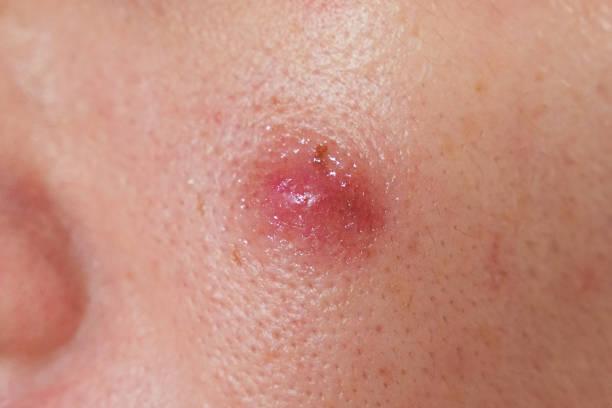
Large sebaceous cysts can become uncomfortable, noticeable, and difficult to manage, especially when they develop on the back, neck, scalp, or face. Although most skin cysts are benign, larger lumps may cause pressure, interfere with everyday activities, or become inflamed over time. Understanding sebaceous cyst removal helps patients explore suitable treatment options, learn when professional intervention may be necessary, and understand how a larger cyst can be treated safely. A medical assessment is important because the size, depth, location, and condition of the cyst all influence the recommended treatment approach.
Many people with large cysts wonder whether they can be removed in a single procedure or whether additional treatment will be needed. The answer depends on whether the cyst is uncomplicated, infected, or firmly attached to surrounding tissue. Learning about Sebaceous Cyst Removal in Riyadh also helps patients understand why attempting to squeeze or drain a large cyst at home can increase the risk of infection, inflammation, and scarring. A qualified healthcare professional can examine the lump and explain the benefits, limitations, and recovery expectations associated with each treatment option.
What Is a Large Sebaceous Cyst?
A sebaceous cyst is a commonly used term for certain skin cysts, particularly epidermoid and pilar cysts. These lumps develop beneath the skin and usually contain keratin, a protein found in skin cells. Some cysts remain small for years, while others gradually grow and become more noticeable. Larger cysts may cause pressure, tenderness, or irritation from clothing and movement. Although size alone does not necessarily indicate a serious condition, a growing or unusual lump should be examined by a healthcare professional.
Why Do Large Sebaceous Cysts Develop?
Cysts may form when skin cells become trapped beneath the surface or when a hair follicle is affected. They can gradually enlarge as material accumulates within the cyst sac. Some grow slowly without causing symptoms, while others become irritated or inflamed. Repeated squeezing or attempts at home drainage can worsen inflammation and may introduce bacteria. Because not every lump is a cyst, professional assessment is important before selecting a treatment.
When Does a Large Cyst Need Medical Treatment?
Not every large cyst requires immediate removal, but certain symptoms indicate that medical evaluation is important.
Increasing Size
A cyst that continues to grow should be assessed to confirm its nature and determine whether treatment is appropriate. Larger lumps may require a more carefully planned removal technique.
Pain and Discomfort
A large cyst may create pressure when sitting, lying down, wearing clothing, or moving. Persistent discomfort can be a reason to discuss treatment with a healthcare professional.
Redness and Inflammation
Redness, warmth, swelling, and tenderness may indicate inflammation or infection. If symptoms worsen or redness spreads, seek prompt medical advice.
Repeated Rupture or Discharge
A cyst that repeatedly releases material or becomes inflamed may benefit from professional treatment. Avoid squeezing the lump, as this can increase irritation and complications.
Treatment Options for Large Sebaceous Cysts
The most appropriate treatment depends on the cyst's size, location, depth, and whether infection or inflammation is present. A healthcare professional can recommend an approach based on these factors.
Surgical Excision
Surgical excision is often considered for large cysts when complete removal is appropriate. The clinician makes an incision and carefully separates the cyst from surrounding tissue, aiming to remove the entire sac. This generally reduces the risk of recurrence compared with drainage alone. Larger cysts may require a longer incision and stitches, depending on their size and location.
Incision and Drainage
If a large cyst develops an abscess or becomes severely inflamed, a clinician may recommend drainage to relieve pressure and discomfort. This procedure removes accumulated fluid or pus but usually does not remove the entire cyst sac. Complete excision may be considered after the inflammation settles.
Treatment Before Complete Removal
When a cyst is severely inflamed or infected, immediate complete excision may be more difficult. The clinician may first treat the acute problem and then reassess the cyst for definitive removal. The treatment plan depends on the examination findings and the patient's overall health.
What Happens During Large Cyst Removal?
The procedure begins with a consultation, examination, and review of medical history. The clinician explains the recommended technique and prepares the treatment area. Local anesthesia is commonly used for minor skin cyst removal. An incision is then made to access the cyst, which is carefully separated from surrounding tissue and removed when appropriate. The wound may require stitches and a dressing, particularly when the cyst is large. Patients receive instructions on wound care, activity restrictions, and follow-up appointments before leaving.
Is Removing a Large Sebaceous Cyst Painful?
Local anesthesia usually helps minimize pain during cyst removal. Patients may feel a brief sting during the anesthetic injection or pressure while the cyst is being removed. Because larger cysts may require a longer incision, some procedures can be more involved than removing small lumps. Mild soreness, swelling, or tenderness may occur afterward. Following the clinician's instructions and using recommended pain relief can help manage temporary discomfort.
Recovery After Large Sebaceous Cyst Removal
Recovery depends on the cyst's size, the location of the wound, the removal technique, and individual healing factors. Larger incisions may take longer to heal than smaller wounds, and stitches may need to be removed during a follow-up appointment.
Keep the Wound Clean
Follow the clinician's instructions for cleaning the area and changing dressings. Avoid applying unapproved products or home remedies to the incision.
Avoid Pressure and Strenuous Activity
Protect the wound from friction and avoid activities that stretch or place pressure on the incision until your clinician advises that they are safe.
Watch for Warning Signs
Increasing pain, spreading redness, worsening swelling, thick discharge, or fever may indicate a complication. Seek medical advice promptly if these symptoms develop.
Can a Large Sebaceous Cyst Return After Removal?
Yes, recurrence is possible, particularly if part of the cyst sac remains after treatment. Complete surgical excision generally reduces the likelihood of recurrence compared with drainage alone, although it cannot guarantee that the cyst will never return. A new lump near the treated area should be examined rather than squeezed or punctured at home.
Choosing Professional Cyst Care in Riyadh
When considering Sebaceous Cyst Removal in Riyadh, choose a qualified healthcare provider who can assess large cysts, explain suitable treatment techniques, and discuss possible scarring, recurrence, and recovery. Ask whether complete removal is appropriate and whether inflammation needs to be treated first. A personalized assessment helps ensure that treatment reflects the cyst's size, location, condition, and your individual health needs.
Book Your Appointment at Royal Clinic Saudia
If you have a large, growing, or uncomfortable skin lump, contact Royal Clinic Saudia to inquire about consultation availability. A healthcare professional can examine the affected area, discuss appropriate treatment options, and explain what to expect during removal and recovery. If the lump is accompanied by fever or rapidly spreading redness, seek urgent medical attention instead of waiting for a routine appointment.
FAQs:
Can a large sebaceous cyst be removed completely?
Yes, complete surgical excision may remove the cyst and its sac when appropriate.
Does a large cyst require stitches after removal?
Stitches are often needed, depending on the incision's size and location.
Should an infected large cyst be removed immediately?
The infection may need treatment or drainage before complete removal is considered.
How long does recovery take after large cyst removal?
Recovery varies, and larger wounds may take several weeks or longer to heal.

 English
 Arabic
 French
 Spanish
 Portuguese
 Deutsch
 Turkish
 Dutch
Dutch
 Italiano
 Romaian
 Portuguese (Brazil)
 Greek
Greek
