
A Practical Guide to Heavy-Duty Wastewater Pump Selection
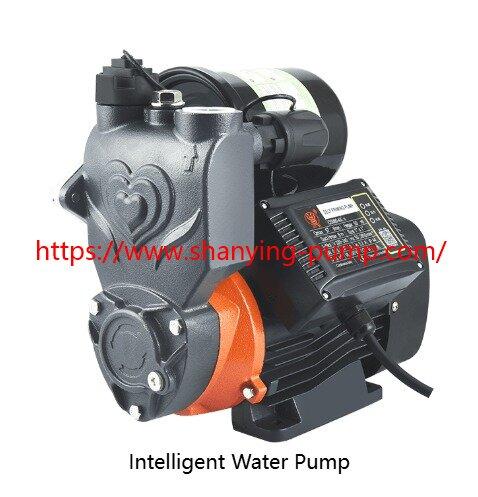
Wastewater handling becomes more challenging when liquids contain suspended solids, fibrous debris, sludge, or other materials that can interfere with ordinary pumping equipment. When evaluating a Heavy Duty Sewage Pump, buyers should focus on how the pump responds to these working conditions, how its materials withstand prolonged exposure, and how easily it can be maintained. Equipment suitability depends on the actual wastewater composition and the demands of the drainage system. Understanding these factors helps contractors, facility managers, and industrial operators select equipment that fits the application rather than relying on general descriptions of durability.
Material selection influences how a pump performs in demanding environments. The casing, impeller, shaft, seals, and other components encounter different mechanical and environmental stresses during operation. Corrosion resistance is important when wastewater contains substances that may attack exposed surfaces, while wear resistance matters when abrasive particles move through the pump. Stainless steel can be suitable for certain corrosive environments, but the correct material depends on the liquid's composition and the specific grade used. Buyers should provide details about the wastewater, including its chemical characteristics and solid content, so the manufacturer can evaluate the suitability of the proposed construction.
Hydraulic design is equally important because sewage is rarely as predictable as clean water. Suspended particles and fibrous materials may collect around an intake or become trapped in internal passages. Impeller design and the shape of the flow channel influence how wastewater moves through the pump and how readily solids can pass. Some applications may require a non-clogging design, while others may benefit from a cutting mechanism for suitable fibrous or soft waste. These options are not interchangeable in every situation. Buyers should explain the type of debris present and ask the supplier to recommend a design appropriate to the actual waste stream.
Selecting the right pump also requires an understanding of the surrounding system. A unit serving a municipal collection pit may face different demands from one used for factory drainage, construction-site dewatering, or wastewater transfer within a treatment facility. The distance to the discharge point, changes in elevation, pipe resistance, and the frequency of incoming wastewater all influence the operating requirements. Installation conditions matter as well. Submersible equipment may be suitable for pits and tanks, while other layouts may call for a different pump arrangement. Reviewing these conditions before purchasing helps prevent problems caused by mismatched equipment or an unsuitable installation plan.
Protection and control features can support more dependable operation. Wastewater systems may experience changing liquid levels, unexpected debris, and periods of increased demand. Appropriate motor protection and monitoring arrangements can help operators identify abnormal conditions and respond before minor issues become more disruptive. Automatic controls may also help coordinate pump operation with the level of liquid in a collection area. However, the usefulness of any feature depends on the working environment and system design. Buyers should discuss expected operating patterns, possible blockage risks, and the consequences of interruption with the manufacturer rather than selecting features without considering their practical purpose.
Maintenance planning should begin before the pump is installed. Even a well-selected unit needs regular inspection, cleaning, and attention to wear-prone components. Operators should understand how the pump can be removed from its installation, how the intake and flow passages can be inspected, and what procedures are recommended for clearing a blockage. Accessible service points and clear maintenance instructions can reduce unnecessary effort during routine work. It is also useful to establish how replacement parts are identified and where technical support can be obtained. In facilities that depend on continuous drainage, a realistic maintenance plan forms an important part of overall equipment management.
The physical design affects how comfortably technicians can work with the pump. Handling points, cable routing, outlet connections, and the arrangement of serviceable components should suit the installation environment. In a restricted pit or tank, access for lifting and inspection may be just as important as the pump's external appearance. A practical layout can help technicians carry out routine tasks without interfering unnecessarily with surrounding equipment. Buyers should therefore assess installation drawings, connection arrangements, and maintenance access before finalizing their choice. Considering these details early can help make commissioning and future servicing more organized.
Taizhou Shanying Pump Co., Ltd. develops and manufactures pump products, including WQ series submersible sewage pumps for wastewater-related applications. Its website describes the company's research and development, production, testing, and quality management activities. When discussing a demanding drainage project, buyers can provide information about the wastewater composition, solids present, installation location, discharge route, and expected operating conditions. This allows the equipment discussion to focus on application suitability and relevant product options. The company's technical and service capabilities may also be useful subjects to clarify when planning installation, routine maintenance, and long-term equipment support.
For wastewater projects, pump selection is closely connected to the conditions found at the site, from debris characteristics and liquid chemistry to available maintenance access. Buyers who document these requirements can compare proposed equipment more effectively and communicate their needs clearly to suppliers. Taizhou Shanying Pump Co., Ltd. offers pump products for drainage and wastewater handling, providing a starting point for discussions about project requirements and product suitability. To review the company's product range and learn more about its services, visit https://www.shanying-pump.com/.

 English
 Arabic
 French
 Spanish
 Portuguese
 Deutsch
 Turkish
 Dutch
Dutch
 Italiano
 Russian
 Portuguese (Brazil)
 Greek
Greek
