
Can Rhinoplasty Correct a Bulbous Nose Tip?
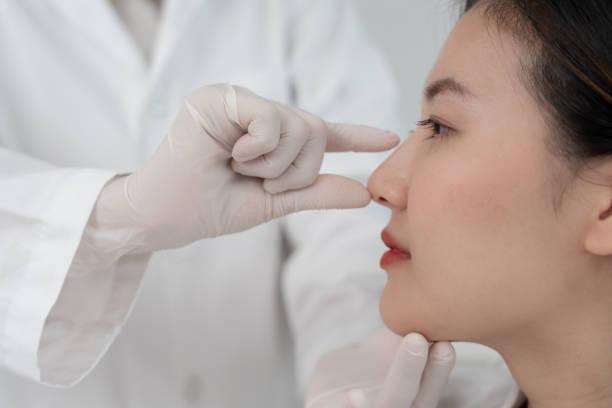
A bulbous nose tip is a common nasal feature in which the end of the nose appears rounded, broad, or less defined than desired. It can result from the shape of the nasal cartilage, thicker skin, or the amount and distribution of soft tissue around the tip. Rhinoplasty can help refine the appearance of a bulbous nose by reshaping the underlying nasal structures and improving overall facial balance. For individuals considering Rhinoplasty in Riyadh (عملية تجميل الانف في الرياض), understanding the available surgical techniques can help them set realistic expectations and make informed decisions about treatment.
What Is a Bulbous Nose Tip?
A bulbous nose tip refers to a rounded or wide nasal tip that may appear less defined when viewed from the front or side. The feature can be natural and varies considerably among individuals. In some cases, the tip looks broad because the lower nasal cartilage is widely spaced or rounded. In others, thicker skin and soft tissue contribute to the appearance.
Common Causes of a Bulbous Nose
Several factors may influence the shape and definition of the nasal tip:
-
Nasal cartilage shape: Broad, rounded, or widely spaced cartilage can create a fuller-looking tip.
-
Thick skin: Thicker skin and soft tissue may conceal the definition of the cartilage beneath.
-
Genetics: Family traits can influence nasal width, projection, and tip shape.
-
Previous injury or surgery: Changes to the nasal structure may affect the tip's contour.
Understanding the cause is essential because the most appropriate treatment depends on the individual's nasal anatomy.
How Can Rhinoplasty Correct a Bulbous Nose Tip?
Rhinoplasty can refine a bulbous tip by adjusting the cartilage that shapes the lower part of the nose. The surgeon evaluates the nasal framework, skin thickness, and facial proportions before selecting a technique. The objective is to create a more defined, balanced tip while preserving natural-looking features and normal nasal function.
Reshaping the Nasal Cartilage
One approach involves carefully reshaping or repositioning the lower lateral cartilages. Depending on the anatomy, the surgeon may use sutures or other structural techniques to improve the tip's contour. The aim is to reduce excessive roundness and create better definition without weakening the nose's support.
Improving Nasal Tip Definition
A bulbous tip may appear less distinct because its cartilage creates a broad contour. Rhinoplasty can adjust the underlying framework to improve definition and create a smoother transition between the nasal tip and bridge. The degree of refinement depends on the existing structure and the changes that can be safely achieved.
Considering Skin Thickness
Skin thickness plays an important role in the final result. Patients with thinner skin may show changes in cartilage shape more clearly, while thicker skin can limit how much definition becomes visible. Rhinoplasty cannot simply remove thick skin to make the tip narrow, as doing so may cause complications. A qualified surgeon considers skin characteristics when planning a realistic outcome.
Can Rhinoplasty Make a Bulbous Nose Look Smaller?
Rhinoplasty may make a bulbous nose tip appear narrower, more refined, or better proportioned. However, the procedure does not always reduce the nose's overall size significantly. The goal is often to improve shape and definition rather than make the nose look unnaturally small.
The surgeon considers the width of the nostrils, the height of the bridge, tip projection, and the overall facial structure. Maintaining adequate cartilage support is important because excessive removal of tissue can lead to an unstable tip, irregular contours, or breathing problems.
Who Is a Suitable Candidate for Bulbous Nose Rhinoplasty?
People who feel that their nasal tip looks too round or broad may consider rhinoplasty if they are in good general health and have realistic expectations. A consultation may be helpful for individuals who:
-
Want better definition at the end of the nose.
-
Feel their nasal tip appears disproportionate to the rest of their face.
-
Have a bulbous appearance caused partly by cartilage shape.
-
Understand the recovery process and potential risks of surgery.
A specialist will assess nasal anatomy, skin thickness, breathing function, and personal goals before determining whether rhinoplasty is suitable.
What Is the Recovery Process Like?
After rhinoplasty, temporary swelling, bruising, and tenderness are common. Swelling around the nasal tip can take longer to settle than swelling in other areas, so the final definition may not be immediately visible. Changes gradually become clearer as the tissues heal, and refinement can continue for a year or longer in some cases.
Patients should follow their surgeon's aftercare instructions, attend follow-up appointments, avoid pressure or accidental impact to the nose, and wait for swelling to subside before judging the outcome. Recovery time varies depending on the surgical technique and individual healing.
What Are the Risks and Limitations?
Rhinoplasty is a surgical procedure and carries risks, including bleeding, infection, scarring, asymmetry, breathing changes, and dissatisfaction with the result. A bulbous tip may remain somewhat rounded if thick skin limits visible definition. In some cases, further surgery may be considered, although revision procedures also have limitations and additional risks.
Choosing a qualified, experienced surgeon and discussing the expected degree of change can help patients make informed decisions. A personalised treatment plan should prioritise nasal function, structural stability, and natural-looking proportions.
Book a Rhinoplasty Consultation at Royal Clinic Saudia
If you are concerned about a bulbous nose tip, a professional consultation can help you understand the techniques that may suit your nasal structure. At Royal Clinic Saudia (عيادات رويال كلينك), individuals considering Rhinoplasty in Riyadh can discuss their aesthetic goals, skin thickness, recovery expectations, and potential risks with a qualified specialist. An individual assessment helps establish realistic expectations and supports informed decisions about treatment.
FAQs:
Can rhinoplasty permanently correct a bulbous nose tip?
Rhinoplasty can create long-lasting changes by reshaping the cartilage that supports the nasal tip. However, natural ageing and individual healing can affect the nose's appearance over time.
Does thick skin affect bulbous nose rhinoplasty results?
Yes. Thick skin can make subtle changes in the underlying cartilage less visible. The surgeon will consider skin thickness when planning the procedure and explaining the likely degree of definition.
Is rhinoplasty the only way to refine a bulbous nose tip?
Surgery is generally the option for making lasting structural changes to the nasal tip. Non-surgical treatments have limited capabilities and cannot reshape nasal cartilage in the same way.
How long does swelling last after bulbous nose rhinoplasty?
Initial swelling usually improves over the first few weeks, but swelling around the tip may persist for several months. Final definition can take a year or longer to become apparent, depending on the individual and the procedure.

 English
 Arabic
 French
 Spanish
 Portuguese
 Deutsch
 Turkish
 Dutch
Dutch
 Italiano
 Romaian
 Portuguese (Brazil)
 Greek
Greek
