
A Closer Look at Lab-Created Diamond Jewelry
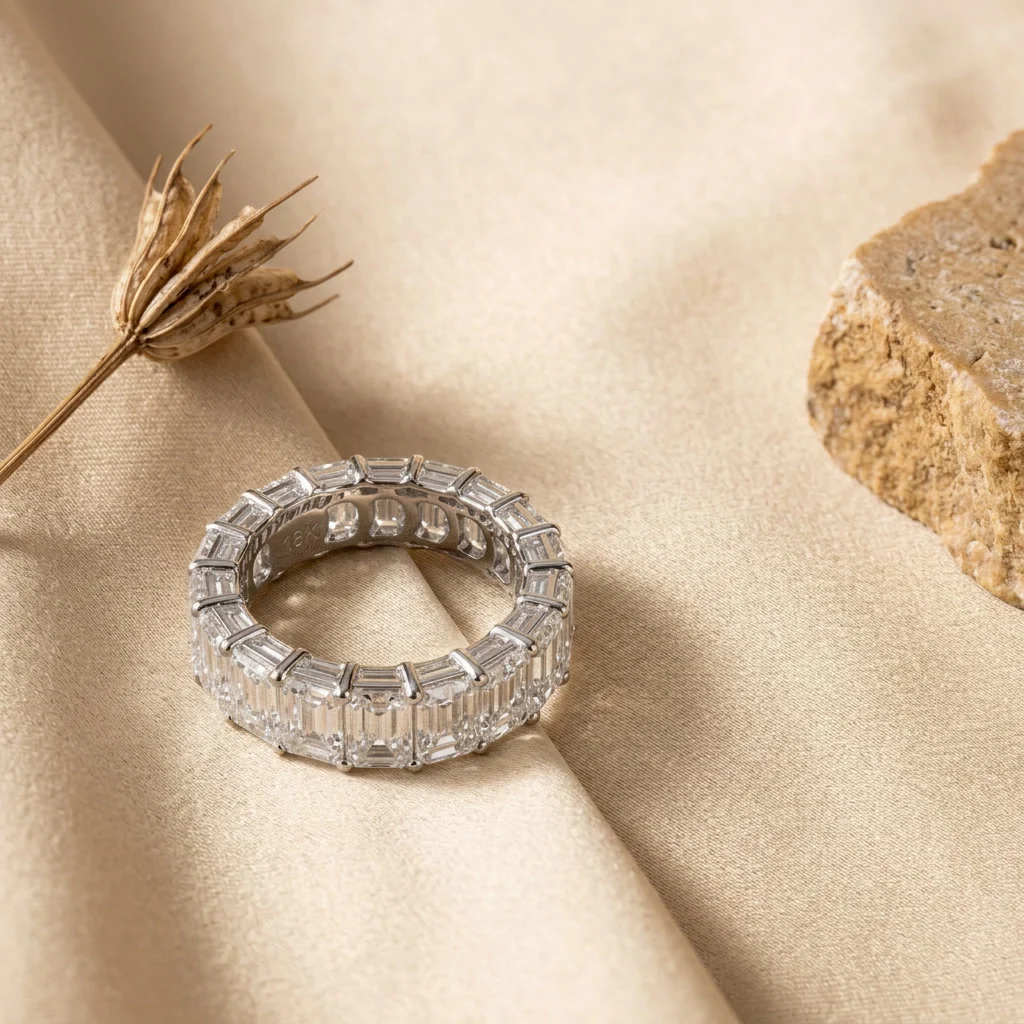
Diamond jewelry has always carried a certain appeal, from simple stud earrings to engagement rings passed down through generations. Yet the way people shop for these pieces is changing. Many buyers now consider lab grown diamonds because they offer the familiar appearance of natural stones with greater flexibility in pricing and design.
Before choosing a piece, it helps to understand what makes these diamonds different, how their quality is measured, and which details deserve attention.
The Science Behind Their Sparkle
Laboratory-created diamonds are genuine diamonds produced in controlled environments rather than formed underground. They have essentially the same chemical composition, crystal structure, and optical properties as mined diamonds.
Manufacturers generally use two production methods. High Pressure High Temperature (HPHT) recreates the intense conditions associated with natural diamond formation. Chemical Vapor Deposition (CVD) uses carbon-containing gases to grow diamond material gradually on a prepared seed.
Both processes produce crystals that can be cut and polished into jewelry. Their origin may differ, but distinguishing them from natural diamonds usually requires specialized gemological equipment.
Unlike cubic zirconia or moissanite, laboratory-created stones are not diamond substitutes. They are diamonds with a different origin.
Why Buyers Are Considering Laboratory-Created Stones
Price is one of the biggest reasons shoppers investigate lab grown diamonds. These stones generally cost less than comparable mined diamonds, allowing buyers to consider larger sizes or more elaborate settings.
For example, someone shopping for a solitaire engagement ring might choose a larger center stone without increasing their original budget. Another buyer may prefer to spend the difference on a platinum setting or custom band.
Design flexibility also matters. Laboratory-created stones are available in popular shapes, including oval, round, pear, cushion, and emerald cuts. This variety makes them suitable for understated everyday jewelry and more distinctive statement pieces.
However, lower purchase prices do not guarantee strong resale value. Buyers should treat diamond jewelry primarily as something to wear and enjoy rather than a financial investment.
Quality Depends on More Than Size
A diamond's appearance depends on several characteristics, commonly described as the four Cs: cut, color, clarity, and carat weight.
Cut and Light Performance
Cut strongly influences how light travels through a diamond. A well-proportioned stone can display attractive brightness and sparkle, while a poorly cut diamond may appear dull despite its size.
Round brilliant diamonds often have standardized cut grades. Fancy shapes require closer visual inspection because their proportions and light performance vary.
Color, Clarity, and Carat Weight
Color grades describe how noticeable a diamond's body color appears. Near-colorless stones can offer excellent visual appeal without requiring the highest available grade.
Clarity refers to internal characteristics and surface features. Many inclusions are difficult to notice without magnification, making eye-clean stones worth considering.
Carat measures weight rather than visible dimensions. Two diamonds with identical carat weights may look different because of their proportions and shape.
Independent grading reports from organizations such as the International Gemological Institute (IGI) help buyers compare these characteristics.
Shopping With Confidence
Online jewelry shopping offers convenience, but attractive photographs cannot replace accurate product information. Buyers researching diamantes de laboratorio donde comprar should begin by comparing sellers that clearly identify a diamond's origin and provide independent grading documentation.
A trustworthy retailer should explain the stone's measurements, grading details, setting materials, and any applicable treatments. Product listings should also distinguish laboratory-created diamonds from imitation gemstones.
Return policies deserve equal attention. Check the inspection period, resizing conditions, warranty coverage, and whether custom-made jewelry qualifies for refunds.
For an engagement ring, confirm that the setting can accommodate future maintenance. Prongs may need tightening, while white gold can require occasional rhodium replating.
Environmental Claims Need Context
Laboratory production avoids diamond mining, but it still requires energy, specialized equipment, and industrial infrastructure. Environmental impacts depend partly on electricity sources, manufacturing practices, and transportation.
Claims such as "eco-friendly" or "carbon neutral" deserve supporting evidence. Buyers interested in environmental responsibility can ask retailers about manufacturing locations, energy use, and independently verified sustainability information.
Choosing a durable design that will be worn regularly also makes practical sense. A timeless setting may remain useful long after short-lived jewelry trends disappear.
Choosing a Piece That Lasts
The strongest purchase decisions balance appearance, craftsmanship, documentation, and realistic expectations. Inspect the setting as carefully as the center stone, especially for jewelry intended for daily wear.
Shoppers searching diamantes de laboratorio donde comprar should compare complete jewelry prices rather than focusing only on diamond carat weight. Metal quality, workmanship, after-sales service, and return terms can significantly affect long-term satisfaction.
Lab grown diamonds provide another option for meaningful jewelry purchases. A carefully selected stone, securely mounted in a comfortable setting, can deliver lasting enjoyment without requiring the highest grade or largest available size.

 English
 Arabic
 French
 Spanish
 Portuguese
 Deutsch
 Turkish
 Dutch
Dutch
 Italiano
 Russian
 Portuguese (Brazil)
 Greek
Greek
