
Managing Acne Treatment Side Effects: A Complete Guide
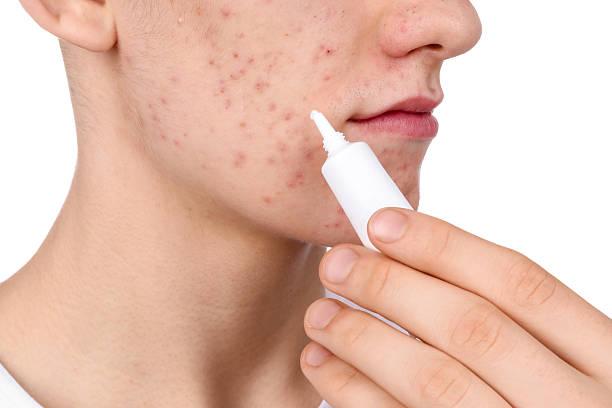
Acne treatments can help reduce breakouts, control excess oil, and improve skin texture. However, some treatments may cause temporary side effects, including dryness, redness, irritation, peeling, or increased sensitivity. Understanding how to manage these reactions is essential for maintaining healthy skin while following an effective acne care routine. With the right approach and professional guidance, you can minimize discomfort and support your skin throughout the treatment process.
For individuals exploring Acne Treatment in Riyadh, understanding potential side effects is an important part of making informed skincare decisions. Whether you are using prescription medications, topical creams, chemical peels, or other dermatological procedures, knowing how to care for your skin can improve your treatment experience. Proper management of irritation can also support recovery and help reduce the risk of long-term concerns associated with acne scar treatment in riyadh.
Understanding Common Acne Treatment Side Effects
Different acne treatments work in different ways, which means their potential side effects can vary. Some products remove excess oil, while others unclog pores, reduce inflammation, or target acne-causing bacteria.
Dryness and Peeling
Ingredients such as retinoids and benzoyl peroxide may cause dryness and peeling, particularly during the first few weeks of use. Applying a gentle, fragrance-free moisturizer can help maintain the skin's natural barrier. Avoid harsh cleansers and exfoliating products that may increase irritation.
Redness and Skin Irritation
Redness, stinging, and mild irritation can occur when the skin adjusts to a new treatment. Introducing products gradually, when appropriate, may help improve tolerance. Persistent or severe irritation should be assessed by a qualified healthcare professional rather than ignored.
Increased Sun Sensitivity
Some acne treatments can make the skin more sensitive to sunlight. Daily broad-spectrum sunscreen with SPF 30 or higher, along with protective clothing and shade, can help reduce the risk of sunburn and irritation.
How to Manage Acne Treatment Side Effects Safely
Managing side effects begins with understanding your skin's needs and following a consistent, gentle skincare routine. Avoid making multiple changes to your routine at once, as this can make it difficult to identify which product is causing a reaction.
Choose Gentle Skincare Products
Use a mild cleanser, a non-comedogenic moisturizer, and sunscreen suitable for your skin type. Avoid abrasive scrubs, strong exfoliating acids, and products containing irritating fragrances while your skin is recovering. A simple routine often makes it easier to maintain skin comfort during treatment.
Follow Professional Instructions
Use acne medications according to the instructions provided by your healthcare professional. Applying larger amounts or using products more frequently than recommended will not necessarily improve results and may increase irritation. Do not stop or change prescribed medication without discussing the decision with your prescriber, unless you are experiencing a potentially serious reaction that requires urgent medical attention.
Introduce Active Ingredients Carefully
Some acne products may be better tolerated when introduced gradually. However, the appropriate frequency depends on the ingredient, its strength, and your skin's condition. Seek professional advice before combining retinoids, benzoyl peroxide, exfoliating acids, or prescription treatments.
When Should You Seek Professional Help?
Mild dryness and temporary irritation may improve with appropriate skincare adjustments. However, severe burning, swelling, blistering, or persistent worsening symptoms should not be treated as normal reactions.
Seek urgent medical attention if you experience difficulty breathing, throat tightness, faintness, or swelling of the lips, tongue, or face after using an acne medication, as these may indicate a serious allergic reaction.
A dermatologist can assess your symptoms, review your skincare products, and recommend suitable alternatives if your current treatment is unsuitable. Professional guidance is particularly important for people with sensitive skin, existing skin conditions, or persistent acne.
Maintaining Healthy Skin During Acne Treatment
Healthy skincare habits can make acne treatment easier to tolerate. Cleanse your face gently, avoid picking or squeezing pimples, and keep your routine consistent. Picking at acne can increase inflammation and raise the risk of scarring and post-inflammatory dark spots.
Allow sufficient time for your treatment to work. Many acne treatments require several weeks before noticeable improvement occurs. Regular follow-ups can help determine whether your routine is effective and whether any adjustments are necessary.
Remember that every person's skin responds differently. The most suitable approach is one that controls acne while protecting the skin barrier and minimizing unnecessary irritation.
Frequently Asked Questions
What are the most common side effects of acne treatment?
Common side effects include dryness, redness, peeling, mild stinging, and increased sensitivity to sunlight. The effects depend on the treatment used and individual skin sensitivity.
How can I reduce dryness caused by acne medication?
Use a gentle cleanser, apply a fragrance-free moisturizer, and avoid harsh exfoliants. If dryness persists or becomes painful, consult your healthcare professional about adjusting your routine.
Should I stop acne treatment if my skin becomes irritated?
Do not automatically discontinue prescribed treatment for mild irritation. Contact your prescriber for advice. Stop using a suspected product and seek appropriate medical guidance if you develop a significant reaction, especially swelling, blistering, or severe pain.
Can acne treatments make my skin more sensitive to the sun?
Yes, certain acne treatments can increase sun sensitivity. Daily broad-spectrum sunscreen, protective clothing, and limiting direct sun exposure can help protect your skin.
When should I consult a dermatologist about acne treatment side effects?
Consult a dermatologist if irritation persists, symptoms worsen, your acne is not improving, or you notice signs of scarring. Severe allergic symptoms require urgent medical attention.
Short Consultation at Enfield Royal Clinic
If you are experiencing discomfort or irritation while treating acne, professional guidance can help you understand your options and develop a suitable skincare plan. Enfield Royal Clinic offers consultations to discuss skin concerns, assess treatment needs, and explore appropriate acne care options. Contact the clinic to learn more about managing acne treatment side effects and supporting healthier-looking skin.

 English
 Arabic
 Spanish
 Portuguese
 Deutsch
 Turkish
 Dutch
Dutch
 Italiano
 Russian
 Romaian
 Portuguese (Brazil)
 Greek
Greek
