
How to Treat Acne During Ramadan: Skincare, Causes, and Prevention Tips
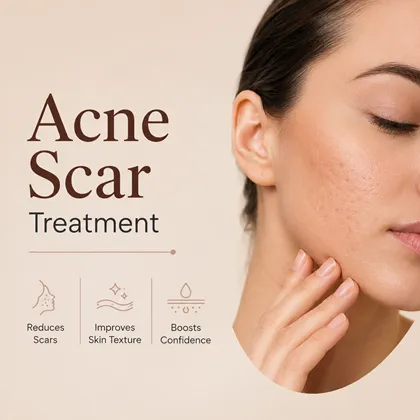
Ramadan brings changes to daily routines, meal timings, sleep schedules, and hydration habits. For some people, these changes may coincide with increased pimples, oily skin, or irritation. Fasting itself does not automatically cause acne, but changes in sleep, food choices, stress, and skincare habits may influence existing breakouts.
If you are looking for **acne treatment in Islamabad**, maintaining a consistent skincare routine during Ramadan can help you manage acne while adapting to your fasting schedule. Understanding possible triggers and choosing appropriate treatments can support healthier skin throughout the month.
## Can Ramadan Cause Acne Breakouts?
There is no strong evidence that fasting itself directly causes acne. However, some lifestyle changes during Ramadan may affect the skin or make acne harder to manage.
### 1. Changes in Sleep Patterns
Late-night meals, prayers, and early waking can disrupt normal sleep schedules. Poor sleep may affect stress levels and general well-being, which can aggravate acne in some individuals.
### 2. Changes in Food Choices
Meals containing large amounts of sugary drinks, sweets, and refined carbohydrates may contribute to a high-glycemic eating pattern. Some research links these dietary patterns with acne, although individual responses vary.
### 3. Dehydration Between Fasting Hours
Not drinking enough fluids between iftar and suhoor can contribute to dehydration and discomfort. Dehydration is not a direct cause of acne, but it may make dry or irritated skin feel worse.
### 4. Skipping or Changing Skincare
A disrupted routine may lead to missed cleansing, sleeping with makeup on, or inconsistent use of prescribed treatments. These changes can make acne management more difficult.
### 5. Stress and Daily Routine Changes
Changes in work, study, family responsibilities, and sleep may increase stress. Stress does not cause every breakout, but it may worsen acne in some people.
## How to Manage Acne During Ramadan
A simple and consistent routine can help keep acne under control without adding unnecessary steps to your day.
### 1. Cleanse Gently After Iftar and Before Sleep
Use a mild cleanser to remove oil, sunscreen, sweat, and makeup. Washing twice daily is usually sufficient for facial acne, although you may need to cleanse after heavy sweating.
Avoid harsh scrubs and excessive washing, as these can irritate the skin.
### 2. Use a Lightweight Moisturizer
Choose a non-comedogenic moisturizer suitable for your skin type. Moisturizing is important even for oily skin, especially if you use acne treatments that cause dryness.
If your skin feels tight or begins peeling, ask a healthcare professional whether your routine needs adjustment.
### 3. Continue Your Prescribed Acne Treatment
If you already use acne medication, follow your clinician's instructions rather than stopping or changing the treatment schedule on your own.
Common acne treatments include benzoyl peroxide, topical retinoids, and other prescription medications, depending on the type and severity of acne. Introduce new products gradually and avoid combining several strong active ingredients without guidance.
Topical retinoids should be avoided during pregnancy and when trying to conceive. If you are pregnant, planning pregnancy, or breastfeeding, consult a healthcare professional before starting acne medication.
### 4. Choose Balanced Meals at Iftar and Suhoor
A balanced diet can support overall health. Consider including:
- Vegetables and fruits.
- Whole grains and other fiber-rich carbohydrates.
- Beans, lentils, eggs, fish, or other protein sources.
- Nuts and seeds in suitable portions.
- Water and other appropriate fluids between fasting hours.
You do not need to eliminate all sweets or specific food groups to manage acne. If you suspect a particular food affects your skin, track the pattern rather than assuming that one meal caused a breakout.
### 5. Maintain Hydration Between Fasting Hours
Drink water regularly between iftar and suhoor rather than trying to consume it all at once. Individual fluid needs vary depending on activity, weather, and medical circumstances.
Limiting excessive sugary drinks may also support a balanced dietary pattern.
### 6. Prioritize Sleep and Stress Management
Where possible, maintain a consistent sleep schedule and allow enough time for rest. Gentle exercise, relaxation, and manageable daily routines may support overall well-being.
## A Simple Ramadan Skincare Routine
You can adapt your skincare routine around your daily schedule.
**After waking or before leaving home**
1. Cleanse gently if needed.
2. Apply a non-comedogenic moisturizer.
3. Use broad-spectrum sunscreen with SPF 30 or higher during the day.
**After iftar or before sleeping**
1. Remove makeup and sunscreen.
2. Wash with a gentle cleanser.
3. Apply your prescribed acne treatment as directed.
4. Finish with moisturizer.
If you exercise or sweat heavily, cleanse gently afterward. The exact timing of acne medication depends on the product and your clinician's instructions.
## Common Acne Mistakes to Avoid During Ramadan
- Skipping cleansing after wearing makeup or sunscreen.
- Using harsh scrubs to remove oil.
- Applying several acne products at the same time.
- Picking or squeezing pimples.
- Replacing prescribed medication with unproven home remedies.
- Consuming excessive sugary drinks while neglecting balanced meals.
- Expecting acne to clear within a few days.
Consistency is important. Many acne treatments require several weeks to show noticeable improvement.
## When Should You Seek Professional Acne Treatment?
Consider seeing a dermatologist if acne is persistent, painful, widespread, or leaving scars. Professional advice is also useful if your current products cause significant irritation or if breakouts continue despite a consistent routine.
A clinician can assess your skin and recommend treatment suited to your acne severity, medical history, and individual needs.
## Acne Treatment in Islamabad at Incisions Clinic
If acne becomes difficult to manage during Ramadan, a professional skin assessment can help identify possible contributing factors and suitable treatment options.
At Incisions Clinic, people seeking **acne treatment in Islamabad** can discuss recurring pimples, oily skin, inflammation, and acne-related marks. Depending on the assessment, care may include skincare guidance, topical medication, prescription treatment, or further evaluation when appropriate.
Treatment recommendations should be individualized, and results vary from person to person. Continue following your healthcare professional's instructions throughout Ramadan, especially if you use prescription medication or have other medical conditions.
## Final Thoughts
Acne during Ramadan may coincide with changes in sleep, diet, stress, and skincare habits, but fasting itself is not proven to directly cause breakouts. A gentle routine, balanced meals, adequate fluids between fasting hours, and consistent treatment can help you manage your skin.
If acne becomes painful, persistent, or leaves scars, professional advice about **acne treatment in Islamabad** can help you find an approach suited to your skin.
Ramadan brings changes to daily routines, meal timings, sleep schedules, and hydration habits. For some people, these changes may coincide with increased pimples, oily skin, or irritation. Fasting itself does not automatically cause acne, but changes in sleep, food choices, stress, and skincare habits may influence existing breakouts.
If you are looking for **acne treatment in Islamabad**, maintaining a consistent skincare routine during Ramadan can help you manage acne while adapting to your fasting schedule. Understanding possible triggers and choosing appropriate treatments can support healthier skin throughout the month.
## Can Ramadan Cause Acne Breakouts?
There is no strong evidence that fasting itself directly causes acne. However, some lifestyle changes during Ramadan may affect the skin or make acne harder to manage.
### 1. Changes in Sleep Patterns
Late-night meals, prayers, and early waking can disrupt normal sleep schedules. Poor sleep may affect stress levels and general well-being, which can aggravate acne in some individuals.
### 2. Changes in Food Choices
Meals containing large amounts of sugary drinks, sweets, and refined carbohydrates may contribute to a high-glycemic eating pattern. Some research links these dietary patterns with acne, although individual responses vary.
### 3. Dehydration Between Fasting Hours
Not drinking enough fluids between iftar and suhoor can contribute to dehydration and discomfort. Dehydration is not a direct cause of acne, but it may make dry or irritated skin feel worse.
### 4. Skipping or Changing Skincare
A disrupted routine may lead to missed cleansing, sleeping with makeup on, or inconsistent use of prescribed treatments. These changes can make acne management more difficult.
### 5. Stress and Daily Routine Changes
Changes in work, study, family responsibilities, and sleep may increase stress. Stress does not cause every breakout, but it may worsen acne in some people.
## How to Manage Acne During Ramadan
A simple and consistent routine can help keep acne under control without adding unnecessary steps to your day.
### 1. Cleanse Gently After Iftar and Before Sleep
Use a mild cleanser to remove oil, sunscreen, sweat, and makeup. Washing twice daily is usually sufficient for facial acne, although you may need to cleanse after heavy sweating.
Avoid harsh scrubs and excessive washing, as these can irritate the skin.
### 2. Use a Lightweight Moisturizer
Choose a non-comedogenic moisturizer suitable for your skin type. Moisturizing is important even for oily skin, especially if you use acne treatments that cause dryness.
If your skin feels tight or begins peeling, ask a healthcare professional whether your routine needs adjustment.
### 3. Continue Your Prescribed Acne Treatment
If you already use acne medication, follow your clinician's instructions rather than stopping or changing the treatment schedule on your own.
Common acne treatments include benzoyl peroxide, topical retinoids, and other prescription medications, depending on the type and severity of acne. Introduce new products gradually and avoid combining several strong active ingredients without guidance.
Topical retinoids should be avoided during pregnancy and when trying to conceive. If you are pregnant, planning pregnancy, or breastfeeding, consult a healthcare professional before starting acne medication.
### 4. Choose Balanced Meals at Iftar and Suhoor
A balanced diet can support overall health. Consider including:
- Vegetables and fruits.
- Whole grains and other fiber-rich carbohydrates.
- Beans, lentils, eggs, fish, or other protein sources.
- Nuts and seeds in suitable portions.
- Water and other appropriate fluids between fasting hours.
You do not need to eliminate all sweets or specific food groups to manage acne. If you suspect a particular food affects your skin, track the pattern rather than assuming that one meal caused a breakout.
### 5. Maintain Hydration Between Fasting Hours
Drink water regularly between iftar and suhoor rather than trying to consume it all at once. Individual fluid needs vary depending on activity, weather, and medical circumstances.
Limiting excessive sugary drinks may also support a balanced dietary pattern.
### 6. Prioritize Sleep and Stress Management
Where possible, maintain a consistent sleep schedule and allow enough time for rest. Gentle exercise, relaxation, and manageable daily routines may support overall well-being.
## A Simple Ramadan Skincare Routine
You can adapt your skincare routine around your daily schedule.
**After waking or before leaving home**
1. Cleanse gently if needed.
2. Apply a non-comedogenic moisturizer.
3. Use broad-spectrum sunscreen with SPF 30 or higher during the day.
**After iftar or before sleeping**
1. Remove makeup and sunscreen.
2. Wash with a gentle cleanser.
3. Apply your prescribed acne treatment as directed.
4. Finish with moisturizer.
If you exercise or sweat heavily, cleanse gently afterward. The exact timing of acne medication depends on the product and your clinician's instructions.
## Common Acne Mistakes to Avoid During Ramadan
- Skipping cleansing after wearing makeup or sunscreen.
- Using harsh scrubs to remove oil.
- Applying several acne products at the same time.
- Picking or squeezing pimples.
- Replacing prescribed medication with unproven home remedies.
- Consuming excessive sugary drinks while neglecting balanced meals.
- Expecting acne to clear within a few days.
Consistency is important. Many acne treatments require several weeks to show noticeable improvement.
## When Should You Seek Professional Acne Treatment?
Consider seeing a dermatologist if acne is persistent, painful, widespread, or leaving scars. Professional advice is also useful if your current products cause significant irritation or if breakouts continue despite a consistent routine.
A clinician can assess your skin and recommend treatment suited to your acne severity, medical history, and individual needs.
## Acne Treatment in Islamabad at Incisions Clinic
If acne becomes difficult to manage during Ramadan, a professional skin assessment can help identify possible contributing factors and suitable treatment options.
At Incisions Clinic, people seeking **acne treatment in Islamabad** can discuss recurring pimples, oily skin, inflammation, and acne-related marks. Depending on the assessment, care may include skincare guidance, topical medication, prescription treatment, or further evaluation when appropriate.
Treatment recommendations should be individualized, and results vary from person to person. Continue following your healthcare professional's instructions throughout Ramadan, especially if you use prescription medication or have other medical conditions.
## Final Thoughts
Acne during Ramadan may coincide with changes in sleep, diet, stress, and skincare habits, but fasting itself is not proven to directly cause breakouts. A gentle routine, balanced meals, adequate fluids between fasting hours, and consistent treatment can help you manage your skin.
If acne becomes painful, persistent, or leaves scars, professional advice about **acne treatment in Islamabad** can help you find an approach suited to your skin.

 English
 Arabic
 French
 Spanish
 Portuguese
 Deutsch
 Turkish
 Dutch
Dutch
 Italiano
 Romaian
 Portuguese (Brazil)
 Greek
Greek
