
Property Inspection: A Complete Guide for Property Buyers
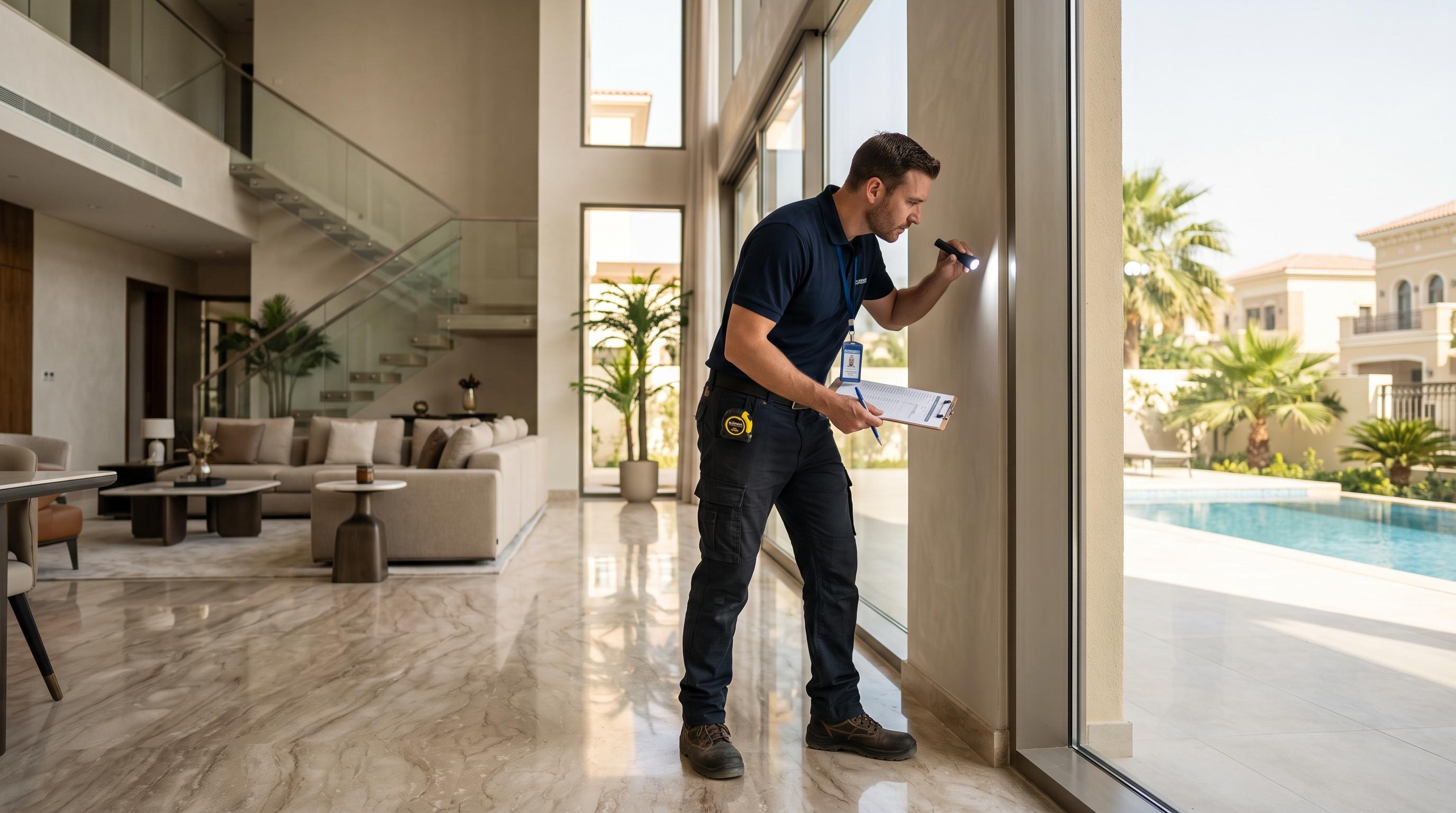
Property inspection is an important process for anyone planning to buy, sell, rent, or maintain a residential or commercial property. It helps identify visible damage, hidden defects, maintenance concerns, and potential safety issues before they become expensive problems. Whether you are purchasing a new home, checking an existing building, or preparing a property for handover, a professional inspection provides valuable information about its condition. Understanding property inspection allows property owners and buyers to make informed decisions, negotiate repairs, and protect their investments.
What Is Property Inspection?
Property inspection is a detailed assessment of a building and its major components to determine their current condition. During the inspection, a qualified professional examines areas such as walls, ceilings, floors, doors, windows, plumbing systems, electrical installations, and visible structural elements. The purpose is to identify defects, incomplete work, signs of deterioration, and maintenance requirements that may affect the property's value, comfort, or safety. Depending on the building type and inspection requirements, the assessment may also include roofing, drainage, ventilation, waterproofing, and external areas.
Why Is Property Inspection Important?
Property inspection helps people understand what they are purchasing or maintaining. A property may look attractive during a viewing, but cosmetic finishes can sometimes hide problems such as water leakage, poor workmanship, damaged fittings, or ventilation issues. A thorough inspection helps reveal these concerns before a transaction is completed or a building is handed over.
For buyers, an inspection can reduce uncertainty and provide useful information for negotiations. For sellers, it offers an opportunity to identify and address defects before listing a property. Landlords can use inspections to monitor maintenance requirements, while property owners can identify problems early and avoid unnecessary repair expenses. Overall, property inspection supports better planning and helps protect the long-term value of real estate.
Types of Property Inspection
Residential Property Inspection
Residential property inspection focuses on houses, apartments, villas, and other living spaces. Inspectors assess the general condition of the building, including walls, ceilings, floors, kitchens, bathrooms, windows, doors, and accessible service systems. They may also look for signs of dampness, cracks, poor finishing, damaged fixtures, and other visible defects.
This inspection is useful for homebuyers, homeowners, landlords, and tenants who want to understand the condition of a residential property. It can help identify maintenance concerns before moving in and provide a clearer picture of the work that may be required.
Commercial Property Inspection
Commercial property inspection evaluates buildings such as offices, retail spaces, warehouses, and other business premises. The inspection focuses on building condition, visible structural elements, accessibility, general safety concerns, and the condition of relevant installations.
Commercial properties may have different requirements depending on their use. For example, an office may require attention to lighting, ventilation, and electrical installations, while a warehouse may need closer assessment of floors, access points, drainage, and loading areas. The inspection scope should reflect the property's intended use and applicable requirements.
New Property Inspection
A new property inspection is especially useful before accepting a newly constructed home or commercial unit. Even recently completed buildings can contain defects caused by poor workmanship, incomplete installations, damaged materials, or inadequate finishing.
Inspectors examine visible construction details, fixtures, fittings, doors, windows, flooring, plumbing, and other accessible components. They may identify paint defects, uneven surfaces, loose fittings, drainage concerns, and signs of leakage. Addressing these problems before handover can help reduce future inconvenience and make it easier to request corrections from the responsible developer or contractor.
Pre-Purchase Property Inspection
A pre-purchase property inspection helps prospective buyers understand the condition of a property before completing a transaction. It can reveal visible defects and maintenance concerns that may not be obvious during a routine viewing.
The findings can help buyers decide whether to proceed, request repairs, seek further specialist assessments, or reconsider the purchase. An inspection report can also support negotiations by documenting observed problems. However, the inspection does not guarantee that every hidden defect will be discovered, especially when areas are inaccessible or require specialist testing.
Property Handover Inspection
Property handover inspection takes place when a property is being transferred from a developer, builder, landlord, or contractor to its new owner or occupant. The inspector checks whether visible work appears complete and whether fixtures, fittings, and accessible systems are in acceptable condition.
The process may identify damaged surfaces, missing accessories, loose handles, poorly aligned doors, plumbing concerns, and incomplete finishing. Recording these issues before accepting the property helps create a clear list of items that may need correction.
What Does a Property Inspector Check?
Structural Elements
Inspectors examine accessible structural elements for visible cracks, unusual movement, damaged surfaces, and other signs that may require further investigation. They may assess walls, floors, ceilings, columns, and other visible components within the agreed inspection scope.
Not every crack indicates a serious structural problem, but its location, size, pattern, and development can influence whether specialist assessment is needed. A general property inspection cannot replace a structural engineer's evaluation when significant concerns are identified.
Walls, Ceilings, and Floors
Walls, ceilings, and floors are checked for cracks, stains, uneven finishes, peeling paint, damaged tiles, loose flooring, and signs of moisture. These defects may result from poor workmanship, normal wear, water intrusion, or underlying building problems.
Inspectors document visible issues and explain where further investigation may be appropriate. This information helps owners understand which problems are mainly cosmetic and which could indicate a more serious concern.
Plumbing and Drainage
Plumbing inspection involves checking accessible pipes, taps, sinks, toilets, showers, and drainage points for visible leakage, damaged fittings, poor water flow, and drainage problems. Inspectors may operate accessible fixtures to observe their general performance.
Water stains, damp cabinets, unpleasant odours, and slow drainage can indicate issues that deserve attention. More complex plumbing faults may require a specialist plumber, particularly when pipes are concealed inside walls or beneath floors.
Electrical Installations
Electrical checks may include visible switches, sockets, lighting fixtures, distribution panels, and other accessible components, depending on the inspector's qualifications and the agreed scope. The purpose is to identify visible damage, missing covers, loose fittings, and potential safety concerns.
A general property inspection is not necessarily a comprehensive electrical safety test. Suspected electrical hazards should be assessed by a qualified electrician using appropriate testing equipment and procedures.
Doors and Windows
Doors and windows are examined for alignment, operation, damaged handles, broken seals, sticking mechanisms, and visible gaps. Inspectors may also check accessible window frames and surrounding surfaces for signs of moisture penetration.
Properly functioning doors and windows improve comfort, security, and energy efficiency. Identifying installation defects early can help prevent future repair costs and improve the property's overall usability.
Kitchens and Bathrooms
Kitchens and bathrooms require careful attention because they contain plumbing connections, fixtures, tiled surfaces, cabinets, and areas exposed to moisture. Inspectors look for leaking taps, damaged sealant, loose tiles, poor finishing, blocked drainage, and visible water damage.
Bathrooms may also be assessed for signs of inadequate waterproofing, although confirming hidden waterproofing defects can require specialised testing. Early identification of moisture-related concerns can help reduce the risk of deterioration and mould growth.
Exterior Areas and Roofing
Where accessible, inspectors examine external walls, balconies, terraces, visible roof surfaces, drainage outlets, and other exposed areas. They look for damaged finishes, cracks, standing water, loose components, and signs of weather-related deterioration.
Roof access may be limited by safety concerns or the property's design. When direct access is not possible, the inspector should explain any limitations in the report and recommend further assessment if necessary.
How the Property Inspection Process Works
Initial Assessment
The process usually begins with gathering information about the property, its age, intended use, known issues, and the client's concerns. The inspector confirms which areas and systems are included in the assessment and identifies any access limitations.
This preparation helps establish clear expectations and ensures the inspection focuses on the property's relevant features.
On-Site Inspection
During the site visit, the inspector examines accessible areas and records visible defects, maintenance concerns, and incomplete work. Depending on the agreed service, the inspector may use tools such as moisture meters, levels, torches, or other suitable equipment.
The inspection should be systematic rather than limited to a quick visual walk-through. Photographs and written notes can help document findings and make the final report easier to understand.
Inspection Report
After the inspection, the client receives a report describing the observed condition of the property. The report may include photographs, defect descriptions, recommendations, and notes about areas that could not be inspected.
A useful report distinguishes between routine maintenance, visible defects, and issues that may require urgent attention or specialist investigation. The report should also explain that concealed or inaccessible problems may remain undetected.
Repair Recommendations and Follow-Up
Once the report is available, the property owner or buyer can review the findings and decide which issues need attention. Depending on the circumstances, repairs may be requested from the developer, completed by a contractor, or assessed by a specialist.
For newly constructed properties, a follow-up inspection may help verify whether previously documented defects have been corrected. Keeping inspection reports and repair records also supports future maintenance planning.
Benefits of Hiring a Professional Property Inspector
Hiring a professional property inspector provides an organised assessment of the building's condition. An experienced inspector knows how to recognise common defects, document findings clearly, and identify situations that may require further technical investigation.
A professional report can save time by bringing multiple concerns together in one document. It may help buyers avoid unexpected repair expenses, assist owners with maintenance planning, and give landlords a clearer understanding of their property's condition. For new developments, an inspection can also help identify workmanship issues before the owner accepts the completed property.
The value of an inspection depends on the inspector's experience, qualifications, equipment, and agreed scope of work. Clients should choose a provider who communicates clearly, explains limitations, and does not make unrealistic promises about discovering every possible defect.
Property Inspection in Dubai
Property inspection is particularly valuable in Dubai, where buyers and investors may deal with apartments, villas, commercial units, and newly developed properties. Heat, dust, humidity, air-conditioning use, and water exposure can all influence building maintenance requirements.
In Dubai, an inspection may focus on air-conditioning performance, visible moisture damage, bathroom waterproofing concerns, balcony drainage, window sealing, finishing quality, and accessible plumbing and electrical components. For new properties, a pre-handover inspection can help identify defects that should be documented and reported to the responsible party.
Anyone arranging a property inspection in Dubai should confirm the provider's experience, service scope, reporting standards, and ability to inspect the relevant building systems. Requirements may differ according to the property, the transaction, and the type of technical assessment needed.
How to Choose the Right Property Inspection Company
Selecting the right inspection company is important because the quality of the assessment influences how useful the final report will be. Look for a provider with relevant experience, appropriate qualifications, transparent pricing, and a clear explanation of the inspection process.
Ask whether the service includes a written report with photographs and practical recommendations. Confirm which areas are covered, whether specialised testing is available, and how inaccessible areas will be handled. It is also helpful to understand the expected turnaround time and whether a follow-up inspection can be arranged.
Avoid choosing a provider based on price alone. A detailed, well-documented inspection can offer greater value than a rushed assessment that overlooks important concerns or fails to explain its findings.
Common Property Inspection Mistakes to Avoid
One common mistake is assuming that a property in excellent visual condition has no underlying problems. Fresh paint, new flooring, and attractive fixtures can make a building look appealing without proving that its installations are functioning correctly.
Another mistake is waiting until after handover to report visible defects. Documenting concerns before accepting a property can make communication with the developer or contractor more straightforward, although contractual rights and reporting deadlines vary.
Some buyers also misunderstand the inspection report and treat every defect as equally serious. Cosmetic imperfections, routine maintenance needs, and potential safety concerns require different responses. Reviewing the report carefully and seeking specialist advice when necessary helps ensure that important issues receive appropriate attention.
Frequently Asked Questions
What Is the Main Purpose of Property Inspection?
The main purpose of property inspection is to assess a building's visible condition, identify defects, and highlight maintenance or safety concerns. It helps buyers, owners, landlords, and tenants make informed decisions about a property.
When Should I Arrange a Property Inspection?
A property inspection can be arranged before buying a property, before accepting a new home, before renting a unit, or during routine maintenance. The best timing depends on your goals and any contractual requirements.
Is Property Inspection Necessary for a New Home?
Yes, a new home can still contain defects, incomplete work, damaged fixtures, or installation problems. An inspection before handover helps identify visible concerns that may need correction before occupancy.
How Long Does a Property Inspection Take?
The duration depends on the property's size, condition, accessibility, and inspection scope. Larger buildings or properties requiring more detailed assessments may take longer than smaller units.
What Is Included in a Property Inspection Report?
A typical report includes descriptions of observed defects, photographs, maintenance concerns, and recommendations for repair or further assessment. The exact contents depend on the inspection service and the agreed scope.
Can Property Inspection Find Hidden Defects?
An inspection may reveal signs of hidden problems, such as damp patches or unusual cracks, but it cannot guarantee detection of every concealed defect. Specialised equipment or further investigation may be needed.
Is Property Inspection the Same as Property Valuation?
No, property inspection and property valuation serve different purposes. Inspection assesses the physical condition of a building, while valuation estimates its financial market value based on relevant factors.
How Much Does Property Inspection Cost?
The cost depends on the property's size, location, type, age, and required inspection services. Additional technical testing or specialist assessments may increase the total cost.
Should I Hire a Professional Property Inspector?
Hiring a qualified professional is advisable when you need a systematic assessment, clear documentation, and practical recommendations. Choose an inspector whose qualifications and experience match the type of property and inspection required.
Conclusion
Property inspection is an essential part of responsible property ownership, purchasing, and maintenance. It helps identify visible defects, assess the condition of important building components, and highlight concerns that may require repair or specialist investigation. From residential homes and commercial buildings to newly completed properties, a professional inspection provides valuable information that supports better decisions and long-term investment protection.
Choosing an experienced inspector, understanding the inspection scope, and reviewing the final report carefully can help reduce uncertainty and prevent avoidable maintenance problems. Whether you are buying a home, preparing for property handover, or maintaining an existing building, property inspection is a practical step toward a safer, better-maintained, and more reliable property.

 English
 Arabic
 French
 Spanish
 Portuguese
 Deutsch
 Turkish
 Dutch
Dutch
 Russian
 Romaian
 Portuguese (Brazil)
 Greek
Greek
