
Side Gusset Bags for Distinctive Product Packaging
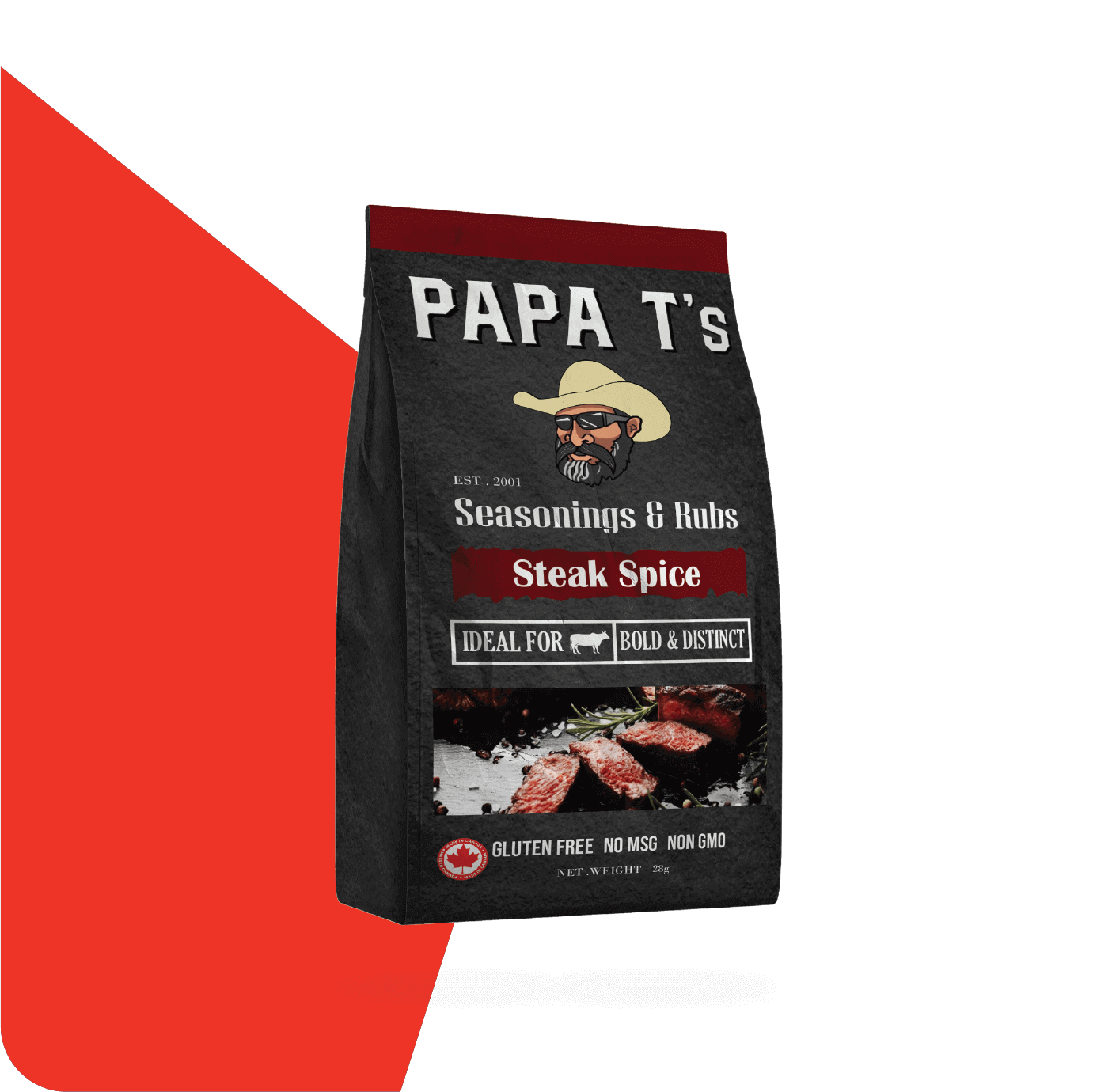
Creative packaging combines thoughtful construction, suitable materials, and distinctive printed artwork to create an attractive presentation for different products. Businesses seeking flexible packaging formats can explore Side Gusset Bags featuring expandable side panels and adaptable dimensions. These bags suit various product categories while providing space for branding, product details, and decorative graphics. Careful consideration of size, material, and printing helps establish a recognizable appearance that reflects brand identity. With the right design choices, businesses can develop packaging that supports product organization, creates a consistent retail presentation, and aligns with specific packaging requirements and customer expectations across markets.
Versatile Construction for Different Products
Expandable side panels distinguish this packaging style from conventional flat bags. Their folded sides provide additional interior space, making this format suitable for products that benefit from a wider storage area. Depending on the selected dimensions and materials, these bags can be prepared for food items, dry goods, specialty products, and other retail merchandise. Businesses can choose appropriate specifications according to product weight, storage conditions, and presentation preferences. Thoughtful measurements also help maintain a suitable fit while avoiding unnecessary packaging space.
Attractive Printing and Brand Recognition
Distinctive graphics can establish a consistent visual identity across a product range. Printed surfaces provide room for logos, product names, ingredient information, instructions, and other relevant details. Color combinations, typography, and illustrations can be coordinated to reflect a brand’s established design style. A specialty food company, for example, may prefer warm colors and clear product descriptions, while a modern retail brand might choose minimal graphics and bold typography. Balanced artwork keeps important information readable without overcrowding the available surface.
Material Choices and Practical Considerations
Selecting suitable packaging materials involves more than appearance alone. The intended product, expected storage environment, and required barrier properties should guide the decision. Depending on the application, available options may include paper-based structures, plastic films, or laminated combinations designed for particular packaging needs. Before finalizing a design, businesses should review material thickness, closure style, dimensions, and printing compatibility. Products requiring protection from moisture, oxygen, or light may need specialized barrier materials that meet their specific storage requirements.
Distinctive Features Worth Considering
Several design elements can be evaluated when planning packaging for a new product line. Each choice should match the intended contents, brand presentation, and handling requirements. Reviewing these features together can help businesses prepare packaging specifications that balance appearance, storage needs, and practical handling.
-
Expandable Side Panels: Folded sides provide additional interior capacity for suitable products.
-
Custom Dimensions: Tailored measurements help accommodate different product quantities and shapes.
-
Printed Artwork: Logos, product names, and coordinated graphics establish visual consistency.
-
Closure Options: Suitable closures can support convenient opening and closing where available.
-
Material Selection: Consider paper, film, or laminated structures based on the application.
-
Product Information: Organized layouts provide space for relevant descriptions, instructions, and required labeling.
Organized Packaging for Retail Displays
Retail presentation often depends on clear product identification and consistent visual organization. Packaging with expandable sides can provide a structured format for arranging suitable items on shelves or within storage areas. The final appearance depends on the bag’s dimensions, filled shape, material characteristics, and overall design. A coordinated packaging collection can also make related products easier to distinguish. Different colors, labels, or graphic elements may be assigned to individual varieties while retaining a consistent brand identity.
Thoughtful Planning Before Production
Successful packaging begins with a clear understanding of the product and its intended market. Measurements should account for the actual contents, while material choices should reflect storage, transportation, and display conditions. Artwork files also need to match the printer’s specifications so important text and graphics remain properly positioned. Reviewing a sample or production proof can help identify sizing concerns, printing differences, and layout adjustments before a larger order is approved. Businesses should also verify labeling requirements for their particular product category.
Conclusion
Well-planned packaging brings together suitable construction, informative graphics, and a recognizable brand identity. Businesses considering Side Gusset Bags can review different sizes, materials, printing styles, and closure options to find a format appropriate for their products. For additional packaging ideas and product categories, visit Printing Shell to review available solutions. Careful attention to specifications, artwork placement, and intended use can help create packaging that fits product requirements while maintaining a consistent presentation across a retail collection.

 English
 Arabic
 Spanish
 Portuguese
 Deutsch
 Turkish
 Dutch
Dutch
 Italiano
 Russian
 Romaian
 Portuguese (Brazil)
 Greek
Greek
