
What to Know Before Choosing a Wart Removal Treatment
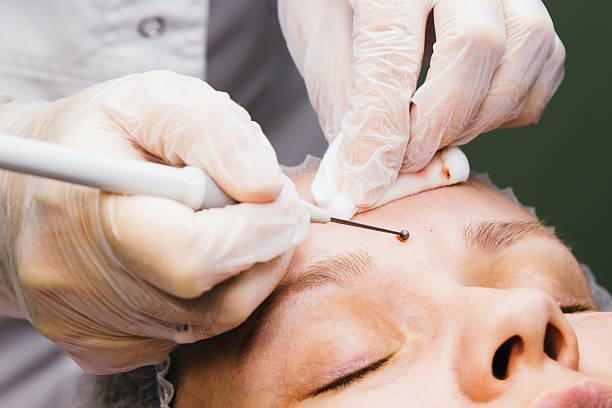
Warts are common skin growths that can appear on the hands, feet, face, and other parts of the body. Although many warts are harmless, they can cause discomfort, spread to surrounding skin, or become a cosmetic concern. Before choosing Wart removal in Riyadh (كم سعر إزالة الثالول بالليزر في الرياض), it is important to understand the type of wart, the available treatment methods, and the possible effects on your skin. A professional assessment can help you make an informed decision and select an approach that suits your skin condition and individual needs.
Understand What Type of Wart You Have
Warts are commonly caused by certain types of human papillomavirus (HPV), which affect the outer layer of the skin. Their appearance and location can influence the choice of treatment.
Common Warts
Common warts typically develop on the hands, fingers, and around the nails. They often have a rough, raised surface and may contain tiny dark spots. Treatment depends on their size, location, and whether they cause discomfort.
Plantar Warts
Plantar warts appear on the soles of the feet and may cause pain when walking or standing. Pressure can push them deeper into the skin, making them resemble corns or calluses. Correct identification is important before treatment.
Flat and Filiform Warts
Flat warts are generally small and smooth, while filiform warts have narrow, finger-like projections and may appear around the nose, mouth, or eyelids. Warts on the face or near sensitive areas require careful assessment to reduce the risk of scarring and irritation.
Explore the Available Wart Removal Treatments
Different treatments work in different ways, and no single method is appropriate for every wart. A qualified healthcare professional can explain the benefits, limitations, and likely recovery process for each option.
Cryotherapy
Cryotherapy uses liquid nitrogen to freeze wart tissue, causing the affected cells to break down. The area may blister before the wart gradually clears. Several sessions may be required, and temporary discomfort, pigment changes, or scarring are possible.
Topical Treatments
Products containing salicylic acid can gradually remove layers of wart tissue and may be suitable for certain common or plantar warts. They often require regular application over several weeks. These products should not be used on the face, genital area, or suspicious skin growths without professional advice.
Laser Treatment
Laser treatment uses focused light energy to target wart tissue and may be considered for selected persistent or difficult-to-treat cases. The number of sessions and expected response depend on the wart and the technique used. Your provider should explain potential side effects, including discomfort, scarring, and changes in skin pigmentation.
Electrosurgery and Curettage
Electrosurgery uses electrical energy to destroy wart tissue, while curettage involves removing the growth with a medical instrument. These procedures may be appropriate for certain warts that have not responded to other treatments. Potential risks include bleeding, infection, scarring, and changes in skin color.
Why a Professional Skin Assessment Matters
Before proceeding with Wart removal in Riyadh, ensure that the growth has been correctly assessed. Some skin conditions, including certain moles and other lesions, can resemble warts. Treating an unidentified growth at home may delay the diagnosis of a different condition.
Discuss Changes in the Growth
Tell your healthcare professional if the growth has changed in size, shape, or color, bleeds unexpectedly, becomes painful, or fails to heal. Depending on its appearance, further examination or a biopsy may be recommended.
Review Your Medical History
Share information about your medical conditions, allergies, medications, previous treatments, and any history of poor wound healing. These details can affect treatment selection and the precautions needed during recovery.
Consider the Wart's Location and Your Skin Type
The location of a wart can influence both treatment choice and healing. Growths on the face, near the eyes, around the nails, or on weight-bearing areas of the feet may need special consideration.
Reducing the Risk of Scarring
Some removal methods can cause temporary or lasting changes in skin texture and pigmentation. Discuss your skin sensitivity and any history of dark marks or raised scars with your provider. No treatment can guarantee scar-free healing.
Setting Realistic Expectations
Some warts clear after one treatment, while others require several sessions or may return. Ask how long improvement may take, whether follow-up appointments are needed, and what to do if the wart persists.
Understand the Risks and Aftercare Requirements
Every removal method has potential side effects. Depending on the procedure, these may include redness, swelling, tenderness, blistering, bleeding, infection, or scarring. Your provider should explain which effects are expected and which symptoms require medical attention.
Follow Post-Treatment Instructions
Keep the treated area clean and follow wound-care instructions. Avoid picking scabs or blisters, and do not apply unapproved products to healing skin. Contact a healthcare professional if you develop increasing pain, spreading redness, pus, fever, or delayed healing.
Help Prevent Warts From Spreading
Avoid picking or scratching warts, wash your hands after touching the affected area, and do not share towels or nail-care tools. Wear footwear in shared wet areas and avoid shaving directly over a wart, as these actions can help reduce the spread of HPV.
Questions to Ask Before Choosing a Treatment
Before making your decision, consider asking your provider:
-
Is the growth definitely a wart, or is further assessment needed?
-
Which treatment is most appropriate for its location and type?
-
How many sessions might be required?
-
What side effects, scarring risks, and recovery requirements should I expect?
-
What should I do if the wart returns?
Clear answers can help you compare treatment options and understand what to expect throughout the process.
Book an Appointment at Royal Clinic Saudia
If you have a persistent or uncomfortable skin growth, Royal Clinic Saudia ( عيادات رويال كلينك ) can help you explore suitable assessment and treatment options. Arrange a consultation to discuss your concerns, understand the available removal methods, and receive guidance tailored to your skin. A professional evaluation can help determine the nature of the growth and identify an appropriate treatment plan.

 English
 Arabic
 French
 Spanish
 Portuguese
 Deutsch
 Turkish
 Dutch
Dutch
 Italiano
 Romaian
 Portuguese (Brazil)
 Greek
Greek
