
How Cardboard Mailer Box Bulk Helps Reduce Shipping Damage
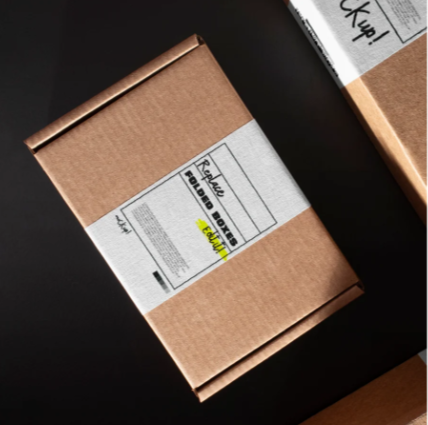
Shipping damage continues to be a recurring issue for many UK-based e-commerce brands, especially those handling high order volumes. Products arriving dented, crushed, or poorly protected can lead to costly replacements, operational delays, and avoidable returns. For procurement managers and packaging buyers, the focus has increasingly shifted toward packaging formats that can handle transit stress without adding unnecessary cost.
One solution that is widely evaluated in this context is the use of cardboard mailer boxes in bulk supply, particularly for brands that need consistent protection across large shipping runs.
Why cardboard mailer boxes reduce transit issues
Cardboard mailer boxes are designed with a self-locking structure that reduces movement inside the packaging. This matters because most shipping damage occurs not from external impact alone, but from internal shifting during handling and transport.
When ordered in bulk, consistency in material thickness and folding structure becomes a key advantage. A reliable supply of uniform packaging reduces the risk of weak batches entering circulation, which is often a hidden cause of uneven damage rates.
Many UK businesses working in retail, subscription services, and promotional fulfillment prefer sourcing in volume through options cardboard mailer box bulk to maintain stable packaging performance across shipments.
Material strength and structural consistency
The protective ability of a mailer box depends heavily on the grade of cardboard used. Single-wall corrugated board is commonly used for lightweight goods, while double-wall options are selected for heavier or fragile items. The fluting structure inside the board acts as a cushion that absorbs shocks during courier handling.
In bulk procurement, buyers are able to specify consistent board grades across production runs. This helps avoid situations where mixed material quality leads to unpredictable damage rates.
For businesses evaluating packaging suppliers, material specification should always be reviewed alongside production standards, especially when scaling order volumes.
The role of packaging design in damage prevention
Design plays a practical role in reducing product movement inside the box. A well-fitted mailer design limits empty space, which is one of the main contributors to product shifting.
Some businesses compare different packaging formats depending on product type:
-
Mailer boxes for general e-commerce shipping
-
Rigid boxes for luxury or heavier items
-
Custom sleeves for layered branding and product grouping
-
Tuck-end boxes for retail-ready lightweight goods
Each format serves a different protection requirement. Mailer boxes tend to be the preferred option for courier-based shipping due to their foldable locking structure and efficient stacking during transit.
Bulk ordering and consistency in supply
Ordering packaging in bulk is not only a cost consideration but also a quality control measure. When production is consolidated into larger runs, manufacturers can maintain tighter tolerances on cutting, folding, and glue application. This reduces variability between batches, which is important for businesses shipping thousands of units per month.
Suppliers offering Printed Custom Mailer Boxes also allow businesses to align packaging design with branding requirements while keeping structural reliability intact. Printed surfaces can be integrated without affecting the integrity of the corrugated material when produced correctly.
Key buying factors that influence damage reduction
Procurement teams typically evaluate several factors before committing to a supplier:
Material grade and durability
Heavier products require higher GSM board strength and reinforced fluting.
Minimum order quantities (MOQ)
Lower MOQs support testing phases, while higher MOQs often reduce unit cost and improve consistency.
Lead times and production reliability
Delayed packaging deliveries can disrupt fulfilment cycles, especially during peak seasons.
Customisation capability
Accurate sizing, internal inserts, and print alignment contribute to better product stability during transport.
Supplier quality control
Consistent inspection processes help ensure fewer defects enter the shipping cycle.
Each of these factors directly impacts how well packaging performs in real shipping environments.
Comparing mailer boxes with other packaging formats
While mailer boxes are widely used for shipping protection, other formats may suit different operational needs. Rigid boxes offer higher presentation value but come at a higher cost per unit. Custom sleeves are often used alongside inner trays but provide limited structural protection on their own. Tuck-end boxes are efficient for shelf placement but are less suitable for rough courier handling.
For many e-commerce operations, mailer boxes strike a practical balance between protection, cost control, and storage efficiency.
Final considerations for procurement teams
When reviewing packaging options, businesses benefit from evaluating real shipping conditions rather than just material samples. Testing different board strengths, box dimensions, and supplier consistency can highlight performance gaps before scaling production.
Cardboard mailer boxes remain a widely used option for reducing damage rates in transit, particularly when sourced in consistent bulk quantities and matched with accurate product sizing.
For businesses assessing packaging suppliers in the UK market, requesting a tailored quotation and sample run can help determine whether a supplier’s production standards align with operational requirements.

 English
 Arabic
 French
 Spanish
 Portuguese
 Deutsch
 Turkish
 Dutch
Dutch
 Italiano
 Russian
 Romaian
 Greek
Greek
