
Designing Circuit Protection Around Real Electrical System Needs
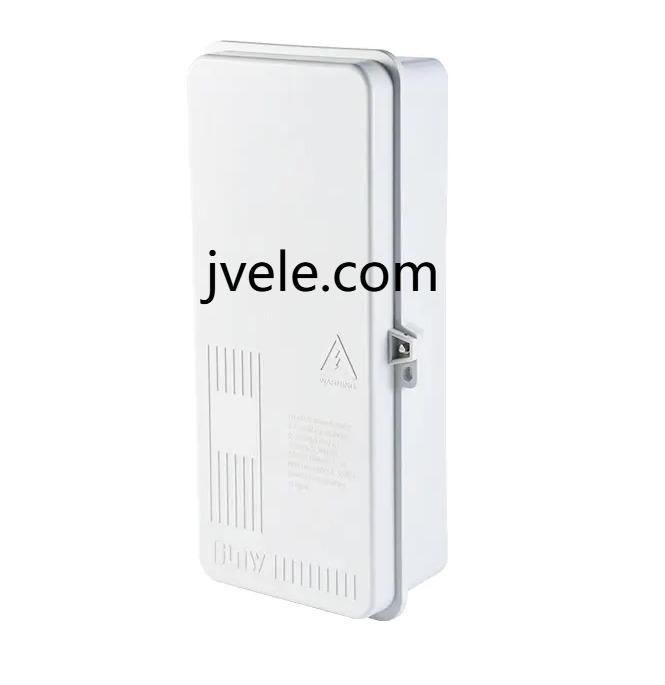
Electrical distribution systems depend on protection devices that respond appropriately to abnormal operating conditions while remaining practical to install and maintain. When engineers evaluate a Molded Case Circuit Breaker, they need to consider how its enclosure, switching mechanism, protective functions, and connection points work together within the wider electrical assembly. The best choice is not simply a product that fits a panel; it is a device suited to the installation's operating requirements and protection strategy.
The enclosure is an important starting point because it provides structural support and electrical insulation around internal components. Molded insulating materials are selected for characteristics such as mechanical strength, heat resistance, and electrical performance. Their role extends beyond creating an external shell: the enclosure helps maintain the intended arrangement of internal parts and provides a barrier against accidental contact. Buyers should therefore consider material suitability and manufacturing consistency alongside the appearance of the finished housing.
Internal components require careful coordination as well. Conductive contacts provide the electrical connection, while the operating mechanism controls how the contacts open and close. Insulating barriers and arc-control structures help manage the conditions created when current is interrupted. Each element contributes to the complete design, so the quality of an individual part cannot fully represent the performance of the entire device. A supplier's approach to component assembly, inspection, and product verification is consequently an important purchasing consideration.
Before choosing a breaker, buyers should map the product to the actual electrical installation. This includes understanding the connected loads, expected operating conditions, available fault information, and coordination with upstream and downstream protective devices. Compatibility with the distribution panel, wiring arrangement, and applicable local requirements also needs to be confirmed. Product descriptions can introduce a device's intended role, but engineering documentation and qualified technical review are necessary to determine whether it is appropriate for a specific application.
Protection coordination deserves particular attention in facilities where different circuits serve different functions. If a fault occurs in one branch, the protection arrangement should be designed to limit disruption where the system's coordination requirements allow it. The breaker must therefore be assessed in relation to other protective equipment rather than in isolation. Engineers may review trip characteristics, available fault conditions, and the behavior of connected devices to develop a suitable arrangement. Final selection should follow relevant electrical standards and professional design practices.
Manufacturing technology influences the consistency of the finished product. Molding helps create the enclosure's intended shape, while metalworking and assembly processes contribute to the movement and connection of internal components. The operating mechanism must function in coordination with the protective system, and the assembled device needs to be checked against defined quality requirements. Controlled production and inspection procedures can help identify defects that might otherwise affect installation or operation. Buyers evaluating suppliers can ask how products are inspected and what documentation is available for the intended market.
Practical handling is another part of product usability. An accessible operating handle, clearly identifiable connection points, and a housing that fits the intended panel arrangement can make installation and operation more straightforward for qualified personnel. Clear product identification also helps technicians distinguish devices during inspection or replacement. These details matter in facilities where electrical equipment is installed among many other components, because understandable layouts can reduce confusion during routine work and support more organized maintenance procedures.
Service planning should begin before the device is installed. Electrical teams need to understand the manufacturer's guidance for inspection, testing, isolation, and replacement. A circuit breaker should not be opened or serviced by unqualified personnel, and any unusual behavior requires assessment by an appropriate professional. Convenient access to terminals and operating features can support approved maintenance activities, but accessibility must never compromise enclosure integrity or electrical safety. Documentation and clear identification are valuable parts of the user experience throughout the product's service life.
Zhejiang Junwei Electric Co., Ltd. manufactures electrical distribution and protection products, including circuit breakers, meter boxes, and fuses. The company describes its work as covering product development, production, and quality inspection. For buyers considering a breaker for a project, communication with the supplier can help clarify product availability, intended applications, relevant technical documents, and market-specific compliance requirements. Providing information about the electrical assembly and installation environment also makes it easier to assess whether a proposed device matches the project's needs.
Visual design contributes to how electrical equipment is organized within an installation. A consistent enclosure finish, clearly arranged operating features, and a form that integrates with the surrounding panel can make a distribution assembly look orderly and easier to identify. Color and surface appearance may also help distinguish equipment categories when used in accordance with the project's labeling practices. However, appearance should support rather than replace technical evaluation. A polished exterior cannot demonstrate the quality of internal contacts, protective mechanisms, or assembly processes.
For contractors, distributors, and equipment manufacturers, breaker selection involves connecting technical documentation with installation realities, service requirements, and product construction. Zhejiang Junwei Electric Co., Ltd. provides information about its electrical protection products and related manufacturing activities at https://www.jvele.com/

 English
 Arabic
 French
 Spanish
 Portuguese
 Deutsch
 Turkish
 Dutch
Dutch
 Italiano
 Russian
 Romaian
 Greek
Greek
