
Understanding Material Compatibility in Custom Component Production
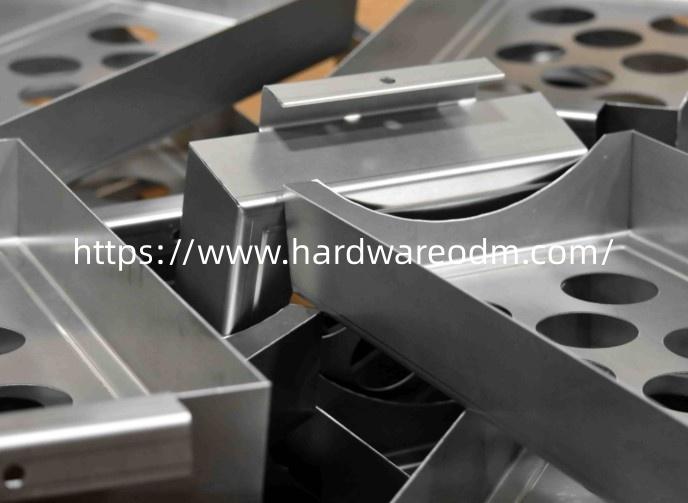
Behind many finished products are carefully developed components that determine how assemblies fit together, move, and withstand everyday use. When selecting Machining Components, product developers need to consider the relationship between material properties, manufacturing processes, installation requirements, and the conditions in which the finished part will operate. A component may look simple on its own, yet its geometry and surface characteristics can influence the reliability, appearance, and serviceability of the larger product.
Material selection should begin with the component's intended role. Steel is frequently used where structural support and resistance to mechanical loading are important. Stainless steel may be suitable for applications exposed to moisture or where corrosion resistance is a consideration. Aluminum alloys can offer a useful balance of weight and machinability, while copper-based materials may be selected for particular electrical or thermal functions. Engineering plastics provide another option when electrical insulation, reduced weight, or specific contact characteristics are needed. The best choice depends on the operating environment and the requirements of the complete assembly.
Material compatibility is equally important. Components may encounter vibration, repeated contact, cleaning agents, humidity, or temperature changes during their service life. A material that performs well under one condition may be less suitable under another. Designers should also consider how the chosen material behaves during cutting, bending, stamping, welding, or finishing. Reviewing these factors early can help avoid unnecessary manufacturing difficulties and support a more practical product design.
A well-planned purchasing process starts with clear application information. Buyers should establish the component's function, connection points, surrounding parts, expected loads, and installation method before requesting quotations. Drawings, physical samples, assembly diagrams, and descriptions of the operating environment can help communicate these requirements. For replacement parts, comparing the proposed component with the original can reveal differences in mounting arrangements or contact surfaces. For new products, early communication between designers and manufacturers can identify features that may be difficult or costly to produce.
Manufacturing methods should be selected according to the part's geometry and intended production process. Machining is useful for shaping material through operations such as milling, turning, drilling, and cutting. Metal stamping can create repeatable forms from sheet material, while bending and forming processes help produce brackets, housings, supports, and other structural parts. Welding can join components into a larger assembly, and finishing processes can improve the surface or prepare a part for further treatment. These methods may be used independently or combined when the design requires different functions.
The choice of manufacturing process affects more than production speed. It can influence material waste, surface quality, structural consistency, and the number of operations required to complete a part. A design that works well in a digital model may need adjustments to suit tooling access, forming direction, machining setup, or assembly sequence. Design-for-manufacturing reviews allow engineers and suppliers to discuss these details before production begins. Such collaboration can help preserve the intended function while making the part easier to manufacture and inspect.
Quality evaluation should address the features that matter to the application. Depending on the component, these may include hole positions, connection surfaces, edge condition, surface finish, alignment, or compatibility with adjacent parts. Visual inspection alone may not be enough when a component has to fit within a larger mechanical or electrical assembly. Buyers should clarify the inspection approach, material identification, drawing approval process, and documentation required for acceptance. Consistent communication about these expectations helps reduce misunderstandings between purchasing, engineering, and manufacturing teams.
Yongkang Ruizan Industry and Trade Co., Ltd. provides metal stamping, mold design, sheet metal processing, forming, and related manufacturing services. Its work includes customized metal components and processed pipe products for different product applications. For businesses developing a new component, sharing drawings or representative samples can help establish the required structure, material direction, and production approach. The company's combination of design consultation and manufacturing services is relevant to projects where part development involves more than selecting an existing standard item.
The experience of assembly technicians and end users should also influence component design. Parts that are easy to position, fasten, inspect, and replace can simplify assembly and routine servicing. Rounded edges may improve handling where sharp corners are unnecessary, while accessible connection points can make installation more straightforward. Clear part identification can also help technicians distinguish similar components during production or maintenance. These practical details are especially useful when a product contains many individually manufactured pieces that must work together.
Surface treatment can affect both service behavior and appearance. Polishing may create a cleaner visual finish, while selected coatings or plating processes may help address corrosion, wear, or contact requirements. Anodizing is an option for certain aluminum components, and other finishes may be chosen according to the base material and intended environment. Treatment should be compatible with the part's function and any subsequent assembly process. Designers should consider whether a coating could affect fit, electrical contact, bonding, or other interfaces before finalizing the specification.
Appearance and structure often develop together during product design. A bracket, enclosure, fitting, or support may need to match the visual style of the finished product while preserving its functional purpose. Shape, exposed edges, surface texture, and the arrangement of fasteners can all influence the final appearance. Custom manufacturing allows these features to be considered alongside installation and production requirements, helping product teams create components that integrate naturally into the overall design.
For companies developing customized hardware, equipment accessories, and fabricated metal products, Yongkang Ruizan Industry and Trade Co., Ltd. offers manufacturing services covering metal processing, stamping, forming, and related component production. Buyers can review its capabilities and discuss drawings, samples, material choices, and finishing requirements when evaluating a project. Further information is available at https://www.hardwareodm.com/product

 English
 Arabic
 French
 Spanish
 Portuguese
 Deutsch
 Dutch
 Italiano
 Russian
 Romaian
 Portuguese (Brazil)
 Greek
