
Dental Tooth Filling Materials Explained
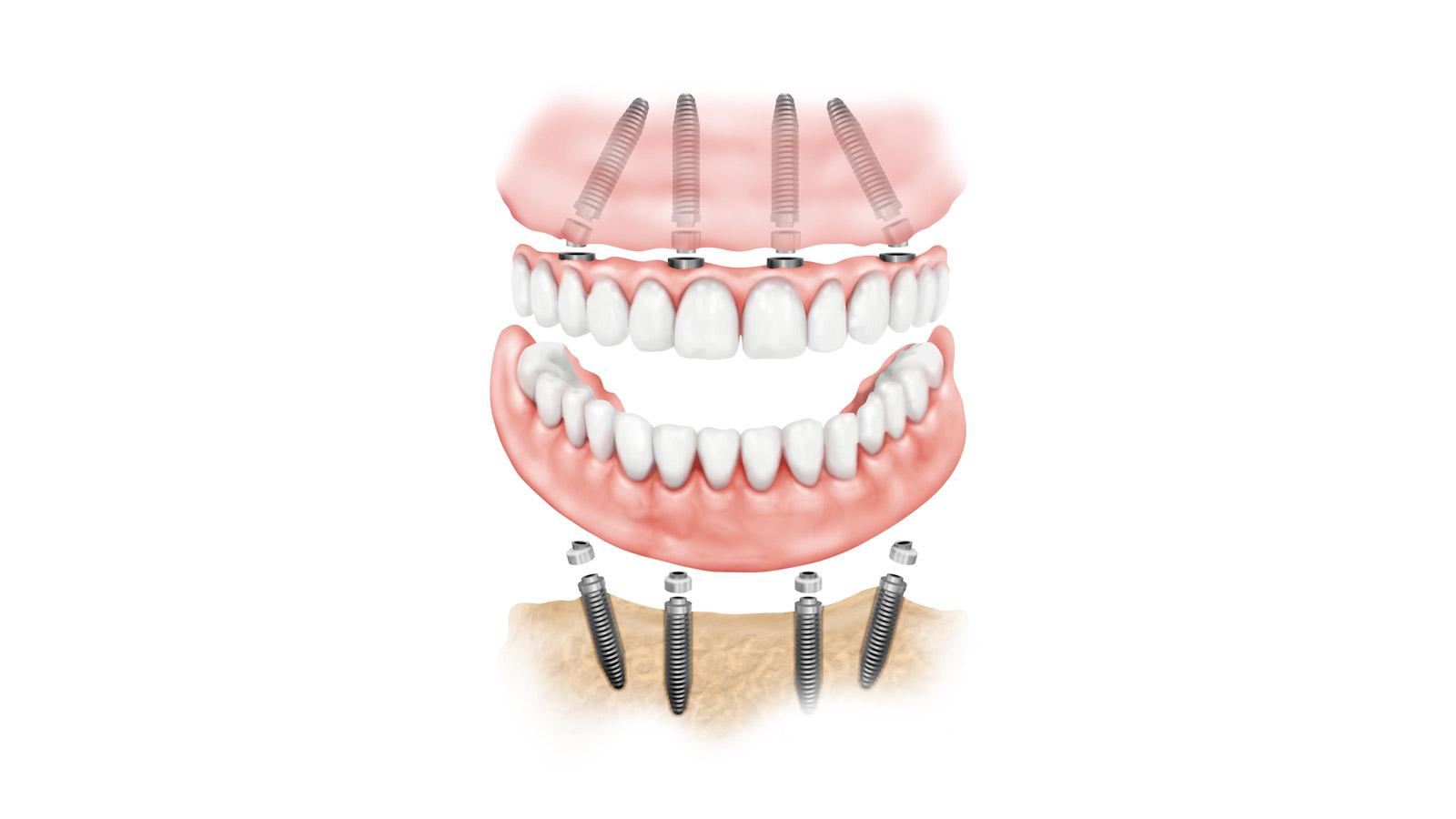
A Dental Tooth Filling is one of the most common treatments used to restore teeth affected by cavities, fractures, or minor wear. While the procedure itself is widely known, many patients are often unaware that different types of filling materials are available, each with its own benefits and uses. Choosing the right material can significantly impact the durability, appearance, and comfort of the restoration. Patients who visit a dental clinic in dubai are usually offered several modern options based on their dental condition, aesthetic preferences, and long-term oral health needs. Understanding these materials helps patients make informed decisions and ensures better treatment outcomes.
Understanding Dental Tooth Filling Materials
Dental filling materials are substances used to replace the decayed or damaged portion of a tooth after cavity removal. These materials restore the tooth’s shape, strength, and function while preventing further bacterial invasion. Over time, advancements in dentistry have introduced stronger, safer, and more aesthetic materials. Today’s Dental Tooth Filling options are designed not only for durability but also for natural appearance and long-term performance.
Composite Resin Fillings
Composite resin is one of the most widely used materials in modern restorative dentistry. It is a tooth-colored material that blends naturally with surrounding teeth, making it ideal for visible areas of the mouth. One of the main advantages of composite fillings is their aesthetic appeal. They can be closely matched to the natural shade of the teeth, creating a seamless restoration. In addition, composite materials bond directly to the tooth structure, which helps preserve more natural enamel.
Patients who prioritize appearance often choose composite fillings because they offer a natural-looking and functional solution.
Amalgam Fillings
Amalgam fillings have been used in dentistry for many decades and are known for their strength and durability. They are made from a mixture of metals, including silver, mercury, tin, and copper.
The main advantage of amalgam fillings is their ability to withstand heavy chewing forces, making them suitable for back teeth where pressure is highest. However, their metallic appearance makes them less popular for visible areas.
Although less commonly used today due to aesthetic preferences, they are still considered a reliable option in certain cases.
Ceramic Fillings
Ceramic fillings, often made from porcelain, are highly aesthetic and durable restorative options. They closely resemble the natural color and translucency of teeth, making them an excellent choice for visible restorations.
One of the key benefits of ceramic materials is their resistance to staining. They maintain their appearance over time and provide long-lasting cosmetic results. Ceramic fillings are also strong enough to withstand normal chewing forces.
Patients seeking a premium Dental Tooth Filling option often prefer ceramic restorations for their natural appearance and durability.
Glass Ionomer Fillings
Glass ionomer fillings are unique because they release fluoride over time, which helps protect the surrounding tooth structure from future decay. This makes them especially useful for patients at higher risk of cavities.
These fillings are often used in children’s dentistry, root surface restorations, and temporary fillings. While they are not as strong as composite or ceramic materials, their preventive benefits are valuable in specific cases.
Choosing the Right Filling Material
Selecting the appropriate material for a Dental Tooth Filling depends on several factors. These include the location of the cavity, the size of the decay, aesthetic requirements, and the patient’s oral health condition.
Front teeth often require more aesthetic materials like composite or ceramic, while back teeth may need stronger materials to handle chewing pressure. A dentist carefully evaluates each case before recommending the most suitable option.
Durability of Filling Materials
The lifespan of a filling depends on both the material used and the patient’s oral hygiene habits. Composite fillings generally last several years, while ceramic and amalgam fillings may last longer with proper care.
Regular dental checkups at a dental clinic in dubai help monitor the condition of fillings and ensure they remain functional and intact over time.
Aesthetic Considerations
Aesthetic appearance is an important factor for many patients when choosing a filling material. Tooth-colored options like composite and ceramic provide natural-looking results that blend seamlessly with surrounding teeth.
These materials are especially beneficial for visible areas, allowing patients to maintain a confident smile without noticeable dental work.
Strength and Functionality
While aesthetics are important, strength and durability are equally crucial. Back teeth are subjected to heavy chewing forces, so stronger materials like amalgam or reinforced composites may be recommended in such cases.
Modern advancements have improved the strength of tooth-colored materials, making them suitable for a wider range of applications.
Importance of Professional Evaluation
A successful Dental Tooth Filling depends on proper diagnosis and material selection. Experienced dentists assess the condition of the tooth and recommend the most appropriate material based on clinical needs.
Professional evaluation ensures that the restoration is both functional and long-lasting.
Advances in Filling Technology
Modern dentistry continues to improve dental materials through research and innovation. New-generation composites offer better strength, bonding ability, and resistance to wear.
Digital dentistry also allows for more precise cavity preparation and restoration, improving overall treatment outcomes.
Maintaining Dental Fillings
Proper oral hygiene is essential for extending the life of dental fillings. Brushing twice daily, flossing regularly, and avoiding excessive sugary foods help prevent new decay around the restoration.
Routine visits to a dental clinic in dubai ensure that fillings are monitored and maintained effectively.
Conclusion
A Dental Tooth Filling is not a one-size-fits-all treatment. Different materials such as composite, amalgam, ceramic, and glass ionomer offer unique benefits depending on the patient’s needs. Understanding these options helps patients make informed decisions and achieve better long-term oral health. With expert guidance from a trusted dental clinic in dubai, patients can receive durable, functional, and aesthetically pleasing restorations that support a healthy smile for years to come.

 English
 Arabic
 French
 Portuguese
 Deutsch
 Turkish
 Dutch
Dutch
 Italiano
 Russian
 Romaian
 Portuguese (Brazil)
 Greek
Greek
