
How to Choose the Best Performance Compression Shirts for Your Workout
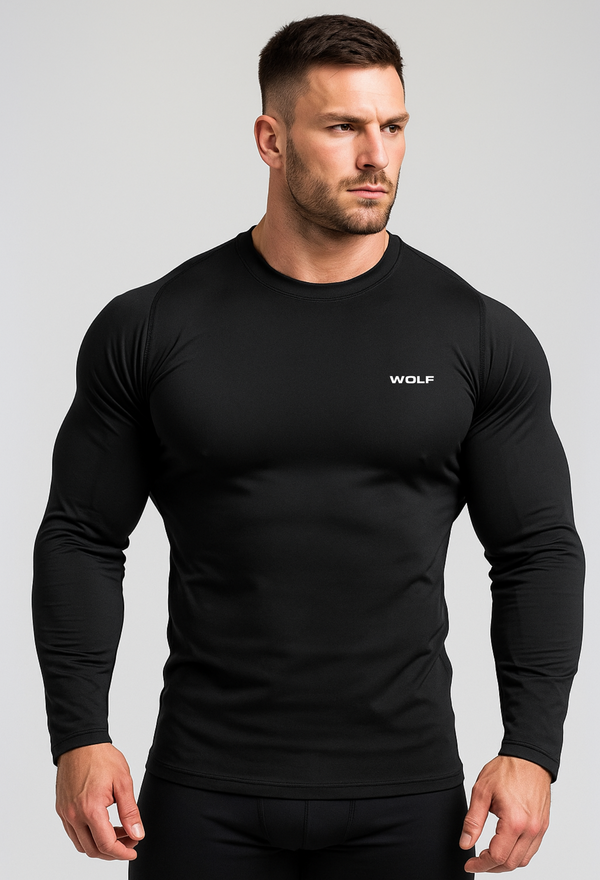
Walk into any sporting goods store and you'll find a wall of tight-fitting athletic tops, each promising better performance, faster recovery, and all-day comfort. But not all gear lives up to the hype. Choosing the right Performance Compression Shirts can make the difference between a workout that feels effortless and one that leaves you chafed, overheated, or distracted.
This guide walks you through exactly what to look for, so you can pick a shirt that fits your body, your sport, and your budget.
1. What Are Performance Compression Shirts?
Performance Compression Shirts are form-fitting athletic tops made from stretchy, moisture-wicking fabric that applies gentle, even pressure to your torso, shoulders, and arms. Unlike a regular fitted tee, they use high-elasticity fibers, usually a blend of polyester, nylon, and spandex, to hold their shape and stay in place during intense movement.
Athletes wear them for several reasons. The light pressure can reduce muscle vibration and fatigue, the fabric pulls sweat away from the skin, and the snug, seamless fit helps prevent chafing. Depending on the fabric weight, a compression shirt can also keep you warm in the cold or cool in the heat. Many people find that compression helps muscles feel better after hard sessions, although research on recovery benefits is mixed.
2. Start With Your Workout Type:
The best shirt for a marathon runner is not necessarily the best for a powerlifter, so the first step is to match the shirt to your primary activity.
2.1 Running and Cycling
For long distances, look for lightweight, breathable fabric with flatlock seams that prevent chafing. Reflective details are a useful bonus for early-morning or evening runs.
2.2 Weightlifting and CrossFit
Choose a durable, thicker fabric that can handle friction from barbells and rope climbs. Strong stitching and a stay-put fit matter more here than ultra-light weight.
2.3 Team Sports
For basketball, football, and soccer, prioritize stretch, moisture-wicking, and a sleeve length that works under a jersey. Durability against tackles and floor contact is also important.
2.4 Yoga, Pilates, and General Fitness
Comfort and four-way stretch come first. A softer feel and a lighter compression level usually work best for these activities.
3. Understand Compression Levels:
Compression is not one-size-fits-all, and most Performance Compression Shirts fall into three general categories.
3.1 Light Compression
Light compression is comfortable for all-day wear and offers gentle support. It is a good choice for beginners and low-impact workouts.
3.2 Medium Compression
Medium compression is the most popular choice. It supports your muscles without restricting breathing or range of motion.
3.3 Firm Compression
Firm compression is designed for high-intensity training or recovery. It should feel snug but never painful or restrictive.
A good rule of thumb is that you should feel supported, not squeezed. If you struggle to take a full breath, or you notice numbness, tingling, or red marks, the shirt is too tight.
4. Check the Fabric:
Fabric determines how a shirt breathes, stretches, and lasts. Polyester blends are durable, quick-drying, and excellent at wicking sweat, while nylon blends feel smooth and soft and are often found in premium options. Spandex, also called elastane, provides the stretch and recovery that keeps the shirt snug, and roughly 10 to 25 percent is typical for effective compression. Merino or other specialty blends are naturally odor-resistant, which suits long sessions and travel.
If you sweat heavily or train several days a week, look for antimicrobial or odor-control treatments. Avoid cotton-heavy compression tops, because cotton absorbs moisture and becomes heavy and uncomfortable.
5. Get the Fit Right:
Fit is where most buyers go wrong. A properly fitting compression shirt should feel snug across the chest, shoulders, and arms without pinching, and it should allow a full range of motion when you reach overhead, rotate, or squat. It should also stay in place without riding up your torso, and the sleeves should end at the wrist or mid-bicep without cutting off circulation.
Always check the brand's sizing chart and measure your chest, waist, and arm length. Sizing varies widely between brands, so if you are between sizes, read customer reviews to see whether a particular shirt runs small or large.
6. Choose the Right Sleeve Style:
Short-sleeve shirts are ideal for warm weather, gym sessions, and wearing under a jersey. Long-sleeve shirts are better for cold weather, sun protection, and extra muscle coverage. Sleeveless shirts give your shoulders and arms maximum freedom and are popular for lifting and hot-weather training. Many athletes own one or two of each to cover different seasons and workouts.
7. Look at Construction and Features:
Small details add up to big differences in comfort. Flatlock or seamless stitching reduces friction and irritation, and mesh ventilation panels in high-sweat areas such as the back and underarms improve airflow. Tagless labels avoid scratching, UPF sun protection helps with outdoor training, and reinforced shoulders and seams improve durability. If you can, turn the shirt inside out, because clean, tidy stitching is usually a sign of solid craftsmanship.
8. Balance Price and Value:
Performance Compression Shirts range from budget-friendly basics to premium technical gear. A higher price often reflects better fabric, construction, and longevity, but it is not always necessary. If you are new to compression wear, start with a mid-priced option from a reputable brand, then upgrade once you know which features matter most to you.
Read reviews with a critical eye. Look for comments about durability after repeated washes, how well the shirt holds its shape, and whether it stays comfortable during real workouts.
9. Care for Your Shirt to Make It Last:
Even the best shirt will not last if it is washed poorly. To protect the elastic fibers, wash it in cold water on a gentle cycle and skip fabric softener, which can clog moisture-wicking fibers. Air dry the shirt or tumble dry it on low heat, and avoid bleach and harsh detergents. With proper care, a quality compression shirt can stay supportive for a year or more of regular training.
10. A Quick Buying Checklist:
Before you check out, ask yourself a few questions. First, does the shirt suit your main workout type, and is the compression level comfortable for you? Second, is the fabric breathable, stretchy, and moisture-wicking, and does it fit snugly without restricting movement? Third, does the sleeve style match your climate and activity, and are the seams and construction high quality? Finally, does the price match the quality and your needs?
11. Final Thoughts:
The best Performance Compression Shirts are the ones that disappear on your body, supporting your muscles and managing sweat so you can focus entirely on your workout. Take the time to match compression level, fabric, fit, and features to how you actually train, and you will end up with a shirt you reach for again and again.

 English
 Arabic
 French
 Spanish
 Portuguese
 Deutsch
 Turkish
 Dutch
Dutch
 Russian
 Romaian
 Portuguese (Brazil)
 Greek
Greek
