
How to Minimize Scarring After Tummy Tuck Surgery
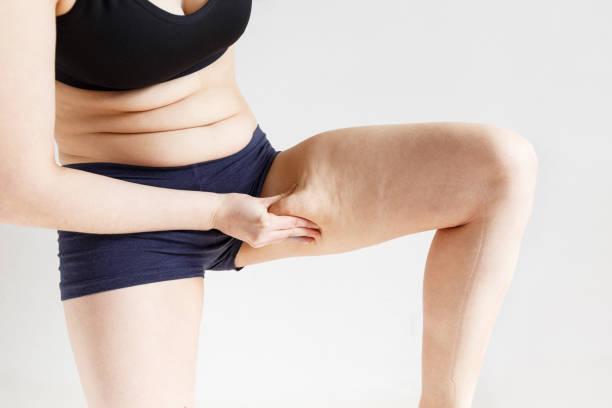
Tummy tuck surgery can help improve abdominal contours by removing excess skin and tightening weakened abdominal muscles when necessary. However, like any surgical procedure, it leaves an incision that develops into a scar during healing. Many patients want to know how they can help their scars heal properly and become less noticeable over time. Tummy tuck surgery in Riyadh (عملية شد البطن في الرياض) may be an option for individuals seeking a firmer abdominal appearance, and understanding proper scar care is an important part of preparing for recovery.
Although a tummy tuck scar is usually permanent, its appearance often improves as it matures. Following your surgeon's instructions, protecting the incision, maintaining healthy habits, and using appropriate scar-care products when approved can support healing. Results vary depending on skin type, genetics, surgical technique, and individual recovery. While scars cannot always be prevented from becoming raised or discolored, consistent aftercare may help make them less noticeable.
Why Does a Tummy Tuck Leave a Scar?
A tummy tuck, medically known as abdominoplasty, involves removing excess abdominal skin and may include tightening separated abdominal muscles. The surgeon typically makes an incision across the lower abdomen, with its length and position depending on the surgical technique and amount of skin removed.
How Scars Develop
After surgery, the body produces collagen to repair the incision. This natural healing process creates scar tissue, which may initially appear red, pink, darker, or firmer than the surrounding skin.
Over time, the scar generally becomes softer and flatter. Scar maturation can take a year or longer, so the appearance during the first few weeks does not necessarily reflect the final result.
Factors That Affect Scarring
Several factors influence how a scar develops, including genetics, skin pigmentation, incision tension, wound healing, and the surgical technique. Smoking, infection, and certain medical conditions may also interfere with healing.
Understanding these factors can help you follow a suitable aftercare routine and recognize when professional advice may be needed.
Follow Your Surgeon's Wound-Care Instructions
One of the most important steps in minimizing noticeable scarring is allowing the incision to heal properly. Your surgeon will provide instructions based on your procedure, wound closure, and recovery progress.
Keep the Incision Clean and Protected
Follow the recommended instructions for cleaning the incision, changing dressings, and showering. Avoid scrubbing the surgical area or applying unapproved products while the wound is healing.
Do not pick at scabs, pull at surgical tape, or remove dressings earlier than instructed. These actions can irritate the incision and interfere with normal healing.
Avoid Excessive Tension on the Incision
Stretching or straining the abdominal area too early can place tension on the healing incision and may contribute to a wider scar. Follow your surgeon's guidance on posture, movement, lifting restrictions, and returning to daily activities.
Wear compression garments only as directed. They may support recovery in selected cases, but they should not be assumed to prevent scarring.
Use Silicone Scar Products When Appropriate
Silicone gel and silicone sheets are commonly used to help manage certain scars. They may improve scar thickness, texture, and appearance for some patients when used consistently.
When to Start Silicone Treatment
Wait until the incision is completely closed and your surgeon confirms that silicone treatment is appropriate. These products should not be placed over an open wound, unhealed incision, or area showing signs of infection.
Your surgeon can recommend a suitable product and explain how often and how long to use it. Results vary, and silicone treatment does not make a scar disappear completely.
Monitor Your Skin's Response
Stop using a product and seek advice if you develop persistent irritation, a rash, or discomfort. Avoid combining multiple scar treatments without professional guidance, especially during the early stages of recovery.
Protect the Scar From Sun Exposure
Sun exposure can make a healing scar more noticeable by contributing to changes in pigmentation. Protecting the area is particularly important while the scar is still developing.
Cover the Healing Area
When practical, keep the scar covered with clothing and follow your clinician's advice about sun protection. Once the incision has healed completely, a broad-spectrum sunscreen may help reduce discoloration on exposed skin.
Avoid applying sunscreen directly to an open or incompletely healed incision. Your medical team can advise when it is safe to begin.
Maintain Healthy Nutrition and Hydration
Good nutrition supports the body's normal tissue repair processes. Although no food or supplement can guarantee a fine scar, a balanced diet can help provide the nutrients needed for healing.
Eat a Balanced Diet
Include protein-rich foods, vegetables, fruits, whole grains, and healthy fats in your regular meals. Protein is particularly important for tissue repair, while vitamins and minerals support normal body functions.
If you have dietary restrictions or nutritional deficiencies, discuss them with a healthcare professional. Do not take high-dose vitamins or supplements specifically for scar prevention unless advised, as some supplements can interfere with medications or increase surgical risks.
Avoid Smoking and Nicotine
Smoking and nicotine can impair blood flow and delay wound healing. Avoid smoking and discuss nicotine use with your surgeon before and after surgery. Follow the recommended cessation period to help reduce healing complications.
Attend Follow-Up Appointments
Regular follow-up appointments allow your surgeon to monitor healing and identify problems early. Seek medical advice if the scar becomes increasingly red, swollen, painful, or warm, or if you notice unusual discharge, wound separation, or fever.
What if the Scar Becomes Raised?
Some scars become thick or raised as they heal. Hypertrophic scars remain within the original wound boundaries, while keloids may grow beyond them. If you notice unusual thickening, persistent itching, or increasing discomfort, consult your surgeon or a dermatologist.
Depending on the scar, treatment may involve silicone products, steroid injections, laser treatment, or other specialist approaches. The most appropriate option depends on the scar's characteristics and your medical history.
What Results Can You Expect?
A tummy tuck scar usually remains visible to some degree, even when healing progresses well. The incision is often placed low on the abdomen so it can be concealed by many underwear and swimwear styles, although the exact location and length vary.
Patience is essential because scar maturation takes time. Tummy tuck surgery in Riyadh may help address excess abdominal skin, but realistic expectations should include the likelihood of a permanent scar and the possibility of individual differences in healing.
Consultation at Royal Clinic Saudia
If you are considering a tummy tuck or have concerns about scar healing, arrange a consultation with Royal Clinic Saudia (عيادات رويال كلينك). A qualified medical professional can explain incision placement, discuss appropriate aftercare, and assess scar-management options based on your skin and recovery needs.
FAQs:
Can a tummy tuck scar disappear completely?
No. A tummy tuck scar is generally permanent, although it often becomes flatter, softer, and less noticeable over time. Proper care may improve its appearance but cannot guarantee complete removal.
When can I start using scar cream after a tummy tuck?
You should wait until the incision has completely closed and your surgeon confirms that scar treatment is appropriate. The timing depends on your healing progress and the product being considered.
Does silicone gel help minimize tummy tuck scars?
Silicone gel or sheets may help improve the appearance of some raised scars when used consistently on fully healed skin. They do not eliminate scars, and results vary.
What should I do if my tummy tuck scar looks unusually red or swollen?
Contact your surgeon if redness, swelling, pain, warmth, or discharge is increasing. Fever, wound separation, or other concerning symptoms also require prompt medical assessment.

 English
 Arabic
 Spanish
 Portuguese
 Deutsch
 Turkish
 Dutch
Dutch
 Italiano
 Russian
 Romaian
 Portuguese (Brazil)
 Greek
Greek
