
Why Transparent Communication Matters When Selecting a Crown Hair Transplant Clinic
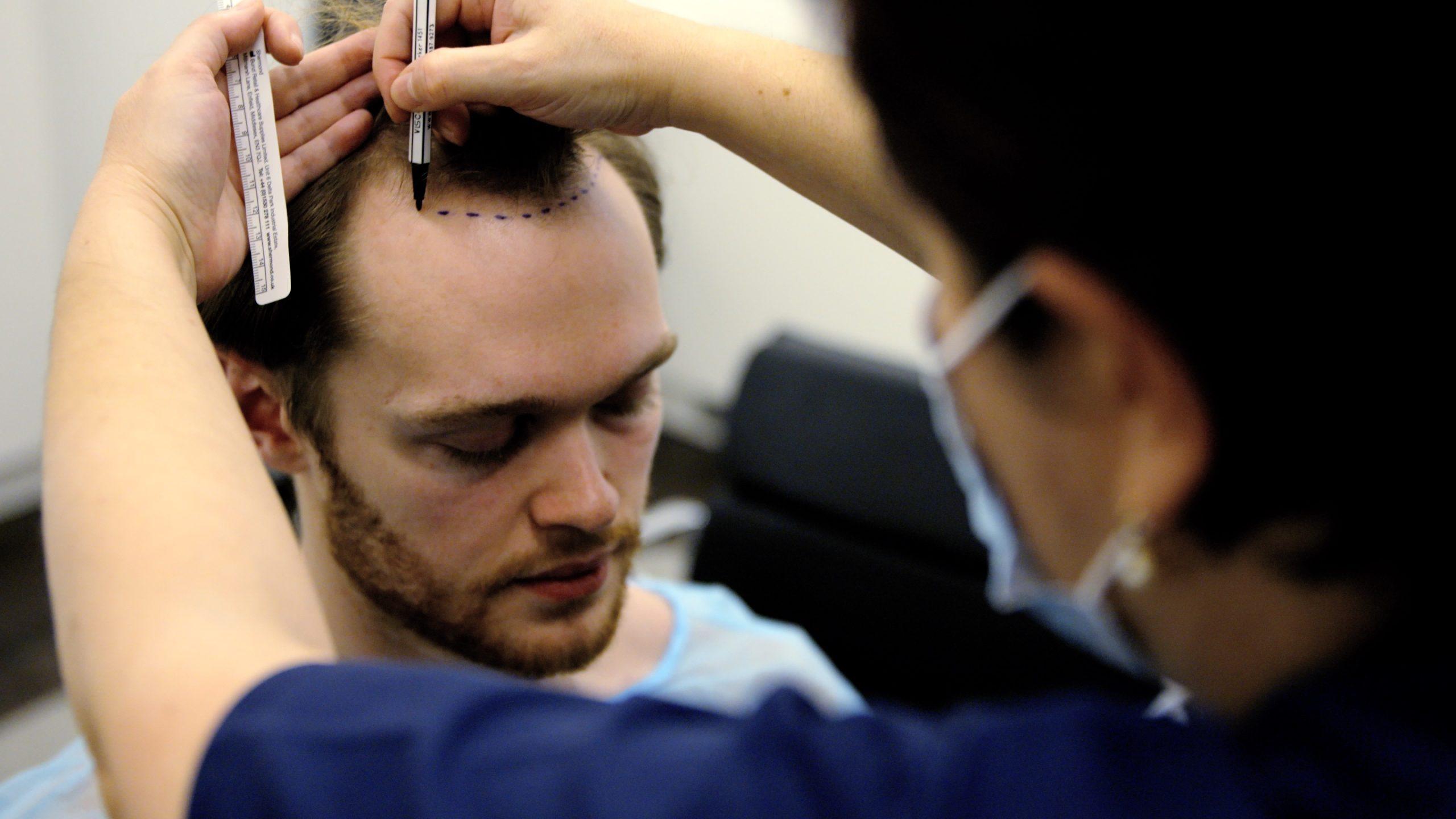
Crown hair loss is a common concern among men and women experiencing thinning hair around the top or back of the scalp. This area, also called the vertex, can gradually become more visible as hair density decreases. Genetics, hormonal changes, age, and certain medical conditions may contribute to this pattern of hair loss.
A Crown Hair Transplant in Islamabad is a hair restoration procedure designed to improve coverage in the crown area by relocating hair follicles from a donor region, usually the back or sides of the scalp. The treatment requires careful planning because the crown has a circular growth pattern that differs from the front hairline.
Understanding the cause of hair loss, the condition of existing hair, and the availability of donor follicles helps determine whether transplantation is an appropriate option.
What Is a Crown Hair Transplant?
A crown hair transplant involves placing healthy hair follicles into areas affected by thinning or baldness. The goal is to create natural-looking coverage while considering the scalp's natural direction of growth.
Two commonly used techniques are:
- Follicular Unit Extraction (FUE): Individual follicular units are extracted from the donor area and implanted into the crown.
- Follicular Unit Transplantation (FUT): A strip of scalp is removed from the donor area, and follicular units are prepared for transplantation.
The suitability of either technique depends on the patient's scalp condition, donor hair density, hair characteristics, and treatment goals. A qualified hair restoration professional can explain the available options during consultation.
Who Is a Suitable Candidate for Crown Hair Restoration?
Not everyone experiencing crown thinning is immediately suitable for surgery. A proper assessment helps establish whether transplantation can provide meaningful, long-term improvement.
Potential candidates may include people who:
- Have noticeable thinning or baldness around the crown.
- Have sufficient healthy donor hair.
- Experience a relatively stable pattern of hair loss.
- Have realistic expectations about coverage and density.
- Are medically suitable for the procedure.
Patients with ongoing hair loss may need medical evaluation or treatment before considering transplantation. Existing hair should also be assessed carefully because transplanting into a thinning area can require a different strategy from treating a completely bald crown.
Why Crown Hair Transplants Require Special Planning
The crown presents unique challenges because hair naturally grows in a spiral or whorl pattern. Incorrect placement or direction can make transplanted hair appear unnatural.
A personalized treatment plan typically considers:
- Natural growth direction: Follicles must be positioned to follow the crown's existing hair pattern.
- Donor hair availability: The number of grafts should be planned according to available donor supply.
- Existing hair preservation: Treatment should account for surrounding hair that may continue to thin.
- Expected density: The crown may require a strategic distribution of grafts rather than uniform placement.
- Future hair loss: Long-term planning can help avoid an uneven appearance if thinning progresses.
The number of grafts required varies from patient to patient. No single graft count or density level is appropriate for everyone.
What Happens During the Treatment?
The process generally begins with a consultation and scalp assessment. The provider reviews the patient's medical history, examines the donor and recipient areas, and discusses achievable results.
The procedure may include the following stages:
- Consultation and planning: The treatment area, donor capacity, and desired coverage are assessed.
- Preparation: The scalp is prepared, and local anaesthesia is generally used.
- Follicle extraction: Hair follicles are collected using the selected technique.
- Implantation: Follicles are placed carefully according to the crown's natural growth pattern.
- Aftercare instructions: The patient receives guidance on washing, sleeping, activity restrictions, and follow-up appointments.
The duration depends on the number of grafts and the technique used. Patients should follow their provider's instructions rather than comparing their treatment schedule with someone else's experience.
Recovery and Expected Results
Recovery varies depending on the procedure and individual healing response. Mild swelling, redness, tenderness, and small scabs may occur during the early healing period.
Important aftercare considerations include:
- Avoid rubbing, scratching, or applying unnecessary pressure to the transplanted area.
- Follow the recommended scalp-washing routine.
- Avoid strenuous exercise until the treating provider advises it is safe.
- Attend scheduled follow-up appointments.
- Contact the clinic if unusual pain, increasing redness, fever, or other concerning symptoms develop.
Transplanted hairs commonly shed during the early weeks, which does not necessarily mean the procedure has failed. New growth often begins after a few months, while visible improvement develops gradually. Many patients assess substantial results around 9–12 months, although crown maturation can take 12–18 months or longer.
Results are not guaranteed, and ongoing hair loss may affect the appearance of surrounding natural hair.
Choosing a Crown Hair Transplant Clinic in Islamabad
Selecting a clinic involves more than comparing advertised prices. Patients should evaluate the provider's qualifications, experience with crown restoration, hygiene standards, consultation process, and follow-up care.
Before proceeding, consider asking:
- Who will perform the extraction and implantation?
- How will the donor area be protected?
- What results are realistic for my crown pattern?
- What complications and limitations should I understand?
- What aftercare and follow-up services are included?
SKN Cosmetics in Islamabad can be considered as a starting point for patients researching hair restoration services. Prospective patients should arrange a consultation to discuss their individual hair loss pattern, available treatment options, provider qualifications, expected outcomes, and recovery requirements. A personalized assessment is important before deciding whether crown hair transplantation is suitable.
Crown Hair Transplant Cost in Islamabad
The cost of a crown hair transplant varies according to the number of grafts required, the chosen technique, donor hair quality, treatment complexity, and the clinic's service arrangements.
Rather than choosing solely on the lowest price, patients should request a clear treatment plan and understand what the quoted fee includes. A consultation can help establish an appropriate graft estimate and explain the expected benefits and limitations.
Frequently Asked Questions
1. Is a crown hair transplant permanent?
Transplanted follicles can provide long-lasting growth, but natural hair may continue to thin.
2. How many grafts are needed for the crown?
The number depends on the size of the thinning area, donor supply, and desired coverage.
3. Is crown hair transplantation painful?
Local anaesthesia helps reduce pain during the procedure, although temporary discomfort may occur.
4. When will I see results?
Early growth may appear after a few months, with fuller results commonly developing over 9–18 months.
5. Can women undergo crown hair transplantation?
Yes, some women may be suitable, depending on the cause of hair loss and donor hair availability.

 English
 Arabic
 French
 Spanish
 Portuguese
 Deutsch
 Turkish
 Dutch
Dutch
 Italiano
 Romaian
 Portuguese (Brazil)
 Greek
Greek
