
Why Electric Diffusers and Sensory Home Experiences Are Defining Air Care in the Netherlands
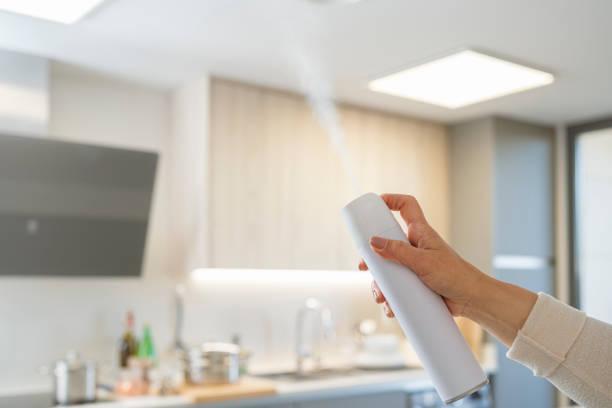
Air care in the Netherlands is increasingly moving beyond conventional odour removal toward products designed to influence ambience, comfort, and the overall sensory experience of indoor spaces. Consumers are showing interest in fragrances and formats that can create calming, energising, or premium-feeling environments. Electric diffusers, essential-oil mists, refillable systems, and multifunctional products are consequently becoming relevant to households seeking both practical fragrance delivery and lifestyle benefits.
According to a Vyansa Intelligence report, the Netherlands air freshener sector was valued at USD 95 million in 2025 and is projected to reach USD 100 million by 2032, representing a 0.74% CAGR during 2026–2032. The Netherlands air freshener market analysis highlights indoor air awareness, sensory experiences, electric formats, multifunctional products, and changing retail preferences as important influences on the category.
Fragrance Is Becoming Part of the Indoor Experience
Consumers are increasingly connecting air care with the atmosphere they want to create inside their homes. Rather than choosing products only when an unpleasant odour appears, households can incorporate fragrance into everyday routines intended to make living spaces feel more comfortable or distinctive.
In this report, ambience and sensory experience emerge as important themes. Fragrances associated with relaxation, energy, or a premium home environment give manufacturers opportunities to position air-care products around specific experiences instead of relying entirely on traditional deodorising functionality.
Electric Diffusers Support Continuous Scent Delivery
Electric air fresheners are particularly relevant because they can provide prolonged and relatively consistent fragrance delivery. Essential-oil mists and electric diffusers also fit the movement toward products that consumers associate with wellbeing and mood-oriented home environments.
The latest market analysis identifies electric air fresheners as an important product type. Starter kits and refillable systems add another dimension by allowing households to continue using the same device while replacing fragrance refills over time.
Wood Fragrances Bring a Natural Character Indoors
Fragrance selection is an important part of air-care purchasing because different scents create very different impressions within a room. The supplied research identifies wood as a prominent fragrance preference in the Netherlands, connecting with consumer interest in natural and homely scent profiles.
The Netherlands air freshener industry report therefore shows why fragrance development can be as important as delivery technology. Wood, floral, lavender, vanilla, lemon, mint, and other scent profiles allow consumers to select products according to the atmosphere they want to establish rather than treating fragrance as a standardized feature.
Multifunctional Products Move Beyond Basic Odour Removal
Air-care products are increasingly being designed around more than one perceived benefit. Fragrance delivery can be combined with concepts associated with relaxation, mood enhancement, energy, or a broader sense of home wellbeing.
These detailed market insights indicate opportunities for manufacturers to develop products around a more complete sensory experience. Electric diffusers and essential-oil mists fit particularly well with this approach because their format allows fragrance delivery to become an ongoing part of the home environment.
Indoor Air Awareness Requires a Clear Distinction
Air fresheners influence how indoor spaces smell, but fragrance should not be confused with indoor air quality itself. Dutch research from the National Institute for Public Health and the Environment (RIVM) has examined volatile organic compounds and other substances in residential indoor air, including the relationship between indoor concentrations and ventilation.
This distinction is useful for broader industry analysis. Air-care products can provide fragrance and odour-management benefits, while indoor air conditions depend on wider factors. Product communication is therefore stronger when sensory benefits are described accurately rather than implying that fragrance alone determines indoor environmental quality.
Fragrance Ingredients Make Product Information Important
RIVM has also investigated fragrance allergens in scented consumer products, including air fresheners. Its research examined consumer exposure to fragrance substances and noted that scented products can contain fragrance allergens, although the assessment found respiratory-allergy risk unlikely for the substances studied while acknowledging uncertainty in available testing methods.
An air freshener market research report can therefore consider formulation and consumer information alongside scent performance. Fragrance remains central to the category, but transparent instructions and appropriate product use are important when products contain chemical substances or perfumes.
Offline Stores Keep Scent Discovery Physical
Air fresheners are inherently sensory products, giving physical retail an advantage that many other household categories do not have. Consumers can compare formats directly, examine electric starter kits, and experience unfamiliar fragrances before deciding which product best suits their preferences.
The supplied research identifies offline retail as an important channel in the Netherlands. Supermarkets, hypermarkets, and specialist stores can support comparison and immediate purchasing, particularly for premium electric products and multifunctional devices that consumers may prefer to evaluate before buying.
E-Commerce Adds Convenience to Refill Purchasing
Online retail offers a different advantage by making product comparison, discounts, specialist fragrances, and repeat purchasing more convenient. This can be especially useful for consumers who already own an electric diffuser and know which refill or fragrance they prefer.
Digital channels can also provide greater visibility for distinctive air-care concepts that may receive limited physical shelf space. Clear descriptions of fragrance character, compatible devices, product format, and intended use become particularly important when consumers cannot experience the scent before ordering.
Private Labels Keep Value Part of the Conversation
Premium sensory experiences are only one side of the category. The supplied research also identifies private-label products as relevant for price-conscious consumers, particularly within spray and gel formats.
This creates a varied competitive environment where consumers can choose between straightforward value-oriented products and more elaborate electric or wellness-positioned formats. Successful differentiation therefore depends on understanding whether a consumer prioritizes affordability, fragrance experience, convenience, or multifunctionality.
Sensory Value Is Giving Dutch Air Care a New Direction
The Netherlands air-care landscape increasingly combines electric diffusion, refillable formats, distinctive fragrances, multifunctional positioning, sensory experiences, and flexible retail channels. These developments show how a familiar household category can evolve by responding to changing expectations around atmosphere and convenience.
According to this air freshener industry report, the supplied figures indicate modest development through 2032. Products that deliver reliable fragrance while offering clearly differentiated sensory experiences, convenient formats, or practical refill systems can remain relevant as Dutch consumers become more deliberate about the atmosphere they create within their homes.

 English
 French
 Spanish
 Portuguese
 Deutsch
 Turkish
 Dutch
Dutch
 Italiano
 Russian
 Romaian
 Portuguese (Brazil)
 Greek
Greek
