
Material Engineering for Modern Farm Spraying
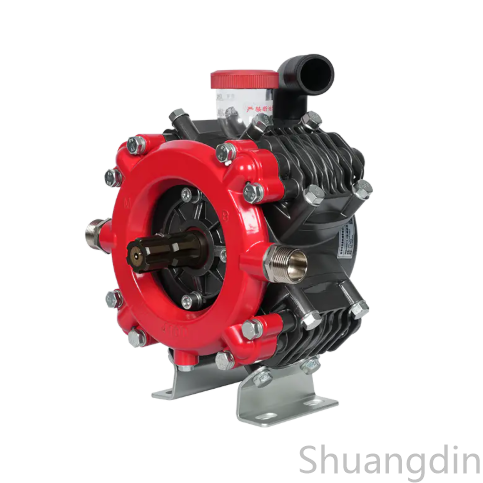
Agricultural spraying equipment combines fluid transfer, distribution, and application technologies to support crop care across different farming environments. The design of an Agricultural Sprayer Pump involves more than moving liquid through a pipeline. Diaphragm materials, valve construction, sealing performance, internal passages, and manufacturing consistency all influence how effectively the pump integrates with the wider spraying system. Understanding these factors helps equipment manufacturers develop practical fluid-handling solutions for agricultural applications.
The diaphragm is a central component in many agricultural pumping systems. During operation, its movement changes the volume of the pumping chamber, creating the conditions required to draw liquid inward and discharge it through the outlet. This repeated movement places mechanical demands on the diaphragm, making flexibility and fatigue resistance important material considerations. Engineers also need to evaluate the expected fluid environment before choosing a material for the working component.
Agricultural spraying liquids can differ in chemical composition and physical characteristics. Water-based mixtures, crop protection formulations, and cleaning solutions may interact differently with elastomers and other fluid-contacting materials. A suitable material selection process considers chemical compatibility, resistance to repeated deformation, and stability under the intended operating conditions. These considerations can help maintain consistent component behavior during regular use.
Valve construction works alongside diaphragm movement to regulate fluid direction. Inlet and outlet valves control the passage of liquid through the pumping chamber, helping establish the intended operating cycle. Their geometry, seating surfaces, and material characteristics affect how consistently they interact with surrounding components. Manufacturing accuracy is important because variations in valve shape or seating condition can influence the performance of the complete assembly.
Sealing technology also contributes to fluid-system integrity. Seals help prevent unwanted leakage around connections and moving components while maintaining separation between internal areas. Agricultural machinery may encounter dust, moisture, vibration, and chemical residues during operation. Selecting suitable sealing materials requires consideration of both the handled fluid and the surrounding environment. Correct installation is equally important because even compatible materials depend on appropriate positioning and contact.
The internal fluid pathway deserves careful attention during design. Liquid travels through the inlet, pumping chamber, valve areas, and discharge passage before entering the wider distribution network. Passage geometry and surface characteristics can influence resistance and the movement of liquid through the assembly. Thoughtful internal design can also reduce areas where residues might accumulate, making routine cleaning more manageable when equipment handles different agricultural formulations.
Manufacturing processes determine how consistently these design features are reproduced. Molding can help establish repeatable diaphragm geometry, while controlled machining supports consistency in valve and housing components. Assembly procedures need to maintain the intended relationship between each component. Quality inspections throughout production can help identify material defects, dimensional variation, and assembly inconsistencies before completed pumps are incorporated into agricultural machinery.
Mechanical integration is another important consideration. Agricultural equipment may operate across uneven terrain and encounter vibration, dust, humidity, and temperature changes. The pump housing, mounting structure, and fluid connections should therefore work together within the larger machine. Secure connections and accessible maintenance areas can make the equipment easier to inspect and service. Considering these practical requirements during development can help reduce avoidable difficulties during installation and routine operation.
Filtration and fluid cleanliness also influence component condition. Foreign particles entering the pumping system may interfere with valve movement or contribute to wear on internal surfaces. Appropriate filtration can help reduce contamination, while regular cleaning can limit residue accumulation. Cleaning procedures should be compatible with the materials used in diaphragms, valves, seals, and housing components to avoid unnecessary deterioration.
Maintenance planning should be part of the equipment design process rather than an afterthought. Regular inspection can help identify visible wear, leakage, contamination, or changes in normal operation. Diaphragms, valves, and seals experience repeated movement or fluid exposure, so their condition can affect the wider system. Clear maintenance procedures allow operators to incorporate inspection and cleaning into routine agricultural equipment care.
The development of an Agricultural Sprayer Pump requires coordinated decisions about materials, mechanical construction, fluid pathways, manufacturing quality, and maintenance. Evaluating these factors together helps manufacturers integrate pumping technology into practical crop spraying systems. For more information about agricultural diaphragm pump technology and manufacturing capabilities, visit SHUANG DIN Co Ltd at https://www.agriculturaldiaphragmpump.com/about/.

 English
 Arabic
 French
 Spanish
 Portuguese
 Deutsch
 Turkish
 Dutch
Dutch
 Russian
 Romaian
 Portuguese (Brazil)
 Greek
Greek
