
Wrongful Diagnosis Lawsuit: What Patients Should Know About Legal Claims
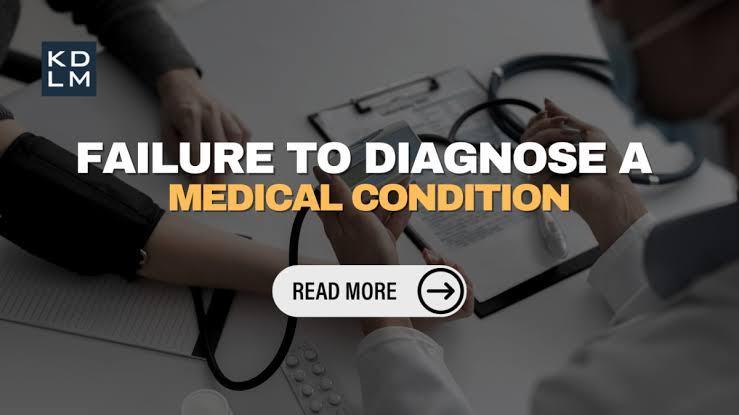
Receiving an incorrect medical diagnosis can be deeply disruptive. A patient may undergo unnecessary treatment, take medications that are not appropriate for the actual condition, or lose valuable time before receiving the correct diagnosis. When a diagnostic mistake results in significant harm, patients and families may question whether the error could have been prevented.
A wrong diagnosis, however, does not automatically establish medical malpractice. Healthcare providers often make difficult decisions based on the symptoms, test results, medical history, and information available at the time. A potential legal claim generally requires evidence that the provider failed to meet the applicable standard of care and that the failure caused or contributed to the patient's injury.
What Is a Wrongful Diagnosis?
A wrongful diagnosis occurs when a healthcare provider identifies a condition incorrectly or fails to recognize the condition actually affecting the patient. The consequences can vary considerably depending on the nature of the underlying illness or injury.
Some diagnostic errors may lead to unnecessary procedures or medications. Others may delay appropriate treatment and allow a condition to become more serious.
Potential examples can include:
-
Misinterpreting diagnostic test results
-
Overlooking significant symptoms
-
Failing to order appropriate testing
-
Misidentifying one condition as another
-
Failing to follow up on abnormal results
-
Delaying a necessary specialist referral
Whether any of these circumstances amounts to negligence depends on the facts and applicable professional standards.
When Can a Wrong Diagnosis Become Medical Malpractice?
A medical malpractice claim generally requires more than proving that the original diagnosis was incorrect. The key issue is whether the healthcare provider acted consistently with the standard of care that applied under the circumstances.
A legal and medical review may examine what symptoms the patient reported, what information was available, what tests were performed, how results were interpreted, and what treatment or follow-up was recommended.
Causation is equally important. Even if a healthcare provider made an error, the patient may need to demonstrate that the error caused or contributed to an identifiable injury.
This distinction prevents every unsuccessful medical decision from automatically becoming a malpractice claim.
How a Wrong Diagnosis Can Harm Patients
The consequences of diagnostic errors can extend well beyond the initial medical visit. A patient may undergo unnecessary treatment while the actual condition remains untreated.
A delayed correct diagnosis may result in additional procedures, prolonged recovery, increased medical expenses, or permanent complications. Patients may also experience lost wages, reduced earning capacity, and significant disruptions to their personal lives.
The legal significance of these consequences depends on their connection to the alleged medical error. Documentation showing additional treatment and financial losses can therefore become important during a case evaluation.
Medical Records Can Tell an Important Story
Medical records can help reconstruct what happened during a patient's care. They may contain information about symptoms, examinations, diagnoses, laboratory testing, imaging, prescriptions, referrals, and follow-up instructions.
Relevant records may include:
-
Physician and specialist notes
-
Hospital and emergency department records
-
Laboratory reports
-
Imaging results
-
Medication histories
-
Referral documentation
-
Surgical records
-
Follow-up treatment records
Electronic health records may also contain timestamps showing when information was entered or when test results became available.
Patients should preserve relevant records and documentation of medical expenses whenever possible. A chronological account of appointments, symptoms, diagnoses, and subsequent treatment can also help clarify the sequence of events.
Why Expert Medical Review Matters
Diagnostic cases frequently involve questions that require specialized medical knowledge. A qualified expert can examine the records and evaluate whether the healthcare provider's conduct was consistent with the applicable standard of care.
Expert review may also address whether an earlier or different diagnosis would reasonably have changed the patient's treatment or outcome.
This analysis is important because hindsight can make a diagnosis appear simpler than it actually was. A proper evaluation should consider the information that was reasonably available to the provider at the time, rather than judging the decision solely by what became known later.
Diagnostic Technology and Medical Care in 2026
Healthcare technology continues to evolve. Advanced imaging, electronic medical records, telehealth, laboratory automation, and clinical decision-support systems can provide additional information during the diagnostic process.
These technologies may also produce extensive digital documentation. Test results, electronic communications, referrals, and timestamps can sometimes help establish what information was available and how it was handled.
Technology does not eliminate the possibility of diagnostic mistakes, nor does its presence automatically establish negligence. Medical professionals still must exercise appropriate judgment based on the circumstances and available information.
What Should You Do After a Suspected Diagnostic Error?
Patients who believe they received an incorrect diagnosis should prioritize obtaining appropriate medical care. If symptoms continue or worsen, seeking another qualified medical opinion may be important.
After immediate medical needs are addressed, patients can organize their documentation. Medical records, diagnostic results, prescriptions, hospital bills, and records of additional treatment may all become relevant.
It can also help to maintain a written timeline of important events. Include dates of medical visits, symptoms, tests, diagnoses, treatments, and when the correct condition was eventually identified.
Patients should avoid making assumptions about negligence before the records have been reviewed. A serious complication can have several possible causes, and a professional assessment is often necessary.
When Should You Consider Legal Guidance?
If an incorrect or delayed diagnosis caused substantial additional treatment, permanent injury, financial losses, or other serious consequences, consulting a medical malpractice attorney may help clarify whether further investigation is appropriate.
An attorney can review the circumstances, identify potentially relevant evidence, and explain whether expert medical review may be necessary. Legal counsel can also discuss applicable deadlines and procedural requirements.
Individuals considering a wrongful diagnosis lawsuit should not unnecessarily delay seeking advice. Important records may become harder to obtain over time, and legal deadlines can affect the ability to pursue a claim.
Understanding Your Options After a Diagnostic Error
A diagnostic mistake can leave patients facing both physical consequences and uncertainty about what happened. Determining whether the mistake represents medical negligence requires a careful review rather than an assumption based solely on the outcome.
The standard of care, medical records, expert opinions, causation, and resulting damages may all be relevant. These factors can help distinguish an unavoidable diagnostic challenge from a situation that may justify legal action.
For patients who believe a serious diagnostic error caused preventable harm, obtaining qualified legal guidance can help them understand their rights and evaluate whether a wrongful diagnosis lawsuit may be appropriate based on the facts of their individual situation.

 English
 French
 Spanish
 Portuguese
 Deutsch
 Turkish
 Dutch
Dutch
 Italiano
 Russian
 Romaian
 Portuguese (Brazil)
 Greek
Greek
