
How Trusted Clinics Support Patients Through Jaw Surgery in Islamabad
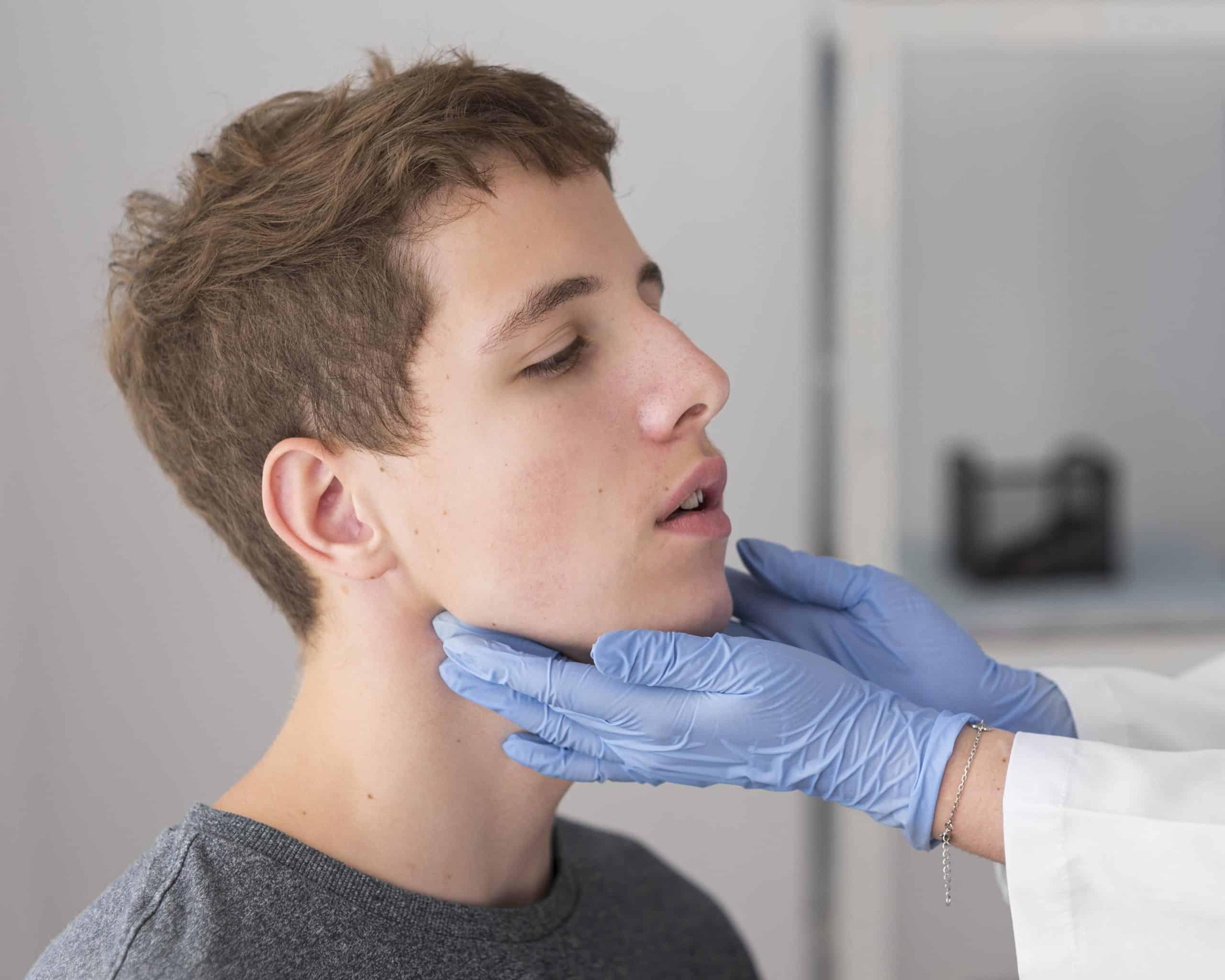
Jaw surgery is a significant procedure that can improve facial balance, bite function, chewing, speech, and overall oral health when it is recommended for the right patient. Because the treatment may involve detailed planning, surgical intervention, and a structured recovery period, choosing a trusted clinic is an important part of the patient journey.
A reliable clinic does more than perform surgery. It supports patients through consultation, diagnosis, treatment planning, preparation, surgery, aftercare, and follow-up. Understanding how this support works can help patients make informed decisions when considering jaw surgery in Islamabad.
Summary
Trusted jaw surgery clinics generally support patients by:
- Performing a detailed initial assessment
- Explaining treatment options and expected outcomes
- Reviewing medical and dental history
- Using appropriate imaging and diagnostic information
- Creating an individualized treatment plan
- Providing clear pre-operative instructions
- Maintaining appropriate surgical and safety standards
- Monitoring patients during recovery
- Scheduling follow-up appointments
- Answering questions throughout the treatment journey
Thorough Patient Assessment
The first step in responsible jaw surgery care is a comprehensive assessment. A trusted clinic does not recommend surgery simply because a patient wants to change their facial appearance.
The assessment may consider:
- Jaw structure and facial proportions
- Dental alignment and bite
- Chewing or functional concerns
- Facial symmetry
- Medical history
- Previous dental or surgical procedures
- Current medications
- Overall suitability for surgery
Depending on the individual case, the healthcare team may also recommend appropriate imaging or dental evaluations. These details help clinicians understand the underlying concern before developing a treatment strategy.
Clear Explanation of Treatment Options
Patients often have questions about what jaw surgery involves, how it may affect facial appearance, and what recovery could be like. Trusted clinics make time to explain these aspects rather than rushing patients into a decision.
During consultation, patients should receive understandable information about:
- The purpose of the proposed procedure
- Potential benefits
- Possible limitations
- Expected recovery
- Possible risks and complications
- Alternative treatment options when appropriate
- Follow-up requirements
Good communication allows patients to develop realistic expectations. It also gives them an opportunity to ask questions and discuss concerns before making a decision.
Personalized Treatment Planning
Every patient's facial structure and functional needs are different. For this reason, jaw surgery should be approached as an individualized treatment rather than a one-size-fits-all procedure.
A personalized plan may consider the patient's facial proportions, bite relationship, dental alignment, functional concerns, and desired outcome. Where appropriate, diagnostic imaging and other assessments can contribute to surgical planning.
The objective should be to create a medically appropriate plan that balances function, facial harmony, safety, and the patient's individual needs.
Patient Education Before Surgery
Preparation can make the treatment process easier for patients. Trusted clinics provide instructions before surgery and explain what patients should expect.
Pre-operative guidance may cover:
- Medication instructions
- Eating and drinking requirements before surgery
- Hygiene recommendations
- Arrangements for transportation and post-operative support
- Expected time away from work or daily activities
- Recovery considerations
- Warning signs that require medical attention
Patients should feel comfortable asking for clarification if any instruction is unclear.
Focus on Safety and Professional Standards
Safety is one of the most important characteristics of a trustworthy surgical clinic. Appropriate patient selection, professional assessment, sterile practices, qualified healthcare professionals, and suitable facilities all contribute to responsible surgical care.
Patients can ask about the qualifications and experience of the healthcare professional performing the procedure, the facility where surgery will take place, and how complications are managed if they occur.
A trustworthy clinic should also discuss potential risks honestly rather than presenting surgery as completely risk-free.
Supporting Patients During Recovery
Recovery does not end when the surgical procedure is completed. Patients may need guidance about swelling, discomfort, oral hygiene, diet, physical activity, and follow-up care.
A structured recovery plan can help patients understand what is normal during healing and when they should contact their healthcare provider.
Depending on the procedure, aftercare may include:
- Scheduled follow-up visits
- Instructions for oral care
- Dietary guidance
- Medication instructions
- Activity restrictions
- Monitoring of healing
- Assessment of functional and aesthetic progress
Regular communication can provide reassurance while allowing the clinical team to identify concerns that require attention.
Transparent Communication About Results
An experienced clinic should help patients understand that healing takes time. Initial swelling or temporary changes may make it difficult to judge the final result immediately after surgery.
Instead of promising a specific outcome, responsible professionals discuss realistic expectations and explain that results can vary according to individual anatomy, treatment complexity, healing response, and adherence to aftercare instructions.
This approach reflects patient-centered care and supports informed decision-making.
Choosing SKN Cosmetics in Islamabad
For patients researching jaw-related cosmetic and surgical care, SKN Cosmetics in Islamabad can be considered as part of the clinic-selection process. Patients should evaluate a clinic based on factors such as professional expertise, consultation quality, treatment planning, facility standards, patient communication, and follow-up support rather than choosing solely on promotional claims.
Before proceeding, patients should have a proper consultation to determine whether jaw surgery is appropriate for their specific concerns. A qualified healthcare professional can assess individual needs and explain suitable options, expected recovery, and potential risks.
What Should Patients Ask Before Jaw Surgery?
Asking questions during consultation can help patients make a more informed decision. Useful questions include:
- What is the main goal of my proposed surgery?
- Am I a suitable candidate?
- Are there non-surgical or alternative options?
- What assessments or imaging are required?
- What should I expect during recovery?
- What complications should I know about?
- How many follow-up visits may be required?
- What symptoms should prompt immediate medical attention?
Taking notes during the consultation can also help patients remember important instructions.
A Patient-Centered Approach Builds Trust
Trust develops when patients receive accurate information, realistic expectations, personalized planning, and consistent support. A clinic should encourage patients to participate in decisions rather than making them feel pressured.
For complex procedures such as jaw surgery, patients may need time to consider their options. A good consultation should therefore focus on education and understanding as much as treatment.
The best approach is to select a healthcare provider who prioritizes patient safety, appropriate assessment, clear communication, and long-term follow-up.
FAQs
Is jaw surgery safe?
Jaw surgery can be performed safely when appropriately planned and carried out by qualified professionals, but like any surgery, it has potential risks.
How is jaw surgery planned?
Planning may involve clinical assessment, dental evaluation, facial analysis, and appropriate imaging to develop an individualized treatment approach.
How long does jaw surgery recovery take?
Recovery varies depending on the procedure and individual healing. Your healthcare provider can provide a personalized recovery timeline.
What should I ask during a jaw surgery consultation?
Ask about suitability, treatment options, expected results, risks, recovery, aftercare, and follow-up appointments.
Can jaw surgery improve facial appearance?
In appropriate cases, jaw surgery can change facial proportions while also addressing certain functional or bite-related concerns.

 English
 Arabic
 French
 Spanish
 Portuguese
 Deutsch
 Turkish
 Dutch
Dutch
 Italiano
 Romaian
 Portuguese (Brazil)
 Greek
Greek
