Healthy-looking skin is often associated with an even tone, smoother appearance, and a fresh, radiant complexion. However, sun exposure, pigmentation, acne marks, and natural skin changes can gradually affect how the skin looks. q switched laser is a targeted laser approach that can address certain pigment-related concerns while supporting a more refreshed and balanced-looking complexion.
Q-switched laser technology uses short, controlled pulses of energy to target specific pigment within the skin. By helping break excess pigment into smaller particles, the treatment supports the body's natural process of clearing unwanted discoloration. As pigmentation becomes less noticeable, the skin may appear more uniform and revitalized. Q-switched Laser Treatment in Riyadh can therefore be considered as part of a personalized skin-rejuvenation plan for suitable candidates.
What Is Q-switched Laser Treatment?
Q-switched laser treatment is a technology designed to deliver high-energy laser pulses in very short durations. The energy can be absorbed by targeted pigment while minimizing unnecessary treatment of surrounding skin.
A Targeted Approach to Pigmentation
The treatment is particularly useful when visible discoloration is concentrated in specific areas. Instead of relying only on topical products, laser energy can directly target selected pigment.
Personalized Treatment Planning
Every person's skin and pigmentation concerns are different. A professional assessment helps determine the appropriate treatment approach based on skin type, pigmentation characteristics, treatment area, and individual goals.
How Q-switched Laser Supports Skin Rejuvenation
Skin rejuvenation is not limited to reducing the appearance of wrinkles. Improving uneven pigmentation and discoloration can also make the complexion look healthier and more refreshed.
Promotes a More Even Skin Tone
Uneven pigmentation can make the complexion appear patchy or dull. By targeting certain areas of excess pigment, Q-switched laser treatment may help create a more consistent-looking skin tone.
Reduces the Appearance of Dark Spots
Sun spots, certain freckles, and other localized areas of pigmentation may become less noticeable following appropriate laser treatment. The degree of improvement depends on the underlying cause and characteristics of the pigmentation.
Supports a Brighter-Looking Complexion
When prominent discoloration is reduced, the overall complexion may appear brighter and more refreshed. This can contribute to a rejuvenated appearance without changing the natural character of the skin.
Pigmentation Concerns That May Be Addressed
Q-switched Laser Treatment in Riyadh may be considered for a variety of pigmentation concerns following a professional evaluation.
Sun-Related Spots
Frequent UV exposure can stimulate melanin production and contribute to visible sun spots. Targeted laser treatment may help reduce the appearance of certain sun-related discoloration.
Post-Acne Marks
Acne can sometimes leave behind brown or dark marks after the original inflammation has resolved. When these marks are primarily pigment-related, laser treatment may be considered as part of a suitable treatment plan.
Freckles and Uneven Pigmentation
Some freckles and areas of uneven pigmentation can respond to pigment-targeting laser technology. However, ongoing sun exposure can influence pigmentation over time, making sun protection an important part of maintaining results.
Benefits Beyond Pigmentation
Although Q-switched laser technology is commonly associated with pigmentation concerns, improving discoloration can contribute to several visible aspects of skin appearance.
A More Refined Complexion
Reducing noticeable areas of discoloration can help the skin appear more balanced. This may make the complexion look cleaner and more refined.
Enhanced Skin Radiance
When uneven pigmentation is reduced, natural-looking radiance can become more noticeable. The result is generally a refreshed appearance rather than an artificial change in skin color.
Minimal Focus on the Surrounding Skin
Because the treatment can be directed toward specific pigmented areas, the practitioner can focus on the concerns that require attention while limiting unnecessary treatment of unaffected areas.
What Happens During a Treatment Session?
Before treatment, the skin is carefully assessed. The practitioner may discuss your pigmentation, previous treatments, skincare routine, sun exposure, and medical history.
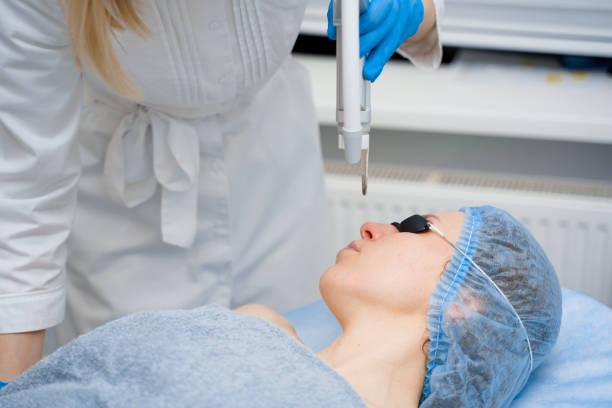
During the procedure, protective eyewear is used. The laser device is then applied to the selected area, delivering controlled pulses of energy. Some patients may experience brief snapping, tingling, or mild stinging during the procedure.
The treatment duration depends on the size and number of areas being addressed. Your practitioner can provide more specific information during your consultation.
What Happens After Q-switched Laser Treatment?
Temporary redness or sensitivity may occur after treatment. Some pigmented areas can also appear temporarily darker as the skin responds to the laser.
Follow Gentle Skincare
The treated skin should be handled gently. Avoiding harsh products and unnecessary irritation can support the recovery process.
Prioritize Sun Protection
UV exposure can contribute to pigmentation and may affect treatment results. Using broad-spectrum sunscreen and limiting direct sun exposure are important after treatment.
Allow the Skin to Recover
Avoid picking, scratching, or aggressively exfoliating treated areas. Following the aftercare instructions provided by your practitioner can help support a smooth recovery.
When Can Skin-Rejuvenating Results Appear?
The skin usually needs time to process targeted pigment. Therefore, improvement may develop gradually rather than immediately following treatment.
Some individuals may notice changes after one session, while others may require multiple treatments. The recommended number of sessions depends on pigmentation type, skin characteristics, treatment area, and individual response.
Who May Benefit From Q-switched Laser Treatment?
Individuals concerned about certain types of pigmentation, uneven skin tone, sun spots, or post-acne marks may be candidates for treatment. However, not every pigmentation concern is suitable for the same laser approach.
A professional evaluation is important before beginning treatment. The practitioner can determine whether Q-switched laser technology is appropriate and establish realistic expectations based on your skin.
Is Q-switched Laser a Complete Skin-Rejuvenation Solution?
Q-switched Laser Treatment in Riyadh can be valuable for addressing specific pigmentation concerns, but it should not be viewed as a universal solution for every sign of skin aging or damage. Skin texture, acne scars, wrinkles, and other concerns may require different treatment approaches.
A personalized plan may combine appropriate professional treatments with a consistent skincare routine and sun protection. This comprehensive approach can help support longer-term skin health and appearance.
Book an Appointment at Royal Clinic Saudia
If pigmentation or uneven skin tone is affecting your complexion, Royal Clinic Saudia can assess your skin and discuss suitable rejuvenation options. A professional consultation allows your concerns, skin characteristics, and treatment goals to be evaluated before creating an individualized plan. With appropriate treatment and aftercare, Q-switched Laser Treatment in Riyadh may help support a brighter, more even, and refreshed-looking complexion.
FAQs:
Can Q-switched laser make skin look brighter?
By reducing certain types of visible pigmentation, the treatment may help create a more even and brighter-looking complexion.
Is Q-switched laser suitable for all skin concerns?
No. It is primarily useful for selected pigment-related concerns, and suitability depends on an individual skin assessment.
How long do results take to appear?
Results can develop gradually as the body processes the targeted pigment. The timeline varies between individuals.
Is sun protection necessary after treatment?
Yes. Consistent sun protection is important for protecting treated skin and helping reduce the development of additional pigmentation.


 English
 Arabic
 French
 Spanish
 Deutsch
 Turkish
 Dutch
Dutch
 Italiano
 Russian
 Romaian
 Portuguese (Brazil)
 Greek
Greek
