
Common Side Effects of Hair Loss Treatments
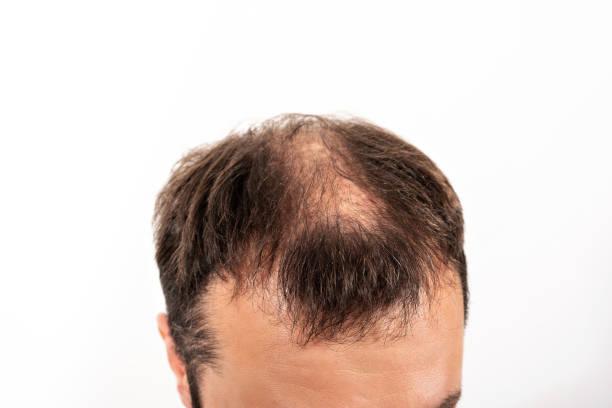
Hair loss treatments can help reduce shedding, support regrowth, and improve the appearance of thinning hair, but like most medical treatments, they may have potential side effects. The type and severity of side effects depend on the treatment, dosage, individual health, and how the scalp or body responds. Hair Loss Treatment in Riyadh should therefore begin with a professional assessment so that the most appropriate option can be selected for your specific type of hair loss.
Different treatments have different potential reactions. Topical medications may cause scalp irritation, while prescription medicines can have systemic side effects. Procedures such as PRP may cause temporary discomfort at injection sites, and hair transplantation can involve temporary swelling, sensitivity, or shedding during recovery. Hair Loss Treatment in Riyadh should always be personalized, with potential benefits and risks discussed before treatment begins.
Why Can Hair Loss Treatments Cause Side Effects?
Side effects can occur because treatments affect the scalp, hair follicles, or other parts of the body. Some reactions are temporary and mild, while others may require medical attention.
The likelihood of experiencing a side effect can depend on the treatment itself, how it is used, and individual sensitivity.
-
Treatment type can influence potential reactions.
-
Dosage and application methods can affect tolerance.
-
Individual sensitivity varies.
-
Existing scalp conditions may influence irritation.
-
Professional monitoring can help identify problems early.
Common Side Effects of Minoxidil
Minoxidil is commonly used to manage certain types of pattern hair loss. One of its more common side effects is scalp irritation, which may include itching, dryness, scaling, or redness. Some people may also experience headaches.
Temporary increased shedding can also occur during the early stages of treatment. This does not necessarily mean that the treatment is failing, but persistent or concerning symptoms should be discussed with a dermatologist.
-
Scalp dryness
-
Itching or irritation
-
Redness or scaling
-
Headaches in some users
-
Temporary increased shedding
-
Unwanted hair growth outside the scalp in some cases
Possible Side Effects of Prescription Treatments
Prescription medications used for hair loss can have different side-effect profiles. Finasteride, for example, may cause sexual side effects in some men, including reduced libido or difficulty achieving or maintaining an erection. Breast tenderness or swelling and mood-related effects have also been reported.
Because prescription treatments may not be suitable for everyone, they should only be used according to appropriate medical advice.
-
Side effects vary between medications.
-
Some effects may involve sexual function.
-
Breast tenderness or swelling may occur with certain medications.
-
Mood changes should be discussed with a healthcare professional.
-
Medical history and current medications should be reviewed before treatment.
Can PRP Hair Treatment Cause Side Effects?
PRP involves drawing a small amount of blood, processing it to concentrate platelets, and injecting the resulting plasma into areas of the scalp. Because injections are involved, temporary discomfort or sensitivity around the treated areas may occur.
The treatment is generally procedure-based rather than a daily medication, but individual responses can differ. Your provider should explain the expected experience and aftercare requirements before the session.
-
Temporary scalp tenderness may occur.
-
Mild discomfort from injections is possible.
-
Short-term sensitivity can develop.
-
Multiple treatment sessions may be recommended.
-
Unusual or persistent symptoms should be reported.
Possible Side Effects of Laser Hair Treatments
Low-level laser or light therapy is a non-invasive approach used for certain types of hair loss. It generally does not involve injections or surgery, but individual tolerance can vary depending on the device and treatment protocol.
It is important to use an appropriate device and follow professional instructions rather than assuming that more frequent or prolonged treatment will produce better results.
-
Temporary scalp sensitivity may occur.
-
Individual responses can vary.
-
Incorrect use may cause unnecessary irritation.
-
Treatment schedules should be followed carefully.
-
Professional advice can help determine suitability.
Side Effects After Hair Transplantation
Hair transplantation is a surgical procedure, so temporary changes can occur during the healing period. Depending on the procedure, patients may experience scalp swelling, redness, tenderness, crusting, or temporary changes in hair growth.
Temporary shedding of transplanted hair can also occur after surgery and may be part of the normal process before new growth develops.
-
Temporary swelling
-
Scalp sensitivity or tenderness
-
Redness or crusting
-
Temporary shedding
-
Changes in the appearance of transplanted hair during recovery
Following the surgeon's aftercare instructions is important for protecting the treated area and supporting recovery.
How Can You Reduce the Risk of Side Effects?
The best way to reduce unnecessary treatment problems is to use the treatment appropriately and follow professional instructions. Using more medication than recommended or combining treatments without medical guidance can increase the risk of unwanted reactions.
A proper diagnosis is also important because different causes of hair loss require different treatments.
-
Get a professional diagnosis.
-
Follow the recommended dosage.
-
Use topical products only as directed.
-
Tell your specialist about medications and supplements.
-
Attend recommended follow-up appointments.
When Should You Contact a Specialist?
Not every reaction requires emergency care, but unexpected, severe, persistent, or worsening symptoms should be discussed with your healthcare provider. If you develop a significant reaction after starting a treatment, do not simply continue using it without professional advice.
Your specialist can determine whether the reaction is expected, whether treatment should be modified, or whether another option may be more appropriate.
-
Report persistent scalp irritation.
-
Discuss severe or worsening symptoms promptly.
-
Ask about unexpected reactions.
-
Do not change prescription treatment without medical guidance.
-
Seek urgent medical attention for severe symptoms when appropriate.
Why Professional Guidance Matters
Hair loss has many possible causes, and treating the wrong condition can delay effective management. A dermatologist or qualified specialist can assess the pattern of hair loss and determine whether medication, a procedure, or another approach is appropriate.
Professional guidance is particularly important when prescription medications or procedures are involved because treatment suitability and potential risks vary between individuals.
-
Identify the underlying cause.
-
Choose treatment based on your condition.
-
Review possible side effects beforehand.
-
Monitor your response.
-
Adjust treatment when necessary.
Balancing Benefits and Potential Side Effects
The presence of possible side effects does not automatically mean a treatment is unsuitable. Many people tolerate hair loss treatments well, while others may experience reactions that require adjustment or discontinuation.
The goal is to choose an approach where the expected benefits are appropriate for your condition and the potential risks are understood. Realistic expectations and regular monitoring can make the treatment process safer and more manageable.
-
Consider both benefits and risks.
-
Understand expected side effects.
-
Follow professional recommendations.
-
Monitor changes after treatment.
-
Discuss concerns rather than stopping treatment independently.
Book a Hair Loss Consultation
Understanding potential side effects is an important part of making an informed treatment decision. Royal Clinic Saudia can assess your hair and scalp, discuss suitable options, and explain potential reactions associated with different approaches. With Hair Loss Treatment in Riyadh, professional evaluation can help ensure that your treatment plan is selected according to your individual needs and concerns.
FAQs:
Are side effects from hair loss treatments common?
Some treatments can cause side effects, but the type and likelihood vary considerably. Topical minoxidil, for example, may cause scalp irritation, while prescription medications can have different systemic effects.
Can minoxidil cause more hair shedding at first?
Yes. Some people may experience temporary increased shedding during the early stages of minoxidil treatment. This can occur before hair growth becomes noticeable.
Are hair transplant side effects permanent?
Most changes associated with the recovery period are temporary. Swelling, tenderness, crusting, and temporary shedding can occur, while the transplanted follicles can continue producing hair after recovery in suitable candidates.
What should I do if I experience side effects?
Contact your treatment provider and explain what you are experiencing. Do not change or discontinue prescription treatment without professional advice unless you are instructed to do so. Severe or urgent symptoms should receive prompt medical attention.

 English
 Arabic
 French
 Spanish
 Portuguese
 Deutsch
 Turkish
 Italiano
 Russian
 Romaian
 Portuguese (Brazil)
 Greek
Greek
