
Vaccination at Home After Illness: Important Considerations
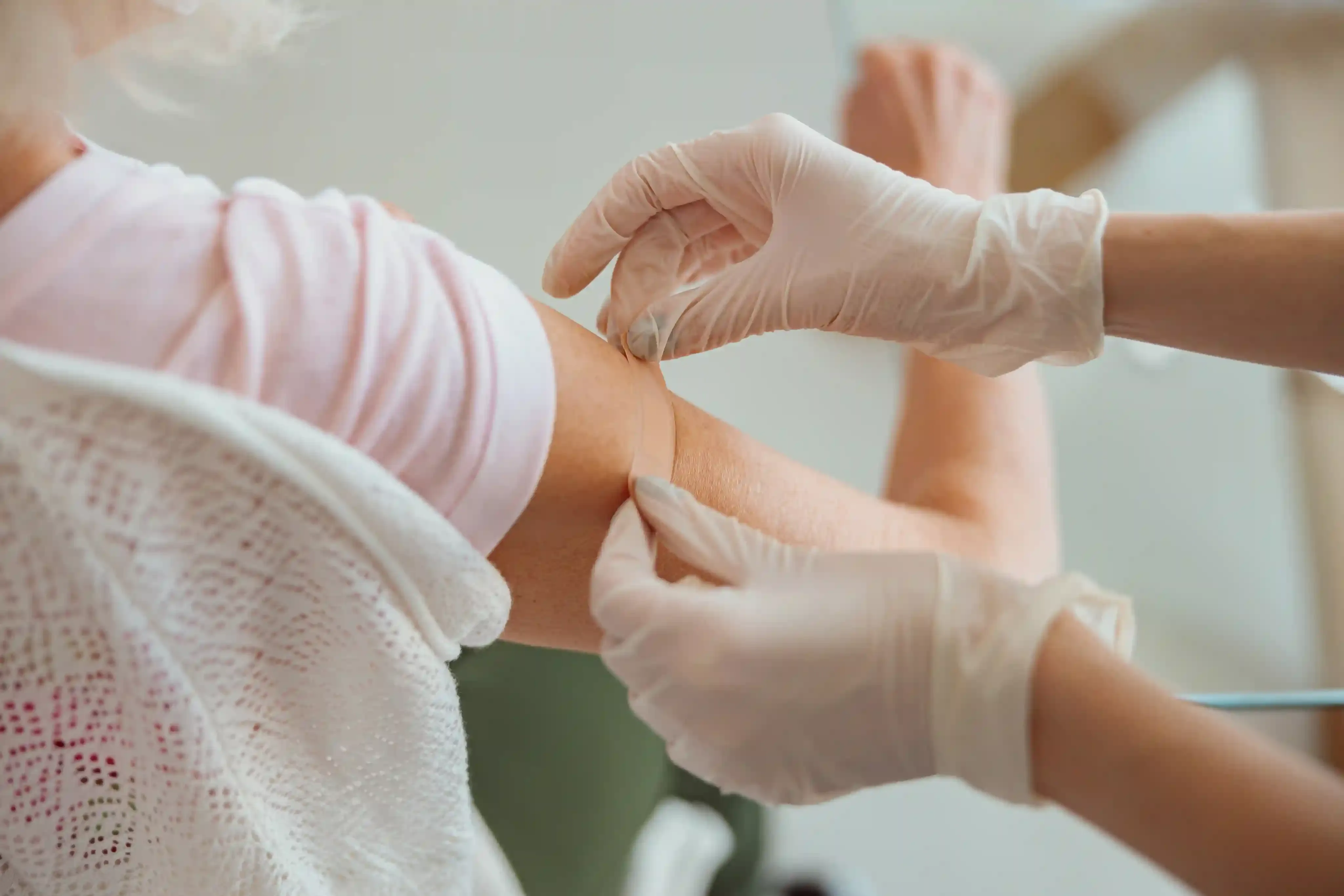
Vaccination can play an important role in protecting individuals from preventable infections, but deciding when to receive a vaccine after an illness may require careful consideration. Vaccination at Home in Dubai can provide a convenient option for eligible patients who prefer to receive immunization in a familiar environment. With support from a qualified healthcare professional or Doctor at Home, families can discuss recent illness, current symptoms, medications, and vaccination needs before proceeding. Understanding how recovery status, symptoms, and individual health factors can influence vaccination decisions helps patients and caregivers prepare for a safe and comfortable appointment.
Why Vaccination After Illness Requires Consideration:
After an illness, the body may still be recovering even when the most noticeable symptoms have improved. Whether vaccination should proceed may depend on the type and severity of the illness, current symptoms, overall health, and the specific vaccine being considered. A healthcare professional can review the patient's condition and determine whether vaccination is appropriate at that time. Mild illness does not necessarily mean that vaccination must always be postponed, but moderate or severe illness may require additional consideration. A professional assessment helps avoid unnecessary delays while ensuring that vaccination decisions are based on the patient's current condition.
Assessing Current Symptoms Before Vaccination:
Before a home vaccination appointment, patients or caregivers should provide an accurate update about any symptoms that are still present. Fever, significant weakness, breathing difficulties, persistent vomiting, or worsening symptoms may be important for the healthcare professional to know. Even if an illness was diagnosed several days earlier, the patient may not have fully recovered. Sharing details about when symptoms started, whether they are improving, and whether any treatment is still being used can help the professional make an informed decision. Patients should not hide symptoms simply because they are concerned about having their vaccination postponed.
Understanding the Difference Between Mild and Significant Illness:
Not every illness affects vaccination decisions in the same way. A person recovering from a minor condition may have a different vaccination plan from someone experiencing a more serious infection or ongoing symptoms. The healthcare professional can consider the patient's overall condition rather than relying only on the name of the illness. Factors that may be reviewed include:
-
Current temperature and general well-being
-
Severity and duration of recent symptoms
-
Whether symptoms are improving or worsening
-
Current medications or treatments
-
Existing medical conditions
-
The specific vaccine being administered
-
Previous reactions to vaccines
This individualized approach can help determine whether vaccination should proceed or be rescheduled.
Discussing Recent Medications and Treatments:
Patients recovering from illness may have taken prescription medicines, over-the-counter medications, or other treatments. The healthcare professional should be informed about these treatments before vaccination. This information provides useful context about the patient's recent health status and ongoing recovery. Patients should also mention treatments that have recently ended, particularly if the illness was significant. Providing a medication list can make the assessment more efficient and help the healthcare team understand the patient's current health situation before administering the vaccine.
Considering Chronic Health Conditions During Recovery:
Some individuals may have chronic health conditions that require additional attention after an illness. Recovery may temporarily affect energy levels, appetite, hydration, or the management of an existing condition. For these patients, vaccination decisions may need to consider both the recent illness and their underlying health needs. Conditions affecting the immune system, respiratory health, heart health, or other body systems may require individualized professional guidance. Home vaccination can make it easier for caregivers to provide relevant medical information and discuss concerns privately with the healthcare professional.
Preparing for Vaccination at Home After Illness:
Preparation can make the appointment more comfortable, especially when the patient is still regaining strength. The home environment should be clean, comfortable, and suitable for a healthcare professional to assess and vaccinate the patient. Patients should get adequate rest and follow any instructions provided before the appointment. Keeping relevant medical documents and vaccination records available can also help the healthcare professional review previous immunizations and recent medical information.
Helpful preparation steps include:
-
Keep vaccination records accessible.
-
Inform the healthcare provider about the recent illness.
-
Prepare a list of current medications.
-
Keep the patient comfortably seated or positioned.
-
Have water available if appropriate.
-
Keep emergency contact information accessible.
-
Inform the healthcare professional about previous vaccine reactions.
Maintaining Hydration and Rest:
Illness can sometimes leave patients feeling tired or dehydrated. Before vaccination, patients should follow appropriate advice regarding fluids, food, and rest based on their individual health circumstances. Someone who is still experiencing significant weakness may need a professional assessment before vaccination. Adequate rest can also make the appointment more comfortable. Families should avoid pushing a recovering patient to participate in unnecessary activities immediately before the appointment. The goal is to provide the healthcare professional with an accurate picture of the patient's current condition.
Monitoring the Patient During the Appointment:
A qualified healthcare professional should assess the patient before vaccination and consider whether the timing is appropriate. During the appointment, the professional can review relevant health information, administer the vaccine according to appropriate procedures, and observe the patient afterward when necessary. Receiving vaccination at home may offer a calm environment for patients who feel uncomfortable in busy medical settings. However, home vaccination should still follow proper clinical practices, including appropriate vaccine handling, administration, documentation, and post-vaccination guidance.
Knowing When Vaccination May Need to Be Delayed:
Sometimes postponing vaccination may be the most appropriate decision, particularly when a patient is experiencing a significant acute illness. The decision should be made by a qualified healthcare professional after reviewing the patient's condition. Families should not independently cancel or proceed based only on assumptions about the illness. If vaccination is delayed, the healthcare provider can explain when reassessment may be appropriate and help the patient maintain an appropriate immunization schedule.
Reasons a professional may recommend reassessment include:
-
Significant or persistent fever
-
Severe weakness or worsening symptoms
-
Breathing difficulties
-
Active vomiting or other concerning symptoms
-
A rapidly changing health condition
-
Concerns related to an underlying medical condition
Following Post-Vaccination Guidance:
After vaccination, patients should follow the instructions provided by the healthcare professional. Some people may experience temporary effects such as soreness, mild fatigue, or other expected reactions, depending on the vaccine. Patients and caregivers should understand what to monitor and when professional medical advice may be necessary. Unusual, severe, or rapidly worsening symptoms should receive prompt medical attention. Families should also keep vaccination documentation safely stored for future healthcare visits and immunization planning.
Supporting Recovery After Vaccination:
Patients who have recently recovered from an illness may benefit from taking things calmly after vaccination. Families can provide a comfortable place to rest and help the patient follow any healthcare instructions. Avoiding unnecessary physical exertion may be useful if the patient continues to feel tired, although normal activities can depend on the individual's condition and professional guidance. Caregivers should pay attention to significant changes in the patient's health rather than assuming every new symptom is related to vaccination or the previous illness.
Keeping Vaccination Records Updated:
Accurate vaccination records are important after every immunization. The record should include relevant information about the vaccine and administration as provided by the healthcare service. Keeping documentation updated can help healthcare professionals determine which vaccines have already been received and whether additional doses may be needed in the future. Families caring for children, older adults, or individuals with ongoing health needs should keep these records in an easily accessible location. Digital copies may also be useful as a backup.
Final Thoughts:
Vaccination after illness should be approached with awareness of the patient's current health rather than simply the number of days since symptoms began. Vaccination at Home in Dubai can offer a convenient setting for eligible patients to discuss their recent illness, medications, recovery progress, and immunization needs with a qualified healthcare professional. Families should provide complete health information, follow professional recommendations, and understand when vaccination may need to be postponed. With appropriate assessment, preparation, monitoring, and follow-up, home-based vaccination can support a more organized and comfortable immunization experience while keeping individual health considerations at the center of care.

 English
 Arabic
 French
 Spanish
 Portuguese
 Deutsch
 Turkish
 Italiano
 Russian
 Romaian
 Portuguese (Brazil)
 Greek
Greek
