
Can PRP Hair Treatment Stop Hair Loss?
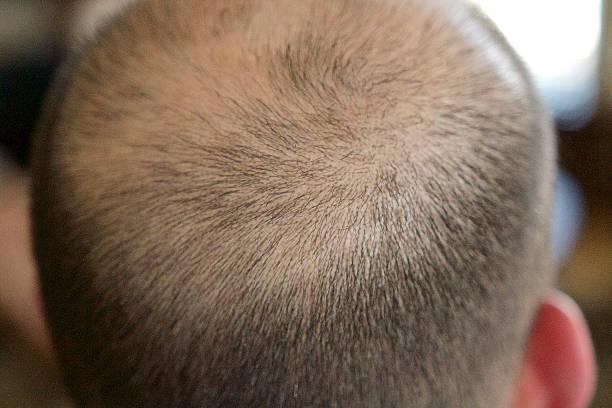
Hair loss can be frustrating, especially when shedding continues despite trying different products and routines. Many people considering PRP Hair Treatment in Riyadh want to know whether it can actually stop hair loss or simply make existing hair look thicker. PRP, or platelet-rich plasma, uses a concentrated portion of a person's own blood and delivers it into the scalp. Research suggests that PRP may help improve hair density and thickness in certain types of hair loss, but its effectiveness depends on the underlying cause, the individual's response, and the treatment protocol used.
For people exploring PRP Hair Treatment in Riyadh, it is important to understand that PRP is not a universal cure for every form of hair loss. It has been studied most extensively for androgenetic alopecia, commonly known as pattern hair loss. A proper evaluation can help determine whether PRP is appropriate or whether another treatment or a combination approach may be more suitable.
How PRP May Help With Hair Loss
Supporting weakened hair follicles
PRP contains platelets and growth-related signaling substances that may influence the environment around hair follicles. Researchers believe these effects may support follicular activity and contribute to improvements in hair thickness and density. However, the exact mechanisms and the most effective PRP preparation methods continue to be studied.
Helping reduce ongoing hair thinning
PRP may help reduce the appearance of progressive thinning in some patients rather than simply producing new hair immediately. The American Academy of Dermatology notes that PRP can lessen hair loss within a few months, with some patients subsequently noticing thicker hair or regrowth. Maintenance treatments may be needed to help preserve results.
Can PRP Completely Stop Hair Loss?
Results depend on the cause
Not all hair loss has the same cause. Genetics, hormonal changes, nutritional deficiencies, medical conditions, medications, stress, and inflammatory scalp disorders can contribute to shedding or thinning. PRP is primarily studied for conditions such as androgenetic alopecia, so identifying the cause before treatment is essential.
If hair loss is caused by an underlying medical or nutritional problem, treating that cause may be more important than relying on PRP alone. A dermatologist can examine the scalp, review medical history, and recommend appropriate testing when necessary.
PRP is not a permanent cure
One of the biggest misconceptions about PRP is that a successful treatment permanently stops hair loss. Pattern hair loss is generally a chronic condition, meaning ongoing management may be necessary. The American Academy of Dermatology describes PRP as a treatment that is not permanent and notes that maintenance sessions can help maintain results.
What Does Research Say About PRP?
Evidence shows potential benefits
Clinical research has reported improvements in hair density, thickness, and patient satisfaction following PRP treatment for androgenetic alopecia. A 2024 systematic review and meta-analysis found that combining PRP with topical minoxidil produced better hair-density outcomes than minoxidil alone in the included trials, although the researchers rated the certainty of evidence as low to very low and highlighted differences between PRP protocols.
More recent research continues to describe PRP as a promising option, while emphasizing that treatment methods vary substantially. Differences in platelet concentration, preparation, injection technique, treatment intervals, and patient characteristics can all influence results.
Who May Benefit From PRP Hair Treatment?
People with pattern hair loss
Patients with early or moderate androgenetic alopecia may be considered for PRP after professional assessment. Treatment may be more useful when viable hair follicles remain but have become progressively thinner.
People seeking a minimally invasive approach
PRP uses the patient's own blood and involves injections into the scalp rather than surgery. Some patients may consider it as part of a broader hair-restoration plan, particularly when they want a non-surgical option.
People who may need combination treatment
PRP does not necessarily have to be used alone. Depending on the diagnosis, a healthcare professional may recommend combining it with established medical treatments or other hair-restoration approaches. Research has found promising results when PRP is used alongside minoxidil, although the quality and consistency of evidence remain limitations.
What Should You Expect During Treatment?
A typical PRP procedure begins with drawing a small amount of blood. The blood is processed to separate the platelet-rich portion, which is then injected into selected areas of the scalp. The procedure itself is relatively brief, but the exact preparation and injection protocol can differ between clinics and practitioners.
Some patients experience temporary tenderness, redness, swelling, or discomfort around the injection sites. These effects are generally short-lived, although individual experiences can vary. Your provider should explain the expected recovery and any precautions before treatment.
How Long Does It Take to See Results?
PRP does not usually produce an immediate transformation. Hair follicles operate through growth cycles, so changes in shedding, density, or thickness can take time to become noticeable. Some patients may begin noticing improvements after several months, while others may require a longer treatment course or additional maintenance sessions.
It is also important to remember that response varies. Factors such as the type and severity of hair loss, age, overall health, scalp condition, treatment protocol, and whether other treatments are being used can influence the outcome.
Is PRP Right for You?
The best way to determine whether PRP may help is through a professional hair and scalp assessment. A dermatologist or qualified healthcare professional can identify the likely cause of hair loss and discuss realistic treatment goals.
If PRP is recommended, following the planned treatment schedule and attending follow-up appointments can help your provider assess progress. If the response is limited, your treatment plan may need to be adjusted rather than simply continuing the same approach indefinitely.
Book a Hair Consultation at Royal Clinic Saudia
If you are concerned about ongoing hair thinning or shedding, Royal Clinic Saudia can help you explore suitable hair-restoration options. Schedule a consultation to discuss your hair-loss pattern, treatment goals, and whether PRP may be appropriate for your individual needs.
FAQs:
Can PRP completely cure hair loss?
PRP should not be considered a guaranteed cure. It may reduce hair loss and improve density or thickness in some patients, particularly those with pattern hair loss, but ongoing management may be necessary.
How soon can PRP hair treatment show results?
Some patients may notice changes after several months, but the timeline varies. Hair growth occurs in cycles, and individual response depends on the underlying condition and treatment plan.
Does PRP work for every type of hair loss?
No. PRP has been studied particularly for androgenetic alopecia, while other causes of hair loss may require different treatments. Identifying the cause is an important first step.
Will I need maintenance PRP treatments?
Possibly. Because PRP is not considered a permanent solution for pattern hair loss, maintenance treatments may be recommended to help preserve improvements in suitable patients.

 English
 Arabic
 French
 Spanish
 Portuguese
 Deutsch
 Turkish
 Dutch
Dutch
 Italiano
 Russian
 Romaian
 Portuguese (Brazil)
