
Lymphatic Drainage Massage After Liposuction: What to Know
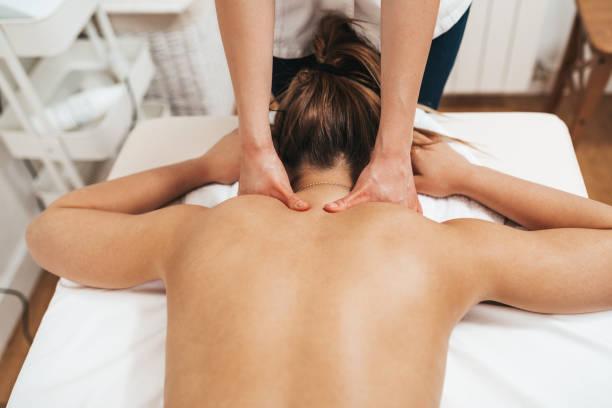
Liposuction reshapes targeted areas by removing unwanted fat, but swelling and fluid accumulation are common parts of the healing process. As the body recovers, the lymphatic system gradually helps manage excess tissue fluid. For selected patients, Lymphatic drainage massage in Riyadh (التدليك اللمفاوي في الرياض) may be included in a postoperative recovery plan to support fluid movement and improve comfort. However, it should not be considered an automatic part of every liposuction recovery, and treatment should only begin when the operating surgeon or qualified healthcare professional confirms that it is appropriate.
Why Does Swelling Occur After Liposuction?
Liposuction involves working beneath the skin, which naturally creates a healing response in the treated tissues. Inflammation can cause temporary swelling, bruising, tightness, and changes in how the skin and underlying tissues feel. The amount of swelling varies according to the treatment area, technique used, extent of the procedure, and individual healing response.
Understanding Postoperative Fluid
The body naturally manages tissue fluid through the lymphatic and circulatory systems. After liposuction, temporary changes in the tissues can make this process feel slower or less efficient. As healing progresses, swelling generally changes gradually rather than disappearing immediately.
Why Recovery Takes Time
Early postoperative swelling does not necessarily reflect the final body contour. Tissue inflammation and fluid retention can temporarily make the treated area look fuller or uneven. Patience and following the surgeon's recovery instructions are important while the body heals.
How Can Lymphatic Drainage Support Recovery?
Lymphatic drainage is a gentle technique designed to encourage the movement of lymph fluid through superficial lymphatic pathways. When appropriately timed after liposuction, it may support the body's natural fluid-management process and help some patients feel less heavy or tight.
Gentle Pressure Is Important
Unlike deep-tissue massage, lymphatic drainage generally uses light, rhythmic movements. Lymphatic vessels are located relatively close to the skin, so forceful pressure is not required. Applying excessive pressure to recently treated tissues may be uncomfortable or inappropriate.
Supporting Comfort
Some patients may experience temporary improvement in feelings of swelling, tightness, or heaviness after suitable lymphatic care. The response varies, and massage should be viewed as supportive rather than as a way to accelerate healing beyond the body's normal recovery process.
When Can Lymphatic Massage Begin After Liposuction?
There is no single start date that applies to every liposuction patient. The appropriate timing depends on the procedure, treatment area, incision sites, healing progress, and the surgeon's instructions.
Follow Your Surgeon's Clearance
Patients should not arrange postoperative massage solely according to a general timeline found online. The operating surgeon is familiar with the details of the procedure and can determine when gentle lymphatic care is safe. This is especially important when incisions, drains, wounds, or other healing concerns are present.
Recovery Is Individual
One patient may heal differently from another even after similar liposuction procedures. Existing health conditions, tissue response, the extent of treatment, and postoperative complications can all influence the recovery timeline.
What Happens During Lymphatic Drainage After Liposuction?
A qualified practitioner evaluates the treated area and adapts the session according to the patient's recovery stage. Movements are typically gentle and controlled, with attention to appropriate lymphatic pathways rather than aggressive manipulation of the treated tissues.
Treatment Should Feel Gentle
Lymphatic drainage should not be performed like vigorous body massage. Strong pressure, excessive rubbing, or forceful manipulation may be unsuitable during postoperative healing. The technique should be adjusted to the individual's comfort and medical instructions.
The Approach Can Change Over Time
As tissues heal, the appropriate treatment approach may change. Early recovery requires particular caution, while later sessions may be adjusted according to remaining swelling and the patient's progress.
Can Lymphatic Drainage Reduce Liposuction Swelling?
It may help support the movement of certain types of postoperative tissue fluid, potentially making swelling or heaviness feel more manageable. However, it does not instantly eliminate swelling, and it cannot guarantee a faster or better final contour.
Temporary Swelling Is Normal
Swelling after liposuction can fluctuate during recovery. Changes in activity, hydration, and the body's healing response can influence how the treated area looks and feels from one day to another.
Final Results Take Time
The body needs time to recover before the final contour becomes clear. Lymphatic care may be one component of recovery, but realistic expectations are essential.
Can It Prevent Lumps or Unevenness?
Post-liposuction areas can sometimes feel firm, irregular, or uneven while healing. These changes may be related to inflammation, tissue remodeling, or other postoperative factors. Lymphatic massage should not be promoted as a guaranteed way to prevent or correct every contour irregularity.
When Further Assessment Is Needed
Persistent, worsening, painful, or unusual changes should be discussed with the treating surgeon. A healthcare professional can determine whether the changes are part of normal healing or require additional evaluation.
What Should You Avoid After Liposuction?
Patients should follow all postoperative instructions provided by their surgical team. Depending on the procedure, these may include guidance about activity, compression garments, wound care, bathing, medications, and massage.
Avoid Unapproved Massage
Self-massage or aggressive techniques should not replace professional postoperative guidance. Applying excessive pressure too early may interfere with healing tissues or cause unnecessary discomfort.
Do Not Ignore Warning Signs
Increasing swelling, severe pain, significant redness or warmth, fever, unusual drainage, sudden shortness of breath, or other concerning symptoms should be reported promptly to the appropriate healthcare professional rather than treated through massage.
How Many Sessions Are Needed?
There is no universal number of lymphatic drainage sessions required after liposuction. Some patients may benefit from limited supportive care, while others may need additional sessions depending on swelling and recovery progress.
A Personalized Plan Works Best
The frequency of treatment should be based on the individual's healing response and professional recommendations. More sessions do not automatically mean better results, and the treatment plan may change as swelling naturally decreases.
Book a Consultation at Royal Clinic Saudia
If you are considering lymphatic care after liposuction, professional assessment can help determine whether it is suitable for your stage of recovery. Lymphatic drainage massage in Riyadh may support postoperative fluid movement when recommended by the treating healthcare team. Contact Royal Clinic Saudia (عيادات رويال كلينك) to discuss your recovery and arrange a consultation.
FAQs:
Is lymphatic drainage massage recommended after liposuction?
It may be recommended for some patients as part of postoperative recovery, particularly when swelling or fluid accumulation is present. Your surgeon should confirm whether it is appropriate.
How soon can lymphatic massage be performed after liposuction?
Timing varies according to the procedure and individual healing progress. Always obtain clearance from your operating surgeon before beginning massage.
Can lymphatic drainage make liposuction results appear faster?
It may help manage certain types of swelling, but final liposuction results depend on natural healing and tissue remodeling. Massage cannot guarantee faster final results.
Is lymphatic drainage painful after liposuction?
Proper lymphatic drainage generally uses light pressure and should not involve aggressive manipulation. However, recently treated tissues can be sensitive, so treatment should be adapted to the patient's recovery stage.

 English
 Arabic
 French
 Spanish
 Portuguese
 Deutsch
 Turkish
 Dutch
Dutch
 Italiano
 Russian
 Romaian
 Portuguese (Brazil)
