
How Industrial Gases Are Fueling Industrial Expansion Across the Middle East
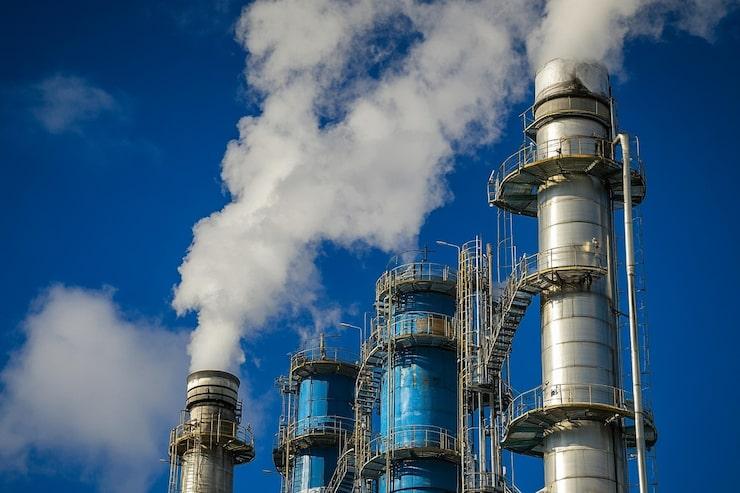
The Middle East has emerged as a major industrial and energy hub, supported by substantial investments in oil and gas, petrochemicals, manufacturing, healthcare, construction, and clean energy projects. Industrial gases—including oxygen, nitrogen, hydrogen, argon, carbon dioxide, helium, and specialty gases—are essential for improving production efficiency, ensuring operational safety, and enabling advanced industrial processes. As countries across the region accelerate economic diversification under long-term national development strategies, demand for industrial gases continues to expand across multiple industries.
According to a Vyansa Intelligence report, the Middle East Industrial Gases Market was valued at USD 9.87 Billion in 2025 and is projected to reach USD 13.69 Billion by 2032, registering a CAGR of 4.78% during the 2026–2032 forecast period. Rising investments in downstream industries, manufacturing expansion, healthcare infrastructure, and hydrogen technologies continue to support long-term market growth.
Oil and Petrochemical Industries Continue to Drive Market Demand
The Middle East remains one of the world's largest producers of crude oil, natural gas, and petrochemical products. Industrial gases play an essential role in refining operations, gas processing, petrochemical manufacturing, and industrial maintenance.
According to this industrial gases industry report, hydrogen is extensively used in hydrocracking, desulfurization, and refinery upgrading processes, while nitrogen supports inerting, purging, pressure testing, and pipeline maintenance. Oxygen also contributes to combustion systems and chemical manufacturing operations that improve production efficiency across industrial facilities.
Ongoing investment in refining and petrochemical capacity continues to generate strong demand for industrial gases throughout the region.
Economic Diversification Is Expanding Manufacturing Applications
Governments across the Middle East are actively diversifying their economies by investing in manufacturing sectors such as metals, construction materials, food processing, automotive components, chemicals, and industrial equipment. These industries depend on industrial gases to improve production quality and operational efficiency.
Industry analysis indicates that oxygen and acetylene are widely utilized for welding, cutting, and fabrication processes, while nitrogen is increasingly adopted for industrial cooling, packaging, and blanketing applications. Carbon dioxide also plays a significant role in beverage production and food preservation across regional manufacturing facilities.
Industrial diversification initiatives continue creating new opportunities for industrial gas suppliers.
Healthcare Infrastructure Is Supporting Medical Gas Consumption
The rapid expansion of healthcare services across the Middle East is increasing demand for medical-grade gases used in hospitals, diagnostic laboratories, pharmaceutical manufacturing, and biotechnology research. Medical oxygen, nitrous oxide, carbon dioxide, and specialty gases remain essential for patient care and advanced medical procedures.
Detailed market insights suggest that ongoing investments in hospitals, healthcare modernization, and pharmaceutical production are contributing to stable growth in medical gas demand. Reliable production and distribution systems ensure uninterrupted supply while maintaining stringent quality standards.
Healthcare continues to represent an important application area for industrial gas manufacturers.
Hydrogen Is Accelerating the Region's Energy Transition
Hydrogen is becoming a strategic priority as Middle Eastern countries pursue cleaner energy solutions and industrial decarbonization. In addition to its established role in refining and chemical production, hydrogen is increasingly attracting investment for green energy projects and export opportunities.
The International Energy Agency (IEA) highlights that low-emission hydrogen can support industrial decarbonization and play an important role in future clean energy systems.
The latest market analysis highlights that large-scale investments in green hydrogen production, renewable energy integration, and hydrogen infrastructure are expected to create substantial opportunities for industrial gas companies. Countries across the region are leveraging abundant solar resources to strengthen their position in the global low-carbon hydrogen economy.
Hydrogen development is expected to become a major contributor to future industry expansion.
Technology Is Improving Production and Supply Chain Efficiency
Industrial gas producers are investing in modern air separation units, cryogenic storage facilities, automated filling stations, and digital monitoring technologies to improve production efficiency and supply reliability. Smart manufacturing solutions are helping companies optimize operations while reducing costs.
Research findings indicate that Industrial Internet of Things (IIoT) platforms, predictive maintenance systems, and automated cylinder management improve plant performance and minimize operational downtime. On-site gas generation technologies are also becoming increasingly popular among large industrial customers requiring continuous gas supply.
Digital transformation continues strengthening operational efficiency across the regional industrial gases industry.
Sustainability Is Encouraging Cleaner Industrial Operations
Environmental sustainability has become an important objective for governments and industrial operators across the Middle East. Industrial gases contribute to cleaner production processes by supporting energy-efficient combustion, emissions reduction, wastewater treatment, and carbon management technologies.
The comprehensive report suggests that advanced gas production technologies, optimized distribution systems, and energy-efficient manufacturing processes help industries lower operating costs while supporting national sustainability goals. These initiatives align with broader economic diversification programs focused on building resilient and environmentally responsible industrial sectors.
Growing investment in sustainable industrial technologies is expected to reinforce long-term market demand.
Future Perspective
The Middle East industrial gases industry is expected to maintain strong growth as industrial diversification, energy infrastructure development, healthcare expansion, and clean energy investments continue driving demand. Increasing adoption of hydrogen technologies, specialty gases, digital production systems, and advanced manufacturing processes will further strengthen market opportunities.
The industry outlook indicates that industrial gases will remain essential for supporting the Middle East's industrial transformation, improving manufacturing efficiency, and enabling sustainable economic development. Continued innovation in hydrogen production, semiconductor-grade gases, automated production technologies, and environmentally efficient industrial processes is expected to create significant long-term opportunities for manufacturers and end users.

 English
 Arabic
 French
 Spanish
 Portuguese
 Deutsch
 Turkish
 Dutch
Dutch
 Italiano
 Russian
 Romaian
 Portuguese (Brazil)
