
White Sapphire or Diamond: Choosing the Right Gem
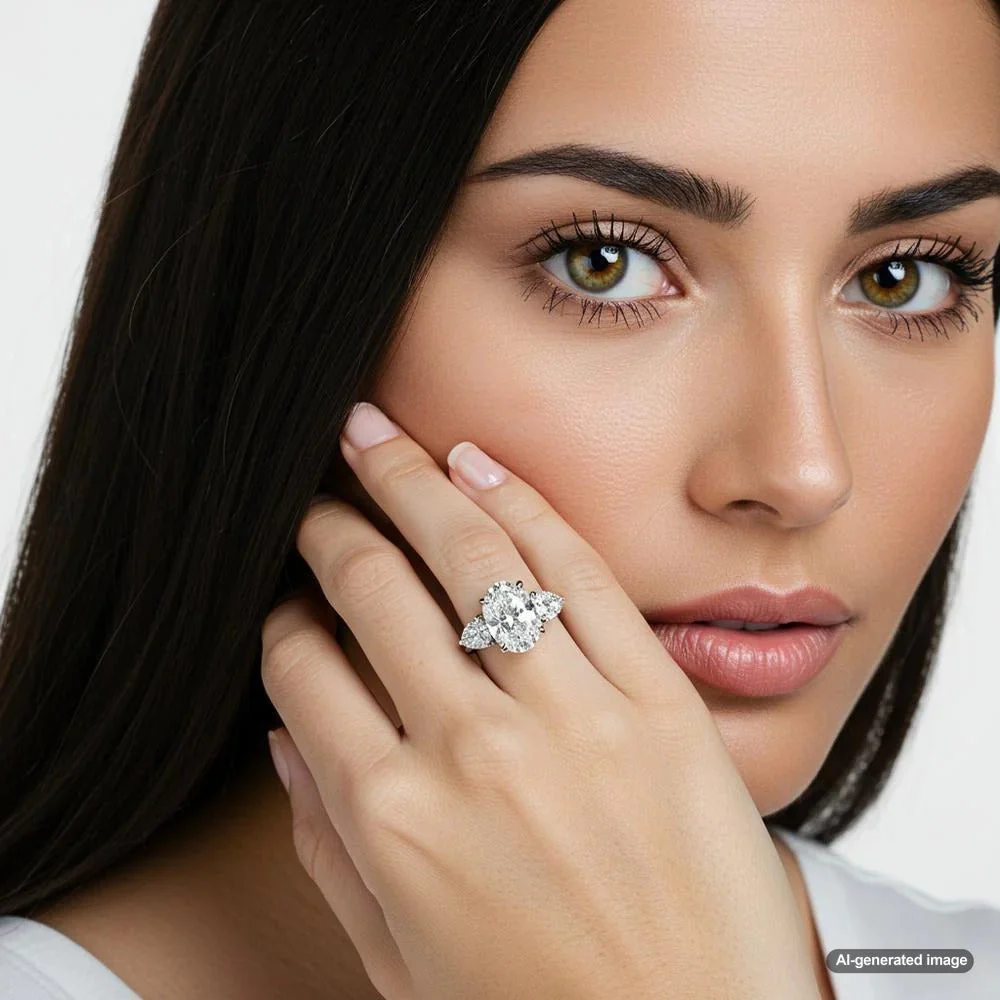
A colorless center stone does not automatically have to be a diamond. White sapphire offers a softer-looking alternative that can work beautifully in engagement rings, earrings, and other fine jewelry.
Still, these gems behave differently once they are cut, set, and worn. Comparing white sapphire vs diamond means looking beyond appearance to brilliance, hardness, maintenance, and long-term expectations.
Two Different Gem Materials
White sapphire is colorless corundum, the same mineral family that produces blue sapphires and rubies. Its lack of strong color gives it a clean, neutral appearance that pairs easily with white, yellow, or rose metals.
Diamond is crystallized carbon with a different crystal structure and optical character. GIA lists diamond at 10 on the Mohs hardness scale, making it exceptionally resistant to scratching.
White sapphire is a diamond simulant when it is used to imitate a diamond's appearance. That does not make it an artificial diamond. GIA distinguishes colorless sapphire and other simulants from diamonds because they have different chemical and physical properties.
Sparkle Is Where the Difference Shows
Put the two stones under good lighting, and their visual personalities become clearer. Diamond is known for strong brightness, fire, and scintillation. Its refractive index is 2.42, which contributes to its distinctive interaction with light.
White sapphire generally has a quieter appearance. It can look bright when freshly cleaned and well cut, but it does not produce the same lively flashes as a well-cut diamond.
This distinction matters most in engagement rings, where the center stone receives frequent attention. Someone who wants intense sparkle may notice the difference quickly. A buyer who prefers restrained brilliance may appreciate sapphire's softer look.
Durability and Everyday Wear
Both stones can be suitable for jewelry, but diamond has a clear advantage in scratch resistance. Its hardness helps polished facets retain their finish during years of regular use.
White sapphire is still a durable gemstone, yet its surface can show wear more readily. Oils, soap residue, and everyday grime can also reduce its brightness. Regular cleaning becomes especially useful for rings worn daily.
Hardness should not be confused with indestructibility. A diamond can still chip if struck sharply at a vulnerable edge. Protective settings and sensible care remain valuable for either gemstone.
Price and Value Expectations
Cost is often a major reason shoppers consider white sapphire vs diamond. A white sapphire can provide a larger colorless center stone without requiring the budget typically associated with a comparable natural diamond.
However, purchase price should not be the only factor. Think about what you want the stone to represent and how much visual performance matters. Diamond's brilliance and durability may justify the extra cost for some buyers.
There is also a middle path. Lab grown diamonds are genuine diamonds rather than simulants. GIA states that they have essentially the same chemical, physical, and optical properties as natural diamonds, although their origin and growth characteristics differ.
Look at Cut and Setting, Not Just the Gem Name
A poorly cut stone can appear dull regardless of its reputation. Examine the actual gem under several lighting conditions instead of judging it only beneath bright jewelry-store lights.
The setting also affects appearance. A halo can add visual presence around white sapphire, while an open setting may emphasize a diamond's light performance. For everyday rings, secure prongs or protective designs can reduce exposure to accidental knocks.
Which Choice Makes More Sense?
The white sapphire vs diamond decision depends on the qualities you value most. White sapphire suits buyers who want a natural, colorless gemstone with understated brilliance and a more accessible price.
Diamond is usually the stronger choice for maximum sparkle, scratch resistance, and classic diamond optics. Buyers seeking those properties without choosing a mined stone can also consider lab grown diamonds, which retain the defining material properties of diamond.
Before buying, compare stones in person when possible and ask for clear documentation about the gem's identity and any treatments. The right choice is the stone whose appearance, durability, origin, and cost make sense for the way the jewelry will actually be worn.

 English
 Arabic
 French
 Spanish
 Portuguese
 Deutsch
 Turkish
 Dutch
Dutch
 Italiano
 Russian
 Portuguese (Brazil)
 Greek
Greek
