
Men's Alteration NYC: A Guide to Clothing Adjustments and Fit
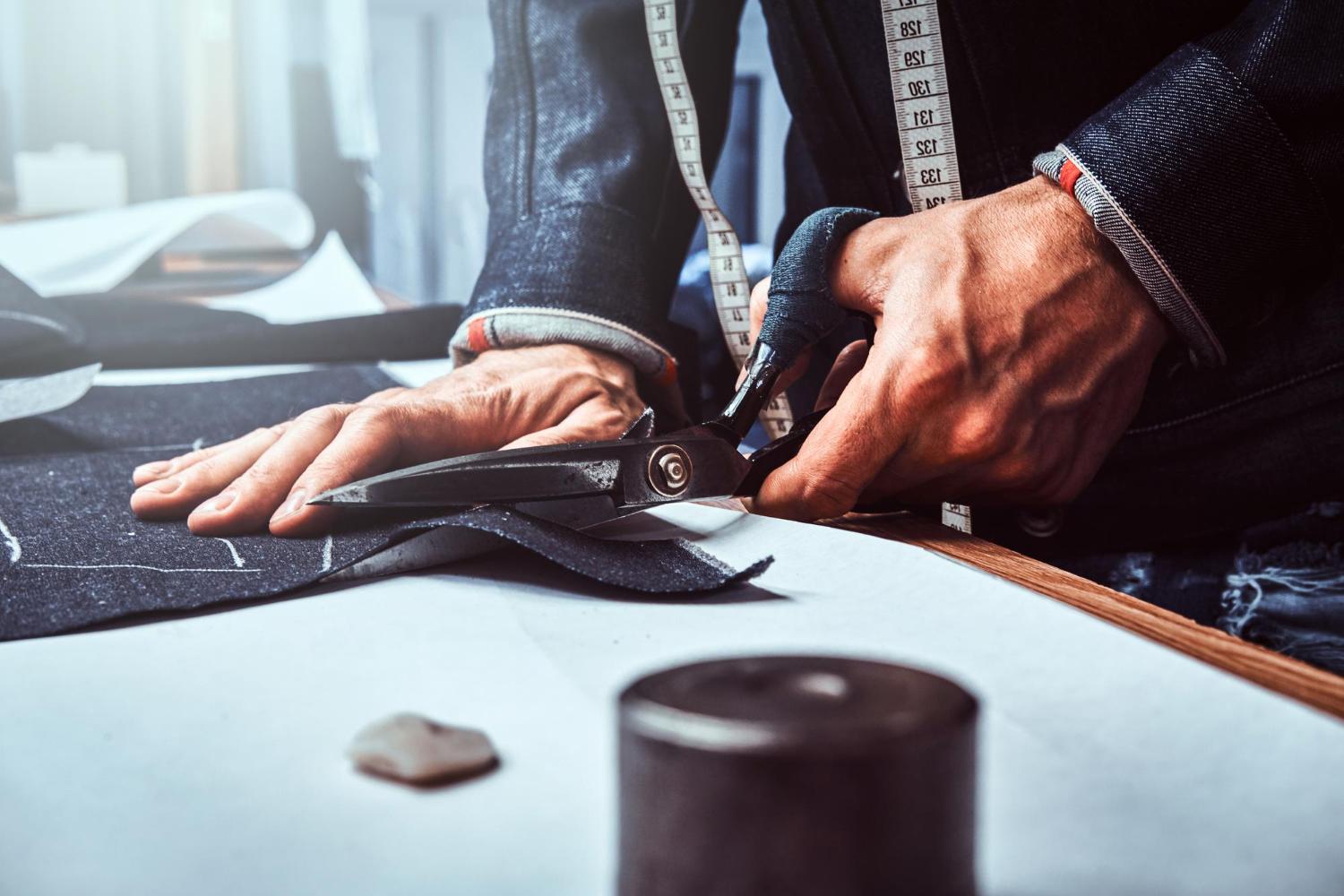
Men's alteration NYC services focus on modifying men's clothing to achieve a more suitable fit, length, and overall appearance. Standard clothing sizes are designed around general measurements, but individual body proportions can vary significantly. As a result, garments that fit adequately in one area may require adjustments in another.
In New York City, men's alterations can apply to business attire, casual clothing, formalwear, outerwear, and other garments. The type of alteration required depends on the garment's construction, fabric, measurements, and intended fit. Understanding these factors provides useful context for anyone considering men's alteration NYC services.
What Men's Alteration NYC Services Include
Men's alterations can range from simple adjustments to more detailed garment modifications. Common services include trouser hemming, waist adjustments, sleeve shortening, jacket alterations, shirt adjustments, and changes to garment length.
Trouser alterations are among the most common requirements. Trousers may need to be shortened because standard lengths do not always correspond with an individual's height. Waist adjustments may also be necessary when the waist fits differently from the hips or seat.
Shirt alterations can include shortening sleeves, adjusting the sides, or modifying the overall length. Jackets and suits typically require more precision because their construction involves multiple layers and structured components.
Suit and Jacket Alterations
Suits and jackets are often among the more complex garments to alter. Their appearance depends on the relationship between the shoulders, chest, waist, sleeves, and jacket length.
Sleeve length is a frequent alteration because arms vary in length even among people wearing the same jacket size. The jacket body may also require adjustment if it appears too loose or tight around the waist.
Shoulder alterations can be considerably more complicated. The shoulder area is closely connected to the jacket's internal structure, sleeve attachment, and overall balance. For this reason, not every jacket can be extensively modified in this area.
When considering men's alteration NYC services for suits or jackets, the garment's original construction is an important factor in determining what changes are practical.
Trouser Alterations
Trousers often require adjustments to achieve a comfortable and proportionate fit. Hemming changes the length of the trousers and can influence how the fabric falls over the shoes.
Waist adjustments may involve taking the waistband in or letting it out, depending on the available seam allowance. Seat and thigh adjustments can also be considered when the garment does not fit evenly through the lower body.
The desired trouser break is another consideration. Some individuals prefer a fuller break, while others prefer a shorter or cleaner appearance. The appropriate length can depend on the style of the trousers, footwear, and personal preference.
Shirt Alterations
Men's shirts may require alterations for both comfort and proportion. Sleeve length, shirt length, and side seams are common areas of adjustment.
A shirt that fits properly around the chest may still have sleeves that are too long. Similarly, a shirt may fit the shoulders but contain excessive fabric around the waist. Alterations can address these differences when the garment's construction allows them.
Dress shirts and casual shirts can have different alteration requirements. Details such as cuffs, collars, buttons, and pleats may affect how modifications can be carried out.
Factors Affecting Men's Alterations
Several factors influence the outcome of men's alteration NYC work. Fabric type is one important consideration. Lightweight fabrics, stretch materials, wool, denim, and heavier outerwear fabrics may each require different techniques.
Seam allowance also matters. A garment with sufficient excess fabric may offer greater flexibility for adjustments, while a garment with minimal seam allowance may have limited alteration options.
Construction details can create additional challenges. Linings, pockets, zippers, decorative stitching, and reinforced seams may need to remain aligned after alterations.
The condition of the garment should also be considered. Worn fabric, damaged seams, or previous alterations can affect whether additional modifications are advisable.
The Role of Measurements and Fittings
Accurate measurements are central to men's alterations. Measurements may include the chest, waist, hips, sleeve length, inseam, outseam, shoulder width, and jacket length, depending on the garment.
A fitting allows the clothing to be evaluated while being worn. This can reveal issues that may not be apparent from measurements alone. For example, a jacket may have the correct chest measurement but still require sleeve or waist adjustments.
Complex alterations may require more than one fitting. This allows changes to be assessed before the final finishing work is completed.
Men's Alteration NYC for Different Occasions
Men's alteration NYC services can apply to clothing worn for many different situations. Business suits may require precise adjustments to maintain a balanced professional appearance. Formalwear may need careful alterations because of its structured construction and specialized details.
Casual clothing may involve simpler changes, such as adjusting jeans, chinos, shirts, or jackets. Outerwear can require additional attention because coats and jackets often contain heavier fabrics and internal layers.
The purpose of the garment can influence the desired fit. Clothing intended for frequent movement may need more room, while formal garments may be adjusted with greater emphasis on proportion.
Understanding Men's Alteration NYC
Men's alteration NYC services provide a way to adapt existing garments to individual measurements and fitting preferences. The process can involve straightforward changes such as hemming or more complex modifications involving jackets, suits, coats, and formalwear.
The suitability of an alteration depends on the garment's fabric, construction, available seam allowance, and the extent of the requested change. Accurate measurements and appropriate fittings can help determine what adjustments are possible.
For anyone researching men's alteration NYC, understanding these factors can make the alteration process more predictable. Rather than treating every garment in the same way, tailoring decisions generally need to account for the specific construction and fitting requirements of each piece of men's clothing.

 English
 Arabic
 French
 Portuguese
 Deutsch
 Turkish
 Dutch
Dutch
 Italiano
 Russian
 Romaian
 Portuguese (Brazil)
 Greek
Greek
