
Mole Removal for Cosmetic and Medical Reasons
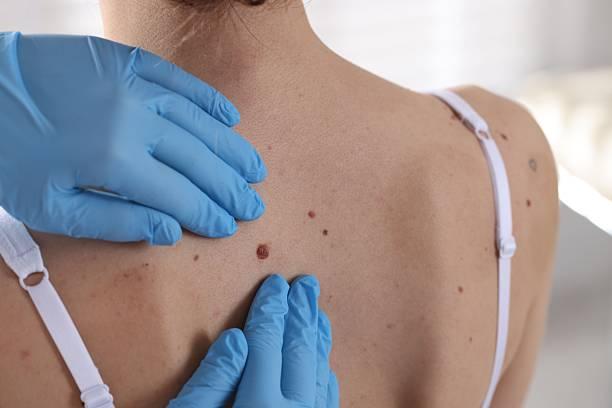
Moles are common skin growths that can vary in size, shape, color, and texture. While many moles are harmless, some people choose to have them removed because they affect their appearance, become irritated, or require medical evaluation. Understanding the reasons behind mole removal and the available approaches can help people make informed decisions about their skin. For individuals considering mole removal riyadh, a professional skin assessment is an important first step before choosing a treatment approach.
Why Do People Consider Mole Removal?
Mole removal can be considered for both cosmetic and medical reasons. The appropriate approach depends on the mole's characteristics, location, symptoms, and the individual's goals.
Cosmetic Reasons
Some moles may be located on highly visible areas such as the face, neck, or arms. A person may feel that a prominent mole affects their overall appearance or confidence. In such cases, removal may be considered to create a more even-looking skin surface.
Cosmetic concerns can also arise when a mole is raised or positioned in an area where it becomes noticeable when wearing certain clothing or accessories.
Medical Reasons
A dermatologist may recommend removing a mole when it has characteristics that require closer examination. Changes in size, shape, color, or surface can sometimes warrant professional evaluation. A mole that repeatedly bleeds, crusts, itches, or becomes painful should also be assessed rather than removed at home.
When a mole is removed because it appears suspicious, the tissue may be sent for laboratory examination to help determine whether additional medical care is necessary.
How Are Moles Evaluated Before Removal?
A professional evaluation generally involves examining the mole and reviewing relevant medical information. The specialist may consider its appearance, size, location, history, and whether it has changed over time.
Assessing the Mole's Characteristics
The specialist may look at the mole's borders, color, symmetry, elevation, and other features. This assessment helps determine whether removal is primarily cosmetic or whether further investigation may be appropriate.
Discussing Your Goals
If the mole is considered suitable for cosmetic removal, you can discuss your preferred outcome with the provider. Expectations should be realistic because any procedure that removes tissue can potentially leave some degree of discoloration or scarring.
Common Approaches to Mole Removal
The technique used depends on the individual mole and the reason for treatment.
Shave Removal
A shave technique removes a raised portion of a mole from the surface of the skin. It may be considered for selected raised moles after professional assessment. The treated area generally requires appropriate wound care while it heals.
Surgical Excision
Excision involves removing the mole and, when appropriate, some surrounding tissue. The wound may be closed with stitches depending on its size and location. This approach may be recommended when complete removal or tissue examination is important.
Other Treatment Options
In some circumstances, other techniques may be discussed. The most suitable method should be selected by a qualified professional after examining the mole rather than choosing a procedure based only on convenience or recovery time.
What Can You Expect During Recovery?
After removal, temporary redness, tenderness, swelling, or crusting may occur. The healing period depends on the treatment method, size of the treated area, location, and individual skin response.
Keeping the area clean and following aftercare instructions can support normal healing. Picking at a scab, exposing newly healed skin to excessive sunlight, or using irritating products too soon may interfere with recovery.
After Mole Removal in Riyadh, your provider can explain when you can resume your normal skin-care routine and activities.
Can Mole Removal Improve the Appearance of Skin?
When a suitable mole is removed, the treated area can have a smoother and more uniform appearance. However, the final result depends on factors such as the depth of removal, wound size, skin type, healing response, and whether a scar develops.
It is important to understand that mole removal does not guarantee completely mark-free skin. Some procedures may leave a small scar or temporary pigmentation that gradually changes during the healing process.
Why Professional Mole Removal Matters
Attempting to remove a mole using home remedies, cutting tools, or unapproved products can cause unnecessary injury, infection, bleeding, or scarring. More importantly, removing a suspicious mole without professional evaluation can prevent appropriate medical assessment.
Professional treatment allows the mole to be evaluated before removal and helps determine whether tissue examination is needed. This makes clinical assessment an important part of responsible mole care.
Choosing the Right Approach for Your Skin
Every mole is different, so treatment should be personalized. Factors such as the mole's appearance, location, size, depth, symptoms, and reason for removal can all influence the recommended approach.
If you are exploring Mole Removal in Riyadh, discussing your concerns with a qualified skin specialist can help you understand whether removal is appropriate and what type of procedure may be suitable for your situation.
Book an Appointment at Royal Clinic Saudia
If you are considering Mole Removal in Riyadh for cosmetic or medical reasons, Royal Clinic Saudia can provide a professional skin assessment and discuss appropriate treatment options. A personalized consultation can help you understand the procedure, expected recovery, and aftercare requirements before moving forward.
FAQs:
Why do people remove moles for cosmetic reasons?
People may choose removal when a visible or raised mole affects their appearance, especially on noticeable areas such as the face or neck.
When should a mole be medically evaluated?
A mole that changes in size, shape, or color, or begins bleeding, crusting, itching, or becoming painful should be assessed by a qualified professional.
Can every mole be removed using the same technique?
No. The appropriate technique depends on the mole's characteristics, location, and whether medical examination of the tissue is needed.
Can mole removal leave a scar?
Yes. Any procedure involving removal of skin tissue can potentially leave a scar, although its appearance may become less noticeable as healing progresses.

 Arabic
 French
 Spanish
 Portuguese
 Deutsch
 Turkish
 Dutch
Dutch
 Italiano
 Russian
 Romaian
 Portuguese (Brazil)
 Greek
Greek
