
Complete Guide to Depression and Anxiety Treatment
Introduction
Depression and anxiety are two common illnesses that affect many people worldwide. Such illnesses have an impact on feelings, thinking process, sleeping, eating, and other everyday activities. If properly cared for, patients are able to cope with their illness and lead normal lives. Knowledge about different ways of treatment and healthy lifestyles helps people make the right decisions regarding their health.
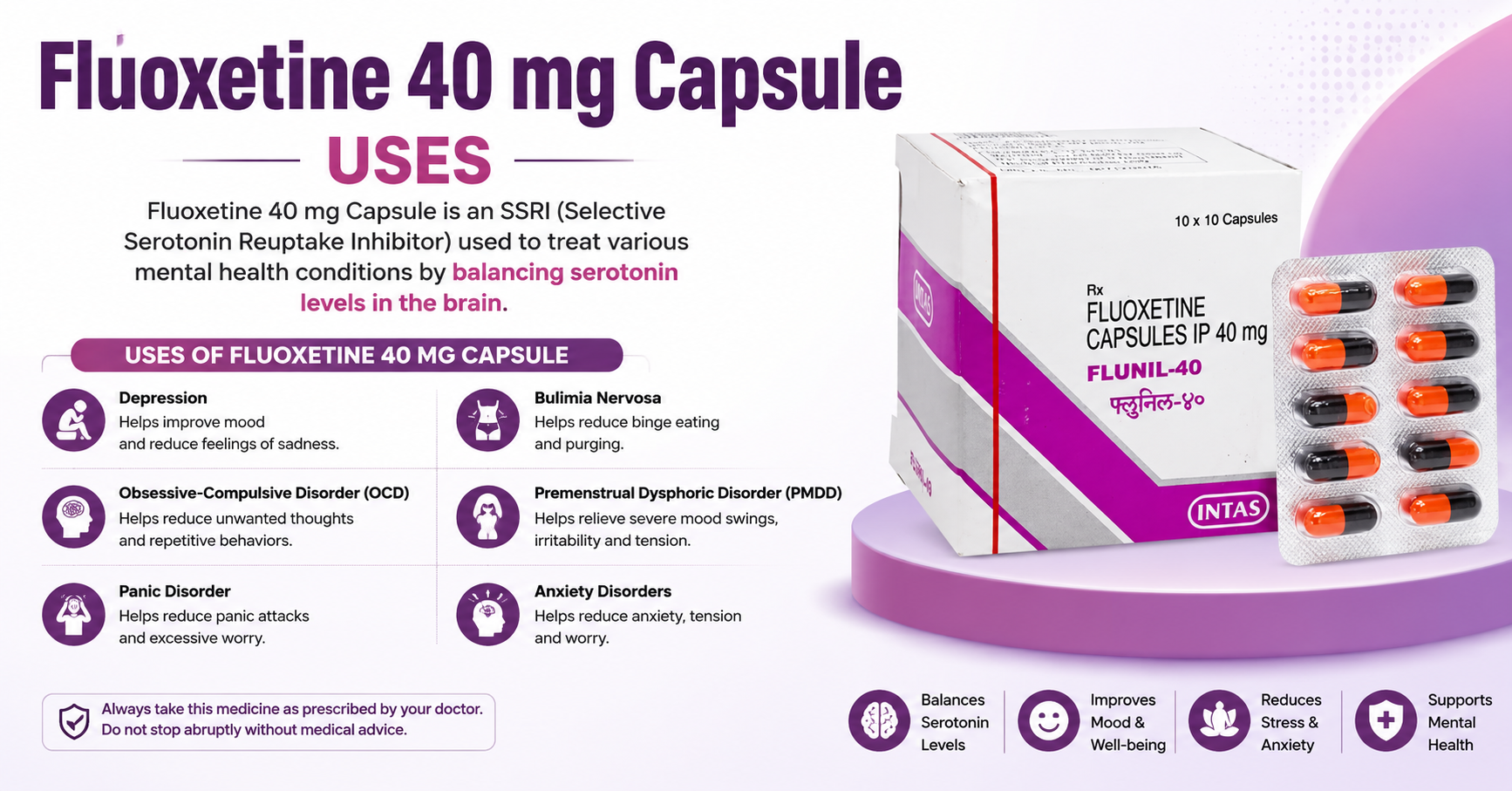
Different types of therapies and medications can be suggested by many healthcare professionals according to personal needs. One such therapy can be the prescription of Fluoxetine 40 mg capsule in some cases. Personal medical history, current symptoms, and general health conditions are considered before choosing the optimal course of treatment. The proper guidance from medical experts is essential in such cases.
The second common medication is Fluxican 60 Mg (Fluoxetine), and it can be prescribed to some patients under the conditions that they need to take fluoxetine. In such cases, mental health experts will keep track of personal development and change the treatment strategy if it is necessary. Besides medical treatment, the support and good habits also matter.
.
Understanding Depression and Anxiety
Though depression and anxiety are distinct disorders, they are frequently co-morbid. Depression has impacts on an individual’s emotions and energy, while anxiety results in worrying, being fearful, and nervous. Both depression and anxiety impair a person’s ability to work, socialize, and live their lives normally.
The symptoms could be observed in a matter of weeks or even months.
Common Symptoms of Depression
Depression symptoms may include:
- Persistent sadness
- Loss of interest in activities
- Lack of energy
- Changes in sleep patterns
- Difficulty concentrating
- Feelings of hopelessness
- Appetite changes
- Social withdrawal
Symptoms vary from person to person. Some people experience mild symptoms, while others face severe emotional challenges.
Common Symptoms of Anxiety
Anxiety may cause:
- Constant worry
- Restlessness
- Trouble sleeping
- Fast heartbeat
- Muscle tension
- Difficulty focusing
- Irritability
- Feelings of fear or panic
Many people experience occasional anxiety, but persistent symptoms require medical attention.
Causes of Depression and Anxiety
Several factors contribute to these conditions. Common causes include:
Genetics
Family history may increase the risk of depression and anxiety. People with close relatives who have mental health conditions may be more likely to experience similar issues.
Stress
Long-term stress from work, financial problems, relationships, or personal losses can affect emotional health.
Brain Chemistry
Changes in neurotransmitters may influence mood and emotions.
Medical Conditions
Certain illnesses and chronic pain conditions can contribute to emotional distress.
Life Events
Traumatic experiences, grief, or major life changes may trigger symptoms.
Importance of Early Diagnosis
Mental health awareness is becoming more common in countries such as USA, Canada, and Australia. Professionals in the healthcare industry and government organizations encourage people to consult with professionals in case they develop symptoms of depression and anxiety. These countries are trying to counteract the stigma associated with mental disorders.
Education and support networks have been put in place to educate people on these conditions.
Treatment Options for Depression and Anxiety
Treatment usually involves several approaches. Doctors develop personalized plans based on individual needs.
Professional Counseling
Counseling helps people understand emotions and develop healthy coping strategies. Talking with a trained therapist provides support and practical techniques for managing stress and negative thoughts.
Cognitive Behavioral Therapy
Cognitive Behavioral Therapy, often called CBT, helps people identify harmful thought patterns and replace them with healthier ones. This therapy is widely used for depression and anxiety management.
Medication Management
Doctors sometimes prescribe medicines when symptoms significantly affect daily life. They monitor treatment progress and make adjustments if necessary. Patients should always follow medical advice and avoid changing dosages without consulting their healthcare provider.
Support Systems
Family members, friends, and support groups provide encouragement and emotional support during recovery. Positive relationships often help people feel less isolated.
Lifestyle Changes That Support Recovery
Healthy habits play an important role in managing depression and anxiety.
Regular Exercise
Physical activity helps release chemicals that improve mood. Walking, yoga, swimming, or cycling can reduce stress and increase energy.
Balanced Nutrition
Healthy foods support brain function and overall health. Fruits, vegetables, whole grains, and protein-rich foods contribute to emotional well-being.
Quality Sleep
Good sleep helps regulate mood and improve concentration. Establishing a regular bedtime routine can support mental health.
Stress Management
Meditation, breathing exercises, and relaxation techniques help reduce anxiety and promote emotional balance.
Social Connections
Maintaining relationships with loved ones provides emotional support and reduces feelings of loneliness.
Mental Health Awareness in the USA, Canada, and Australia
Awareness concerning mental well-being is increasing in USA, Canada, and Australia. There are many professionals in the healthcare sector and public agencies who urge people to visit professionals when they experience the symptoms. There is an attempt by these nations to fight the stigmatization of mental illness.
There are educational and supportive systems that teach people about depression and anxiety.
When to Seek Medical Help
People should consult a healthcare professional if symptoms:
- Last for several weeks
- Affect work or relationships
- Cause severe stress
- Lead to sleep problems
- Create feelings of hopelessness
- Interfere with daily activities
Immediate professional support is essential when someone experiences thoughts of self-harm or emotional crises.
Tips for Long-Term Emotional Wellness
Maintaining mental health requires ongoing attention. Helpful habits include:
- Staying physically active
- Eating nutritious foods
- Practicing relaxation techniques
- Getting enough sleep
- Building strong relationships
- Seeking support when needed
- Following treatment plans consistently
Small positive changes can create lasting improvements over time.
Conclusion
People around the world suffer from depression and anxiety disorders, but there are solutions to these problems. Proper diagnosis, therapy, healthy living practices, and medical assistance play a key role in coping with these conditions and improving one’s quality of life. Americans, Canadians, and Australians are still able to reap the benefits of increased mental health awareness and the accessibility of treatment programs. Getting assistance is a good step to take on the way to recovery.

 English
 Arabic
 French
 Spanish
 Portuguese
 Turkish
 Dutch
Dutch
 Italiano
 Russian
 Romaian
 Portuguese (Brazil)
 Greek
Greek
