
What Should You Avoid After Breast Augmentation Surgery?
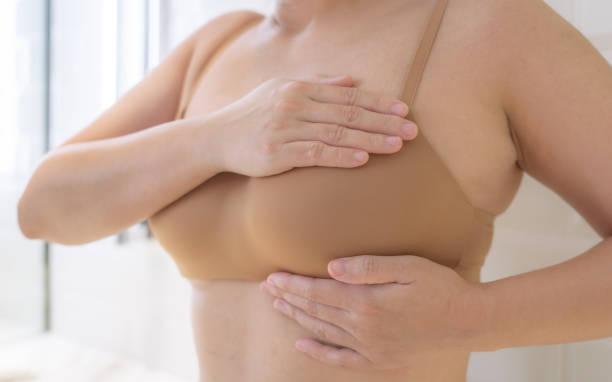
Breast augmentation requires a period of healing during which the body gradually adjusts to the implants and surgical changes. Knowing what activities and habits to avoid can help support recovery and reduce unnecessary strain on the treated area. Patients undergoing Breast Augmentation Surgery in Riyadh should follow their surgeon's personalized instructions and understand that recovery can vary depending on the surgical technique, implant placement, and individual healing.
The early recovery period is an important time to protect the incisions and allow the tissues around the implants to heal properly. After Breast Augmentation Surgery in Riyadh, patients should avoid rushing back into normal routines, even if they begin feeling better quickly. Following medical guidance and gradually increasing activities can help create a smoother recovery experience.
Avoid Strenuous Exercise Too Soon
Skip Heavy Lifting
Heavy lifting can place pressure on the chest muscles and healing tissues. Patients should avoid lifting heavy objects until their surgeon confirms that it is safe to resume this activity. This includes household tasks or carrying items that require significant upper-body effort.
Delay Intense Workouts
Running, weightlifting, intense cardio, and exercises involving substantial chest or upper-body movement may need to be restricted during early recovery. Your surgeon can advise when specific activities can safely be reintroduced based on your progress.
Avoid Excessive Arm and Chest Movement
Some everyday movements may place unexpected strain on healing tissues. Repeated overhead reaching, forceful pushing, pulling, or vigorous arm movements may need to be limited initially. Moving carefully and avoiding unnecessary strain can help protect the surgical area while healing takes place.
Do Not Ignore Your Surgical Instructions
Follow Wound-Care Guidance
Incision care is an important part of recovery. Avoid touching, rubbing, or applying products to healing incisions unless your medical team has recommended them. Keep the surgical area cared for according to the specific instructions provided by your surgeon.
Take Medications as Directed
If medications are prescribed after surgery, take them according to your medical team's instructions. Do not independently change doses, discontinue medication, or add other medicines without professional advice, particularly during the early recovery period.
Avoid Smoking and Nicotine
Smoking and nicotine use can interfere with wound healing and may increase certain surgical risks. Patients should discuss smoking and nicotine use openly with their surgeon and follow individualized recommendations about when it is safe to resume or whether continued avoidance is advised.
Avoid Sleeping in Positions Your Surgeon Has Restricted
Your sleeping position may need to be modified temporarily after breast augmentation. Some patients may be advised to sleep on their back and use supportive positioning to avoid unnecessary pressure on the breasts. Follow your surgeon's specific instructions rather than assuming that a particular sleeping position is appropriate for everyone.
Avoid Pressure on the Breasts
Be Careful With Clothing
Tight or restrictive clothing may create unnecessary pressure around the surgical area. Your surgeon may recommend specific supportive garments during recovery. Choose clothing that is comfortable and easy to put on without excessive arm or chest movement.
Avoid Direct Pressure
Patients should avoid activities that place significant direct pressure on the breasts while the tissues are healing. This includes certain physical activities and positions that compress the surgical area. Your surgeon can advise when these activities can be safely resumed.
Avoid Swimming and Soaking Until Cleared
Swimming pools, hot tubs, baths, and other activities involving prolonged water exposure may be restricted while incisions are healing. The timing for returning to these activities depends on incision healing and your surgeon's recommendations. Do not assume that an incision is ready simply because it looks better externally.
Avoid Rushing Back to Work or Normal Activities
Returning to work depends on the nature of your job and how your body is healing. Desk-based work may be possible sooner for some patients, while physically demanding jobs may require a longer recovery period. Follow your surgeon's advice and avoid using someone else's recovery timeline as a guide.
Avoid Ignoring Unusual Symptoms
Some swelling, bruising, tightness, tenderness, and temporary changes in sensation can occur during recovery. However, rapidly increasing swelling, severe or worsening pain, significant bleeding, fever, unusual drainage, marked redness, or other concerning changes should be reported to your surgical team.
Emergency symptoms such as chest pain, serious difficulty breathing, fainting, or sudden severe deterioration require urgent medical attention. Prompt assessment can help identify complications that may require treatment.
Be Patient With Your Final Results
After Breast Augmentation Surgery in Riyadh, the breasts may initially look swollen, feel firm, or sit differently from the eventual result. Healing and tissue settling take time, so patients should avoid judging the final outcome too early. Following recovery instructions and attending follow-up appointments can help monitor progress.
Book a Consultation at Royal Clinic Saudia
If you are considering breast augmentation or have questions about postoperative recovery, Royal Clinic Saudia can provide personalized guidance about preparation, activity restrictions, incision care, and recovery expectations. Schedule a consultation to discuss your treatment and receive professional medical advice.
FAQs:
Can I exercise immediately after breast augmentation?
Strenuous exercise should generally be avoided during the early recovery period. Your surgeon will determine when you can gradually return to specific activities based on your healing.
Can I sleep on my side after breast augmentation?
Your surgeon may recommend a particular sleeping position during the initial recovery period. Follow their instructions about when it is appropriate to return to side or stomach sleeping.
Can I swim after breast augmentation?
Swimming and prolonged soaking may need to be avoided until the incisions have adequately healed and your surgeon gives you clearance.
Can I lift heavy objects after breast augmentation?
Heavy lifting should be avoided until your surgeon confirms that your tissues have healed sufficiently. Returning to lifting too early can place unnecessary strain on the healing area.

 English
 Arabic
 French
 Spanish
 Portuguese
 Deutsch
 Turkish
 Dutch
Dutch
 Italiano
 Russian
 Portuguese (Brazil)
 Greek
Greek
