
What Is Fiberglass? Uses, Properties, and Benefits Explained
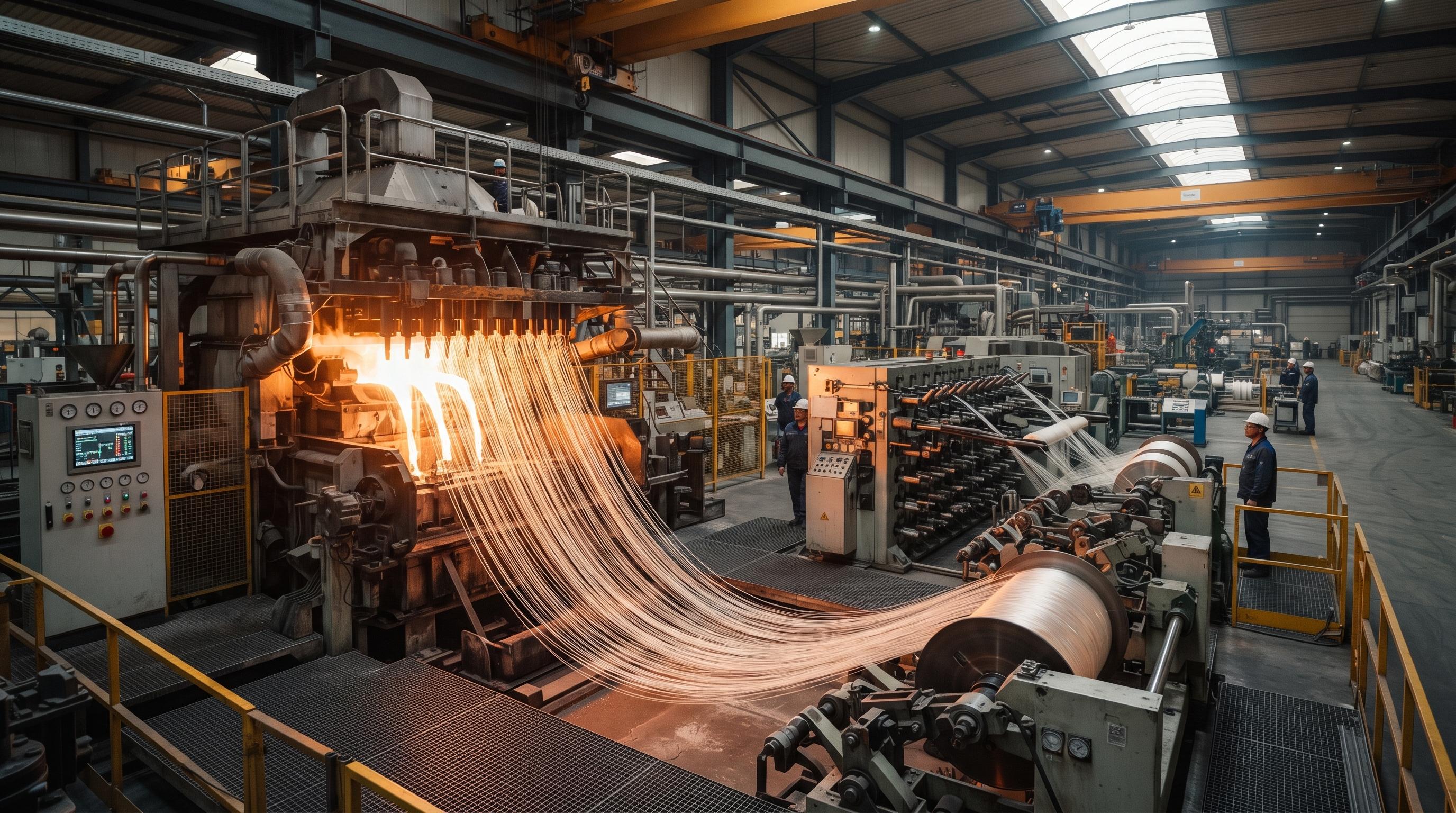
If you are wondering what is fiberglass, it is a strong and lightweight material made primarily from very fine glass fibers. These tiny fibers are combined with a resin or another binding material to create a composite that offers strength, durability, flexibility, and resistance to many environmental conditions. Fiberglass is widely used in construction, transportation, marine products, electrical equipment, sports products, storage systems, and many other applications. Its combination of low weight and high strength makes it a useful alternative to some traditional materials. Understanding fiberglass means looking at its composition, manufacturing process, properties, advantages, limitations, and practical applications.
What Is Fiberglass?
Fiberglass is a material produced by drawing molten glass into extremely fine fibers. These fibers can be woven into fabrics, arranged into mats, or combined with resin to form a rigid composite material. The glass itself provides strength and stiffness, while the resin holds the fibers together and gives the finished product its shape. Fiberglass is therefore often considered a glass-reinforced composite material rather than simply a type of glass. Its physical properties can vary depending on the type of glass, fiber arrangement, resin system, manufacturing technique, and final product design. This versatility allows fiberglass to be manufactured for different performance requirements.
How Is Fiberglass Made?
Fiberglass manufacturing begins with glass raw materials that are heated until they become molten. The molten glass is then passed through specially designed openings that transform it into extremely thin continuous fibers. These fibers may receive a protective coating to improve handling and compatibility with resin systems. Afterward, the fibers can be gathered into strands, woven into fabrics, formed into mats, or arranged in specific directions depending on the intended application. When fiberglass is combined with a suitable resin and cured, the result is a rigid composite material. Different manufacturing methods can produce fiberglass products with different shapes, thicknesses, strength characteristics, and surface finishes.
What Is Fiberglass Made Of?
Fiberglass is primarily made from glass that has been processed into fine fibers, but the final composite product usually contains both reinforcing glass fibers and a polymer resin. The glass fibers provide much of the mechanical strength and stiffness, while the resin binds the fibers together and protects them from the surrounding environment. Different glass compositions can be selected depending on the desired performance characteristics. The resin can also vary, with different resin systems offering different levels of chemical resistance, temperature resistance, flexibility, and durability. Because manufacturers can change both the fiber structure and resin system, fiberglass can be designed for a wide range of applications.
Properties of Fiberglass
Fiberglass has several properties that make it useful across many industries. It is relatively lightweight compared with many conventional structural materials while still offering good strength and stiffness. Fiberglass can resist moisture, corrosion, and many environmental conditions, depending on the resin system used. It also has useful electrical insulating properties, making it suitable for certain electrical and electronic applications. Fiberglass can be molded into complex shapes, allowing manufacturers to create products with specific designs and dimensions. Its resistance to rust is another important advantage, particularly in environments where metal products may experience corrosion. These properties make fiberglass a versatile material for both commercial and industrial applications.
Why Is Fiberglass So Strong?
Fiberglass gets much of its strength from the fine glass fibers that reinforce the surrounding resin. Individual glass fibers can have excellent tensile strength, and arranging many fibers within a resin matrix allows their properties to contribute to the performance of the finished composite. The direction of the fibers also matters. Fibers can be arranged in different orientations depending on the forces that a product is expected to experience. When the fibers are properly positioned and bonded with the resin, the resulting material can provide a strong and durable structure without requiring the weight associated with some traditional materials.
Common Uses of Fiberglass
Fiberglass is used in a wide range of products because it combines strength, low weight, corrosion resistance, and design flexibility. In construction, it can be found in roofing products, panels, pipes, insulation systems, tanks, and reinforced structures. In transportation, fiberglass composites are used for vehicle components, body panels, boats, and other lightweight structures. Electrical industries use fiberglass materials because of their insulating characteristics. Fiberglass is also found in sporting equipment, storage containers, ladders, decorative products, and industrial components. Its wide range of uses demonstrates how adaptable the material can be when manufacturers select an appropriate fiber arrangement and resin system.
Fiberglass in Construction
The construction industry uses fiberglass for many applications where durability and resistance to moisture or corrosion are important. Fiberglass panels can be used in walls, roofs, enclosures, and other building components. Fiberglass-reinforced materials can also be used for pipes, tanks, structural components, and reinforcement systems. Unlike ordinary steel, fiberglass does not rust, which can make it valuable in damp or chemically challenging environments. Its relatively low weight can also simplify transportation and installation. Depending on the application, fiberglass products can be manufactured with different surface finishes, thicknesses, and reinforcement arrangements to meet specific construction requirements.
Fiberglass in Boats and Marine Products
Fiberglass has become especially popular in marine applications because of its resistance to moisture and corrosion. Boats, kayaks, canoes, decks, covers, and other marine components can be manufactured using fiberglass composites. The material can be shaped into smooth aerodynamic or hydrodynamic forms while maintaining good structural performance. Unlike many metal materials, fiberglass does not develop conventional rust, which can be a major advantage in marine environments. Properly manufactured and maintained fiberglass products can remain useful for many years, although exposure to sunlight, impact, moisture, and poor maintenance can eventually affect their appearance and performance.
Fiberglass for Electrical Applications
Fiberglass can be useful in electrical applications because glass fibers themselves are electrically insulating. Fiberglass-reinforced materials may therefore be used for components that need mechanical strength combined with electrical insulation. Examples can include certain electrical panels, supports, enclosures, insulating components, and industrial equipment. The specific electrical performance depends on the complete composite system, including the resin and manufacturing process. For applications involving electricity, the material must be selected according to the required electrical, thermal, mechanical, and environmental properties rather than simply assuming that every fiberglass product has identical performance.
Fiberglass Insulation
Fiberglass is also widely associated with insulation. Fiberglass insulation consists of very fine glass fibers arranged to trap air within the material. The trapped air reduces heat transfer, helping buildings maintain more stable indoor temperatures. Fiberglass insulation can be installed in walls, ceilings, attics, and other areas of buildings. It can also contribute to energy efficiency by reducing the amount of heating or cooling needed to maintain comfortable indoor conditions. Proper installation is important because gaps, compression, moisture, or incorrect placement can reduce insulation performance. Protective equipment should also be used when handling loose fiberglass insulation because tiny fibers can irritate the skin, eyes, and respiratory system.
Advantages of Fiberglass
Fiberglass offers several advantages that explain its popularity in industrial and everyday products. Its relatively low weight makes it easier to transport and handle than many heavier structural materials. It provides good strength and stiffness, particularly when fibers are arranged according to the expected load. Fiberglass also offers strong resistance to rust and many forms of corrosion. It can be molded into complicated shapes and produced with different surface finishes. Its electrical insulating properties are useful for specific applications, while its resistance to moisture makes it practical for many outdoor and marine products. These advantages make fiberglass a flexible material for designers and manufacturers.
Limitations of Fiberglass
Although fiberglass has many useful properties, it also has limitations. The material can become damaged by strong impacts, particularly when the impact causes cracking or separation between the fibers and resin. Long-term exposure to ultraviolet radiation can also affect certain resin systems and surface finishes. Repairing damaged fiberglass requires appropriate techniques because simply covering a damaged area may not restore the original structural performance. Some fiberglass products can also be difficult to recycle because they combine glass fibers with thermosetting resins. During cutting, sanding, or machining, fine fiberglass particles may become airborne, so suitable protective measures are important.
Is Fiberglass Waterproof?
Fiberglass itself has good resistance to water, but whether a fiberglass product is completely waterproof depends on its construction, resin system, joints, coatings, and overall design. A properly manufactured fiberglass composite can provide excellent moisture resistance and can be used in wet environments. However, cracks, damaged coatings, poorly sealed joints, or manufacturing defects can allow water to enter parts of a structure. For this reason, fiberglass products intended for continuous exposure to water should be designed and maintained specifically for that environment.
Is Fiberglass Durable?
Fiberglass can be highly durable when it is correctly designed, manufactured, installed, and maintained. Its resistance to corrosion and moisture can give it an advantage over materials that are more vulnerable to rust or environmental degradation. However, durability depends on the specific fiberglass product and the conditions in which it is used. Strong impacts, prolonged ultraviolet exposure, extreme temperatures, chemicals, and poor maintenance can influence service life. A high-quality fiberglass composite used in an appropriate environment can provide long-term performance.
Fiberglass vs Traditional Materials
Fiberglass is often compared with materials such as steel, aluminum, wood, and conventional plastics. Its major advantage is the combination of strength, low weight, corrosion resistance, and manufacturing flexibility. Steel may provide greater density and certain structural advantages but can be vulnerable to corrosion without appropriate protection. Aluminum is lightweight and corrosion resistant but may not provide the same combination of composite design flexibility. Wood has natural appeal and useful structural properties but can be affected by moisture, insects, and environmental conditions. Fiberglass offers a different balance of properties, making it particularly valuable when lightweight and corrosion-resistant construction is important.
Is Fiberglass Safe?
Fiberglass products that are properly manufactured and used for their intended purpose can be safe. However, handling loose fiberglass fibers or cutting and sanding fiberglass composites can release small particles that may irritate the skin, eyes, and respiratory system. Workers should follow appropriate safety procedures and use suitable protective equipment when handling fiberglass materials. Products such as fiberglass insulation should be installed according to proper safety practices. Safety requirements can vary depending on the specific fiberglass product and the task being performed, so product-specific instructions should always be followed.
Environmental Considerations of Fiberglass
Fiberglass has environmental benefits and challenges. Its long service life can reduce the need for frequent replacement, and its lightweight nature can reduce material use or transportation weight in some applications. However, recycling fiberglass composites can be difficult because glass fibers are bonded with resin. Disposal can therefore be a challenge for certain products. Researchers and manufacturers continue to explore improved recycling processes and alternative resin systems that could make fiberglass composites easier to recover at the end of their useful life.
How to Maintain Fiberglass Products
Proper maintenance can extend the useful life of fiberglass products. Regular cleaning can help prevent the buildup of dirt, chemicals, and other substances that may affect the surface. Scratches, cracks, discoloration, and other signs of damage should be inspected periodically. Fiberglass products exposed to sunlight may benefit from suitable protective coatings or surface treatments when recommended for the specific product. Avoiding unnecessary impact and using appropriate cleaning products can also help preserve the surface. Maintenance requirements vary according to the product, so the manufacturer's care instructions should be followed whenever available.
Frequently Asked Questions
What is fiberglass in simple words?
Fiberglass is a lightweight material made from very fine glass fibers. These fibers are often combined with resin to create a strong composite material that can be shaped into many different products.
What is fiberglass used for?
Fiberglass is used for construction materials, insulation, boats, vehicle components, pipes, tanks, electrical equipment, sporting goods, panels, and many industrial products.
Is fiberglass stronger than plastic?
Fiberglass-reinforced plastic is generally stronger and stiffer than ordinary plastic because the glass fibers reinforce the polymer material. The actual performance depends on the type of fibers, resin, and manufacturing process.
Is fiberglass better than metal?
Fiberglass can be better than metal for applications where low weight, corrosion resistance, electrical insulation, and design flexibility are important. Metal can be preferable when specific structural, temperature, or impact requirements demand it.
Does fiberglass rust?
No, fiberglass does not rust like iron or steel. This resistance to rust is one of the reasons fiberglass is commonly used in wet, outdoor, and marine environments.
Can fiberglass get wet?
Yes, fiberglass can be exposed to water and moisture, and many fiberglass products are designed for wet environments. However, cracks, damaged surfaces, and poorly sealed areas can allow water to affect the underlying structure.
Is fiberglass good for insulation?
Yes, fiberglass is widely used as building insulation because its fine fibers trap air and help reduce heat transfer. Proper installation is important for achieving good insulation performance.
Is fiberglass easy to repair?
Many fiberglass products can be repaired, but the appropriate repair method depends on the type and extent of damage. Cracks, holes, delamination, and structural damage may require different repair techniques.
Does fiberglass break easily?
Fiberglass is generally durable, but it can crack or break under severe impact or excessive stress. The resistance to damage depends on the fiber arrangement, resin system, thickness, and product design.
Why is fiberglass so popular?
Fiberglass is popular because it offers a useful combination of strength, low weight, corrosion resistance, electrical insulation, design flexibility, and durability. These properties allow it to serve many different industries.
Conclusion
Understanding what is fiberglass helps explain why this material is used in so many modern products and industries. Fiberglass is made from fine glass fibers that are commonly combined with resin to create a lightweight and strong composite material. Its resistance to corrosion, moisture, and many environmental conditions makes it useful in construction, transportation, marine products, electrical equipment, insulation, and industrial applications. Although fiberglass has limitations related to impact damage, recycling, surface degradation, and safe handling, its overall combination of useful properties makes it a highly versatile material. With proper design, manufacturing, installation, and maintenance, fiberglass can provide durable performance across a wide range of applications.

 English
 Arabic
 French
 Spanish
 Portuguese
 Deutsch
 Turkish
 Dutch
Dutch
 Italiano
 Russian
 Romaian
 Portuguese (Brazil)
