
How Reputable Clinics Personalize Tattoo Removal Treatment Plans
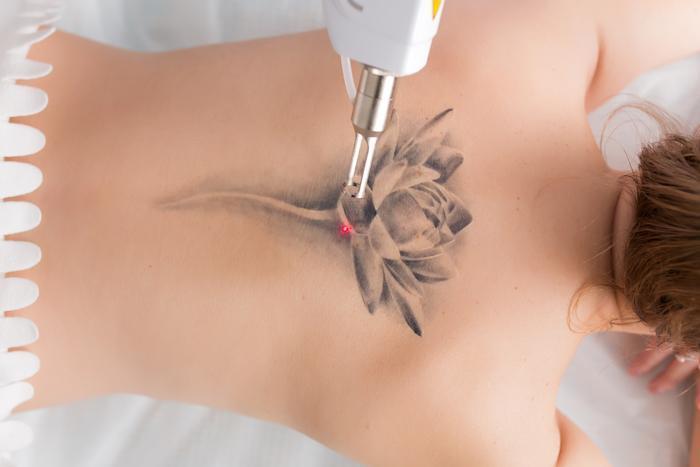
Tattoo removal is not a one-size-fits-all procedure. Reputable clinics understand that every tattoo has different characteristics, and every patient responds differently to treatment. Factors such as ink color, tattoo size, skin type, tattoo age, ink depth, and previous removal attempts can all influence the recommended approach. A personalized treatment plan allows professionals to select suitable technology, treatment settings, session intervals, and aftercare according to individual needs.
For people considering Tattoo removal in Islamabad, understanding how clinics personalize treatment plans can make the consultation process easier and help set realistic expectations. Rather than promising identical results for everyone, a reputable clinic evaluates the tattoo and the patient's skin before recommending a treatment strategy.
What Is a Personalized Tattoo Removal Plan?
A personalized tattoo removal plan is an individualized approach based on the characteristics of the tattoo and the patient's skin. During an assessment, a qualified professional considers several variables before determining how the treatment should be performed.
A personalized plan may consider:
- Tattoo size, location, and ink density
- Different ink colors used in the design
- Skin tone and individual skin characteristics
- Tattoo age and depth of pigment
- Professional versus amateur tattooing
- Previous tattoo removal treatments
- Existing scars or changes in the treatment area
- Expected recovery and aftercare requirements
This assessment helps the clinic determine an appropriate treatment strategy instead of relying on a standard schedule for every patient.
Why Tattoo Characteristics Matter
The composition and appearance of a tattoo can significantly affect the removal process. Professional tattoos may contain pigment at different depths and concentrations, while amateur tattoos can have less predictable pigment distribution.
Ink color is another important consideration. Different wavelengths of laser energy interact with different pigments in different ways. Darker pigments may respond differently from certain lighter or more resistant colors.
A reputable clinic therefore examines the complete tattoo before recommending a treatment approach. The goal is to understand how the pigment may respond and create a plan based on the individual case.
Skin Assessment Before Treatment
Skin assessment is an important part of personalized tattoo removal. Professionals consider the patient's skin characteristics before selecting treatment parameters.
During the consultation, the practitioner may assess:
- Natural skin tone
- Sensitivity of the treatment area
- Previous reactions to cosmetic procedures
- Presence of scars or pigmentation changes
- Current skin condition
- History of previous tattoo removal
This information helps reduce unnecessary risks and supports safer treatment planning. Patients should also provide accurate information about previous procedures, medications, skin problems, or reactions that may affect treatment suitability.
Choosing Appropriate Laser Technology
Reputable clinics do not simply use the same laser settings for every tattoo. Technology and treatment parameters may be selected according to pigment characteristics and skin type.
Laser tattoo removal generally works by delivering controlled energy to tattoo pigment. The fragmented pigment can then be gradually cleared by the body's natural processes. The exact technology and settings used depend on the tattoo and the patient's individual characteristics.
A qualified professional should explain:
- Which technology is being considered
- Why it may be appropriate for the tattoo
- What type of pigment is being targeted
- What results may reasonably be expected
- What limitations may exist
This transparent approach helps patients understand that tattoo removal is usually a gradual process rather than an instant procedure.
Personalizing the Number of Sessions
One of the most important aspects of treatment planning is determining realistic expectations regarding the number of sessions. There is no universal number that guarantees complete tattoo removal.
The required number of sessions may depend on:
- Tattoo size
- Ink colors
- Pigment concentration
- Tattoo depth
- Location
- Skin characteristics
- Response to previous sessions
- Type of tattoo
Reputable clinics monitor progress between appointments rather than automatically scheduling an identical number of treatments for every patient. The treatment plan can be adjusted as the tattoo gradually becomes lighter.
Adjusting Treatment According to Progress
Personalization does not stop after the first consultation. A professional clinic evaluates the treatment area after sessions and considers how the tattoo has responded.
If pigment is fading appropriately, the practitioner may continue with the established strategy. If the response is slower than expected, the treatment plan may require reassessment.
This ongoing evaluation is valuable because individual responses can vary. A reputable approach focuses on gradual improvement rather than unnecessarily aggressive treatment.
Considering Tattoo Location
Tattoo location can also influence treatment planning. Different areas of the body may respond differently because of variations in circulation, skin thickness, and other biological factors.
For example, a tattoo located on one part of the body may fade at a different rate from a similar tattoo located elsewhere. A professional therefore considers location when discussing expected treatment progression and session spacing.
How Reputable Clinics Prioritize Patient Safety
Patient safety should remain central to personalized tattoo removal. Appropriate treatment planning involves balancing the desired cosmetic outcome with the patient's skin characteristics and recovery needs.
A responsible clinic should:
- Conduct an appropriate consultation before treatment
- Review relevant medical and treatment history
- Assess the tattoo and surrounding skin
- Explain potential side effects and limitations
- Provide suitable aftercare instructions
- Monitor the skin during the treatment journey
- Avoid unrealistic promises about complete removal
Patients should be encouraged to ask questions and understand the proposed treatment before proceeding.
The Importance of a Professional Consultation
A consultation provides an opportunity to evaluate whether tattoo removal is suitable and what approach may be appropriate. It also allows patients to discuss their goals.
Some people want complete tattoo removal, while others may simply want the tattoo lightened for a cover-up. These different goals can influence the treatment strategy.
A good consultation should discuss:
- Desired outcome
- Tattoo characteristics
- Suitable treatment options
- Expected timeline
- Possible side effects
- Aftercare
- Factors that could influence results
Clear communication helps create realistic expectations and supports informed decision-making.
Choosing a Trusted Tattoo Removal Clinic in Islamabad
When searching for a tattoo removal provider, patients should look beyond promotional claims. A reputable clinic should demonstrate professionalism, appropriate treatment knowledge, transparent communication, and a patient-centered approach.
SKN Cosmetics in Islamabad provides patients with a clinic setting where treatment planning can be discussed according to individual concerns and aesthetic goals. During a consultation, patients can discuss their tattoo characteristics, expected outcomes, treatment considerations, and aftercare requirements. Choosing a clinic that emphasizes assessment and personalized planning can help patients make a more informed decision about their treatment journey.
Aftercare Is Part of Personalization
Aftercare should also be adapted to the treatment area and the patient's skin response. Patients are generally advised to follow the clinic's specific instructions rather than relying on generic online advice.
Depending on the procedure, aftercare may involve protecting the treated area, keeping it clean, avoiding unnecessary irritation, and following professional instructions regarding sun exposure and skincare products.
Following aftercare instructions carefully can support proper recovery and reduce avoidable complications.
What Makes a Tattoo Removal Plan Evidence-Based?
An evidence-based approach combines professional assessment, appropriate technology, realistic expectations, and ongoing monitoring. Reputable clinics avoid guaranteeing identical results because tattoo removal outcomes can vary considerably.
A strong treatment plan should be:
- Individualized: Based on the patient's tattoo and skin characteristics.
- Evidence-informed: Uses established treatment principles and appropriate technology.
- Progressive: Adjusted according to the response after each session.
- Transparent: Explains benefits, limitations, risks, and expectations.
- Patient-focused: Considers the patient's goals and comfort throughout treatment.
This approach supports better decision-making and encourages patients to view tattoo removal as a carefully managed treatment journey.
Key Takeaway
Reputable clinics personalize tattoo removal by evaluating the tattoo, skin type, pigment characteristics, location, previous treatments, and the patient's desired outcome. Instead of applying the same protocol to everyone, professionals can adjust treatment parameters and session planning according to individual response. For anyone considering tattoo removal, choosing a clinic that prioritizes professional assessment, realistic expectations, safety, and ongoing monitoring is an important part of the process.
Frequently Asked Questions
How do clinics personalize tattoo removal?
Clinics assess the tattoo's size, colors, depth, location, skin type, and previous treatments before developing an individualized plan.
How many tattoo removal sessions are needed?
The number varies from person to person and depends on factors such as tattoo characteristics and how the skin responds to treatment.
Does tattoo color affect removal?
Yes. Different ink colors can respond differently to laser energy, so color is an important part of treatment planning.
Can the treatment plan change after a session?
Yes. Reputable professionals can reassess the tattoo's response and modify future treatment settings or timing when appropriate.
Is tattoo removal completely guaranteed?
No. Results vary between individuals, and complete removal cannot be guaranteed. A professional consultation helps establish realistic expectations.

 English
 Arabic
 French
 Spanish
 Portuguese
 Deutsch
 Turkish
 Dutch
Dutch
 Russian
 Romaian
 Portuguese (Brazil)
 Greek
Greek
