
How to Create an Effective Home Treadmill Workout Plan
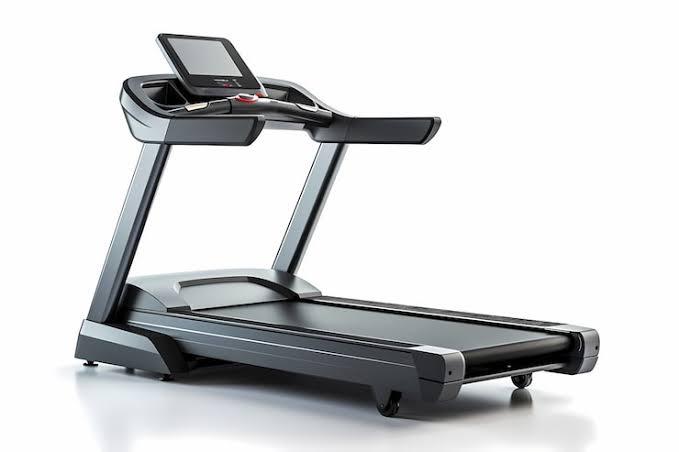
treadmill is one of the most convenient pieces of fitness equipment for working out at home. Whether your goal is to lose weight, improve cardiovascular fitness, build endurance, or simply stay active, a well-planned treadmill routine can help you make steady progress. However, walking or running randomly without a structured plan may make it harder to achieve your fitness goals.
Creating an effective home treadmill workout plan starts with understanding your goal, fitness level, and available time. Here’s how to build a routine that is practical, enjoyable, and easy to follow.
1. Set a Clear Fitness Goal
Before starting your treadmill workout plan, decide what you want to achieve. Your goal could be weight management, better cardiovascular health, improved stamina, faster running, or general fitness.
Your goal determines the type and intensity of workouts you should include. For example, someone focusing on endurance may spend more time walking or running at a steady pace, while someone looking to burn more calories may benefit from interval training.
2. Start According to Your Fitness Level
Avoid beginning with an advanced workout if you are new to exercise. Starting too aggressively can lead to excessive fatigue and may increase the risk of discomfort or injury.
Beginners can start with 20–30 minutes of comfortable walking three to four days per week. As your fitness improves, gradually increase your workout duration, speed, or incline.
If you already exercise regularly, you can include longer sessions, jogging, running, and more challenging incline workouts.
3. Always Include a Warm-Up
A proper warm-up prepares your body for exercise and helps you transition gradually into your workout. Begin with about 5–10 minutes of easy walking at a comfortable speed.
Once your body feels warm, gradually increase the speed or incline. Avoid immediately starting at your highest intensity.
4. Combine Different Treadmill Workouts
Doing the same treadmill workout every day can become repetitive. A better approach is to combine different training styles throughout the week.
Steady-State Walking: Maintain a comfortable, consistent pace for 30–45 minutes. This is suitable for beginners and general cardiovascular fitness.
Incline Walking: Increase the treadmill incline while maintaining a manageable walking speed. Incline training can make your workout more challenging without requiring you to run.
Interval Training: Alternate between periods of faster and slower movement. For example, walk comfortably for two minutes, followed by one minute of faster walking or jogging, and repeat.
Running Workouts: If you are an experienced runner, include steady runs, tempo sessions, or short speed intervals based on your fitness level.
5. Use Incline Strategically
Incline is a useful feature for adding variety and increasing workout intensity. Instead of relying only on speed, gradually increase the incline during selected workouts.
For beginners, a small incline can be enough. More experienced users can use higher inclines for shorter periods. Always maintain good posture and avoid holding onto the handrails unnecessarily.
6. Create a Weekly Schedule
A simple weekly schedule can make it easier to stay consistent. For example:
- Monday: 30-minute brisk walk
- Tuesday: Rest or light activity
- Wednesday: 30-minute incline workout
- Thursday: Rest
- Friday: 30-minute interval workout
- Saturday: 40-minute easy walk or jog
- Sunday: Rest
You can adjust the schedule according to your fitness level, goals, and available time. Recovery days are important because they allow your body to rest and adapt.
7. Increase Intensity Gradually
Progress is important, but increasing your workload too quickly can make workouts unnecessarily difficult. Instead, make small changes over time.
You might first increase your workout duration, then gradually increase speed or incline. Pay attention to how your body responds and reduce the intensity if you experience unusual pain, dizziness, or excessive fatigue.
8. Track Your Progress
Keeping track of your workouts can help you stay motivated. Record details such as workout duration, distance, speed, incline, and how challenging the session felt.
Over several weeks, you may notice that you can walk farther, maintain a faster pace, or exercise for longer without becoming as tired.
Conclusion
An effective home treadmill workout plan does not need to be complicated. Set a clear goal, choose workouts that match your fitness level, include warm-ups and recovery days, and gradually increase the challenge. By combining steady walking, incline sessions, intervals, and running when appropriate, you can create a balanced routine that keeps your workouts productive and engaging.
Most importantly, focus on consistency. A realistic treadmill plan that you can follow regularly is more valuable than an intense routine that quickly becomes difficult to maintain.

 English
 Arabic
 Spanish
 Portuguese
 Deutsch
 Turkish
 Dutch
Dutch
 Italiano
 Russian
 Romaian
 Portuguese (Brazil)
 Greek
Greek
