
Rubber Liner UAE: Applications, Types, and Benefits
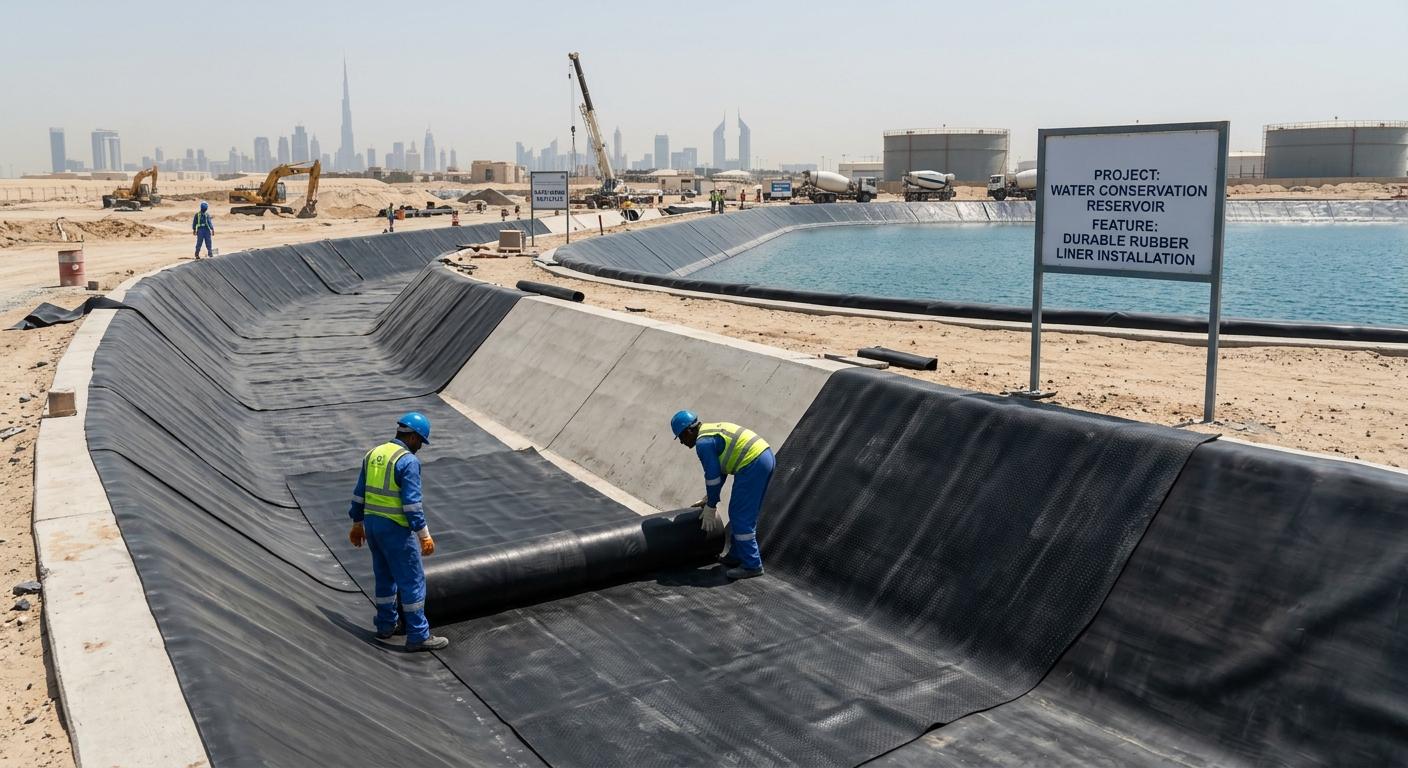
Rubber lining is an important protective solution used in industrial equipment, tanks, pipelines, chutes, and processing systems exposed to abrasion, corrosion, chemicals, and impact. Businesses looking for rubber liner UAE solutions can find different rubber materials and lining systems designed for specific industrial operating conditions.
A properly selected rubber liner can protect equipment surfaces, extend service life, reduce maintenance requirements, and help prevent premature damage caused by aggressive materials or operating environments.
What Is a Rubber Liner?
A rubber liner is a protective layer made from specially formulated rubber and applied to the internal or external surface of industrial equipment. The lining creates a barrier between the equipment surface and the material or environment it comes into contact with.
Rubber lining can be used to protect steel and other substrates from chemical attack, abrasion, impact, and moisture. The appropriate rubber compound depends on the application, operating temperature, chemicals involved, and expected mechanical wear.
Types of Rubber Liners
Different rubber compounds are available for different industrial requirements. Common options include:
Natural Rubber Liners
Natural rubber provides excellent resistance to abrasion and impact and can be suitable for applications involving abrasive slurries and bulk materials. It is commonly considered where flexibility and wear resistance are important.
EPDM Rubber Liners
EPDM offers good resistance to weathering, ozone, water, and many environmental conditions. It can be suitable for applications where exposure to water and outdoor conditions is expected.
Neoprene Rubber Liners
Neoprene provides a combination of mechanical properties, weather resistance, and resistance to certain oils and chemicals. It can be used in various industrial environments depending on the operating conditions.
Nitrile Rubber Liners
Nitrile rubber is known for its resistance to oils and hydrocarbons. It can be considered for applications where contact with petroleum-based fluids is a concern.
Butyl Rubber Liners
Butyl rubber provides low gas permeability and good resistance to certain chemicals. It can be used in specialized chemical and industrial applications.
The correct material should always be selected based on the manufacturer's chemical compatibility and temperature-resistance specifications.
Applications of Rubber Lining in UAE
Rubber liners are used across a wide range of industries in the UAE. Some common applications include:
-
Storage tanks
-
Chemical processing equipment
-
Pipelines
-
Slurry pipes
-
Pumps
-
Chutes
-
Hoppers
-
Mining equipment
-
Material-handling systems
-
Water treatment equipment
-
Industrial vessels
-
Flanges and pipe components
In abrasive applications, rubber lining can help reduce the direct impact of solid particles against metal surfaces. In chemical environments, a compatible lining can provide an additional protective barrier.
Rubber Liners for Tanks and Vessels
Industrial tanks and vessels may be exposed to chemicals, water, slurry, or other aggressive substances. Rubber lining can protect the underlying metal from corrosion and chemical attack when the selected rubber compound is compatible with the stored or processed material.
Before selecting a liner, factors such as chemical concentration, temperature, pressure, tank size, surface condition, and expected service life should be evaluated.
Abrasion-Resistant Rubber Liners
Equipment handling sand, minerals, aggregates, slurry, and other abrasive materials can experience significant surface wear. Abrasion-resistant rubber liners are designed to reduce the effect of repeated contact and impact.
They are commonly used in chutes, hoppers, pipelines, screens, and material-handling equipment. The thickness and hardness of the liner can vary depending on the severity of the application.
Benefits of Rubber Liners
Using the right rubber lining system can provide several advantages for industrial equipment.
Corrosion Protection
A compatible rubber lining creates a protective barrier between the substrate and corrosive substances, helping reduce surface deterioration.
Abrasion Resistance
Rubber can absorb impact and resist wear in applications involving abrasive materials, potentially extending equipment service intervals.
Chemical Resistance
Certain rubber compounds are designed to withstand exposure to specific chemicals. Proper material selection is essential because no single rubber compound is suitable for every chemical environment.
Reduced Maintenance
Protecting equipment surfaces can help reduce the frequency of repairs and replacement, particularly in demanding industrial operations.
Impact Protection
Rubber has flexibility and energy-absorbing properties that can make it useful in equipment exposed to repeated impact.
Choosing Rubber Liner UAE Suppliers
When sourcing rubber liner UAE products, buyers should evaluate the supplier's material range, technical expertise, manufacturing quality, and ability to provide customized solutions.
Important factors to discuss with a supplier include:
-
Rubber type and compound
-
Liner thickness
-
Hardness
-
Chemical compatibility
-
Abrasion resistance
-
Operating temperature
-
Equipment dimensions
-
Installation method
-
Surface preparation requirements
-
Expected operating conditions
For specialized applications, providing complete technical information allows the supplier to recommend a more appropriate lining material.
Rubber Liner Installation
Proper installation is essential for achieving reliable performance. The equipment surface generally needs to be cleaned and prepared before the rubber lining is installed. Depending on the lining system, processes can include surface preparation, adhesive application, rubber placement, rolling, joint treatment, and vulcanization or curing.
Poor surface preparation, incorrect adhesive selection, trapped air, unsuitable joint construction, or improper curing can reduce the service life of a rubber lining.
For this reason, industrial rubber lining should be installed by trained professionals following the manufacturer's recommended procedures.
Industries Using Rubber Liners
Rubber lining solutions are used in many sectors across the UAE, including:
Oil and Gas: Pipelines, tanks, processing equipment, and material-handling systems may require protective linings.
Chemical Processing: Compatible rubber compounds can help protect equipment exposed to specific chemicals.
Mining and Minerals: Rubber liners are widely used where equipment handles abrasive ores, slurry, and minerals.
Water Treatment: Tanks, pipes, and treatment equipment may require protection against water, chemicals, and corrosion.
Construction: Material-handling equipment can benefit from abrasion-resistant rubber lining.
Power Generation: Certain process equipment and material-handling systems may use rubber-lined components.
Conclusion
Rubber lining provides an effective method of protecting industrial equipment against abrasion, impact, moisture, and selected chemical environments. Companies searching for rubber liner UAE solutions should select materials based on the actual operating conditions rather than relying on rubber type alone.
By considering chemical compatibility, abrasion resistance, temperature, liner thickness, installation requirements, and equipment design, businesses can choose a suitable rubber lining system for their application. Working with an experienced supplier and professional installation team can also help improve lining performance and equipment service life.

 English
 Arabic
 French
 Spanish
 Portuguese
 Deutsch
 Turkish
 Dutch
Dutch
 Italiano
 Russian
 Portuguese (Brazil)
 Greek
Greek
