The nasal tip is one of the most noticeable parts of the nose and can strongly influence overall facial balance. Differences in tip width, projection, rotation, cartilage structure, and skin thickness may make the nose appear broad, rounded, droopy, or asymmetrical. Tip refinement focuses on carefully modifying the structures that shape the nasal tip while maintaining appropriate support and proportion. nose surgery in saudi arabia price can be customized to address these concerns according to each patient's anatomy and aesthetic goals.
What Is Nasal Tip Refinement?
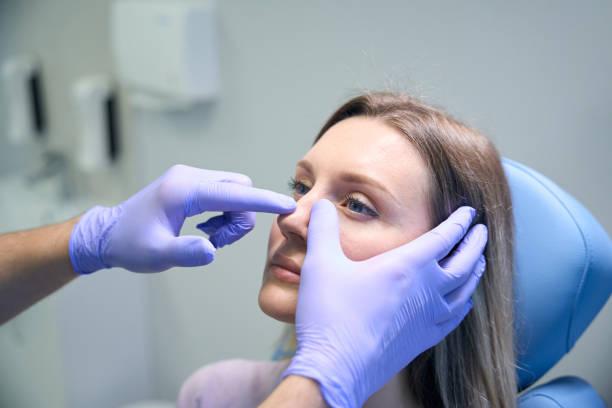
Nasal tip refinement is a component of rhinoplasty that focuses specifically on improving the shape and proportions of the lower part of the nose. Rather than treating every nose in the same way, the surgeon evaluates the cartilage, soft tissue, skin, and relationship between the tip and nasal bridge.
Depending on the patient's concerns, refinement may involve changing the width, projection, rotation, or symmetry of the tip. The goal is generally a balanced and natural-looking appearance rather than an artificially sharp or extremely small tip.
Common Reasons for Tip Refinement
Patients may consider tip refinement when they are concerned about:
- A wide or rounded nasal tip
- An under-projected tip
- An overly prominent tip
- A downward-pointing tip
- Uneven or asymmetrical tip cartilage
- A tip that appears disproportionate to the nasal bridge
- Changes following an injury or previous rhinoplasty
The appropriate correction depends on what is causing the particular appearance.
How Tip Refinement Works
The nasal tip is supported mainly by cartilage known as the lower lateral cartilages. Their size, position, strength, and symmetry influence the visible shape of the tip.
During rhinoplasty, the surgeon may carefully reshape or reposition these cartilages. Suturing techniques can sometimes improve their position, while cartilage grafts may be considered when additional support or projection is needed.
The approach is selected according to the patient's existing anatomy. Excessive removal of cartilage is generally avoided because adequate structural support is important for both appearance and nasal function.
Refining a Wide or Rounded Tip
A broad or rounded tip may result from the shape and position of the underlying cartilage, soft-tissue thickness, or a combination of factors. Surgical refinement can sometimes create a more defined appearance by carefully adjusting the supporting cartilage.
However, the amount of visible refinement depends partly on skin characteristics. When the skin is thicker, underlying structural changes may appear softer after healing.
A personalized assessment helps establish what degree of refinement is realistic.
Improving Tip Projection
Projection describes how far the nasal tip extends forward from the face. If the tip has limited projection, it may appear less defined or blend into the surrounding nasal structures.
Depending on the patient's anatomy, cartilage support may be repositioned or strengthened to create an appropriate degree of projection. The objective is not to maximize projection but to establish a proportion that works with the bridge, lips, chin, and overall facial profile.
Rhinoplasty in Riyadh may incorporate tip projection changes when they are appropriate for the patient's facial structure.
Adjusting Tip Rotation
The angle at which the nasal tip points can also affect facial balance. A downward-pointing tip may make the nose appear longer, while excessive upward rotation can produce an unnatural appearance.
Tip rotation is therefore planned carefully. The surgeon considers the patient's facial proportions and existing nasal anatomy before determining whether any adjustment is appropriate.
Small structural changes can influence the overall appearance of the nose, making careful planning especially important.
Correcting Tip Asymmetry
Nasal tip asymmetry may result from naturally uneven cartilage, previous trauma, or earlier surgery. One side may appear higher, wider, or more projected than the other.
Tip refinement can sometimes improve this imbalance by repositioning or reshaping the cartilage. In more complex cases, additional structural support may be necessary.
Although surgery can improve noticeable asymmetry, perfect symmetry is not always possible because natural facial asymmetry is common.
The Importance of Skin Thickness
Skin thickness is an important factor in determining how tip refinement appears after surgery. Thin skin can make cartilage contours more visible, while thicker skin can create a softer appearance over the underlying framework.
This does not mean that patients with thicker skin cannot achieve refinement. Instead, the surgical strategy and expectations need to account for the characteristics of the soft tissue.
A consultation allows the surgeon to assess these factors and explain how they may influence the final appearance.
Maintaining Nasal Structure and Breathing
Tip refinement is not purely cosmetic. The cartilage supporting the nasal tip contributes to the overall stability of the nose and can influence the nasal airway.
For this reason, structural support should be preserved during surgery. Changes that are too aggressive may affect nasal stability or breathing.
A comprehensive rhinoplasty assessment considers both external appearance and internal function. Rhinoplasty in Riyadh can therefore be planned to refine the tip while maintaining appropriate structural support.
Open and Closed Approaches for Tip Refinement
Tip refinement may be performed using an open or closed rhinoplasty approach, depending on the complexity of the planned changes.
Open Approach
Open rhinoplasty involves internal incisions and a small incision across the columella. It provides greater visibility of the nasal framework and may be useful for detailed or complex tip work.
Closed Approach
Closed rhinoplasty uses incisions inside the nostrils. It may be appropriate for selected cases where the required changes can be performed without an external columellar incision.
The choice depends on anatomy, surgical goals, and the extent of correction required.
Recovery After Tip Refinement
Swelling and tenderness are common after rhinoplasty. Nasal congestion, bruising, pressure, and temporary changes in sensation may also occur.
The tip can remain swollen for an extended period, so the final degree of definition may not be apparent during the early stages of recovery. As swelling gradually decreases and the tissues heal, the shape becomes clearer.
Patients should protect the nose from pressure and accidental impact, follow postoperative instructions, and attend scheduled follow-up appointments.
Setting Realistic Expectations
Tip refinement is about improving proportion and definition rather than creating a universal ideal nose. The most suitable tip shape depends on facial structure, skin characteristics, nasal framework, and personal preferences.
A detailed consultation can help patients understand which changes are realistic and how those changes may interact with the rest of the nose. Rhinoplasty in Riyadh should be planned around natural facial harmony, structural stability, and the patient's individual goals.
Book Your Appointment at Royal Clinic Saudia
If you are considering nasal tip refinement, Royal Clinic Saudia can provide a personalized consultation to evaluate your nasal structure, facial proportions, skin characteristics, and aesthetic concerns. A professional assessment can help determine an appropriate approach based on your individual needs.
FAQs:
What is tip refinement in rhinoplasty?
It is a surgical approach focused on improving the shape, projection, rotation, or symmetry of the nasal tip.
Can rhinoplasty make a rounded tip more defined?
In suitable cases, careful modification of the underlying cartilage can improve the definition of a rounded tip.
Does thick skin affect tip refinement?
Yes. Thicker skin can soften visible structural changes, so expectations and surgical planning should account for it.
How long does nasal tip swelling last?
Tip swelling gradually decreases during healing, but the tip may take considerably longer to settle than some other areas of the nose.


 English
 Arabic
 French
 Spanish
 Portuguese
 Deutsch
 Turkish
 Dutch
Dutch
 Italiano
 Russian
 Portuguese (Brazil)
 Greek
Greek
