
Is Bariatric Surgery Safe for Weight Loss?
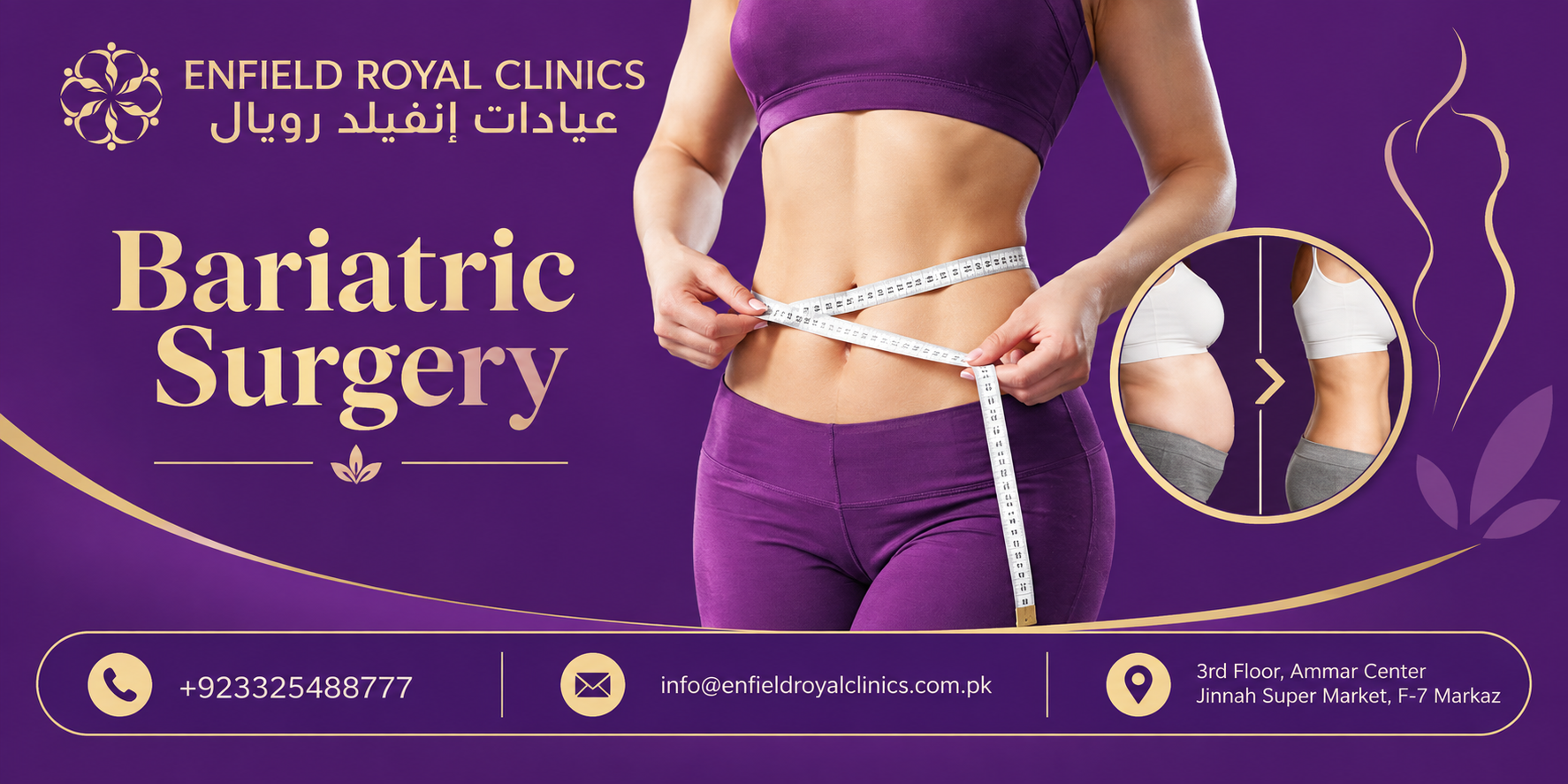
Bariatric surgery has become an established option for people who struggle with severe obesity and have difficulty achieving lasting weight loss through lifestyle changes alone. Bariatric Surgery in Islamabad can support weight management by reducing stomach capacity, changing appetite signals, or altering the way the digestive system processes food, depending on the procedure.
Like any major surgery, bariatric surgery has potential risks and requires careful medical evaluation. However, when an appropriate procedure is selected and the patient follows recommended medical and nutritional guidance, it can be a safe and effective part of a long-term weight-management plan. Understanding the benefits, risks, preparation, and recovery process can help patients make informed decisions.
Is Bariatric Surgery Generally Safe?
Bariatric surgery can be safely performed in suitable patients when proper medical assessment, surgical planning, anesthesia care, and postoperative monitoring are provided. The safety of treatment depends on several factors, including the patient's overall health, weight, existing medical conditions, type of procedure, and ability to follow postoperative instructions.
Patients are usually evaluated before surgery to identify potential risks and determine whether they are appropriate candidates. This assessment helps create a treatment plan based on individual needs rather than using the same approach for everyone.
How Does Bariatric Surgery Support Weight Loss?
Different bariatric procedures support weight loss in different ways. Some reduce the size of the stomach, allowing the patient to feel full after eating smaller portions. Others may also affect digestion or hormones associated with hunger and fullness.
These changes can make calorie control easier and support gradual weight reduction. However, surgery is not a quick solution that works independently of lifestyle habits. Healthy food choices, appropriate portions, physical activity, and regular follow-up remain important for long-term success.
What Are the Possible Risks of Bariatric Surgery?
Although bariatric surgery can provide important benefits, it also carries potential risks because it involves an operation and changes to the digestive system. Possible complications can include bleeding, infection, blood clots, digestive problems, or reactions related to anesthesia.
Some patients may also experience nutritional deficiencies if they do not receive or follow appropriate dietary and supplement guidance after surgery. The level of risk varies according to the patient's health and the specific procedure.
Understanding these risks does not mean that surgery is unsafe. Instead, it highlights why careful patient selection, proper preparation, and postoperative monitoring are important.
How Can Patients Prepare for Safer Surgery?
Preparation can play an important role in reducing avoidable problems. Before Bariatric Surgery in Islamabad, patients may undergo medical assessments, blood tests, nutritional evaluation, and other examinations based on their health history.
Patients may also receive instructions about eating habits, medications, smoking, physical activity, and other factors before the procedure. Following these instructions carefully can help the body prepare for surgery and recovery.
A clear understanding of the procedure is also valuable. Patients should know what type of surgery is being considered, how recovery generally works, and what dietary changes may be needed afterward.
What Is Recovery Like After Bariatric Surgery?
Recovery varies depending on the type of bariatric procedure and the individual's overall health. During the early recovery period, the digestive system needs time to adjust. Eating usually progresses gradually, beginning with carefully selected foods and eventually moving toward more regular meals.
Patients are commonly advised to eat slowly, take smaller portions, stay hydrated, and follow nutritional recommendations. Physical activity is also gradually introduced according to medical guidance.
Regular follow-up appointments are important because they allow healthcare professionals to monitor weight loss, nutritional status, healing, and any concerns that may develop during recovery.
Can Bariatric Surgery Provide Long-Term Benefits?
Bariatric surgery can provide long-term weight-management benefits for suitable patients. Significant weight loss may improve mobility, make physical activity easier, and support better management of certain obesity-related health conditions.
However, long-term results depend on more than the surgery itself. Eating patterns, physical activity, sleep, emotional well-being, and continued medical follow-up can all influence outcomes.
Patients who understand surgery as part of a broader lifestyle change may be better prepared for the responsibilities that follow treatment.
Who Should Consider Bariatric Surgery?
Bariatric surgery is not appropriate for every person who wants to lose weight. Eligibility is generally based on factors such as the degree of obesity, related health conditions, previous attempts at weight management, and overall medical suitability.
A detailed assessment is necessary before making a decision. The healthcare team can review the patient's health history and discuss whether surgery is appropriate, which procedure may be considered, and what potential benefits and risks apply to that individual.
FAQs
1. Is bariatric surgery safe for everyone?
No. Safety and suitability depend on individual health, medical history, obesity level, and the type of procedure. A complete medical assessment is necessary.
2. Can bariatric surgery have complications?
Yes. Like other major surgeries, it can have risks such as bleeding, infection, blood clots, digestive issues, and nutritional deficiencies. Appropriate monitoring can help manage these risks.
3. Does bariatric surgery guarantee permanent weight loss?
No. Surgery can provide strong support for weight loss, but long-term results depend on healthy eating, physical activity, and ongoing follow-up.
4. How can patients improve their recovery after surgery?
Following dietary instructions, staying hydrated, taking recommended supplements, gradually increasing activity, and attending follow-up appointments can support recovery.
For more information visit Enfield royal clinic in islamabad

 English
 Arabic
 Spanish
 Portuguese
 Deutsch
 Turkish
 Dutch
Dutch
 Italiano
 Russian
 Romaian
 Portuguese (Brazil)
 Greek
Greek
