
Who Controls a Trust? Understanding Trust Management in 2026
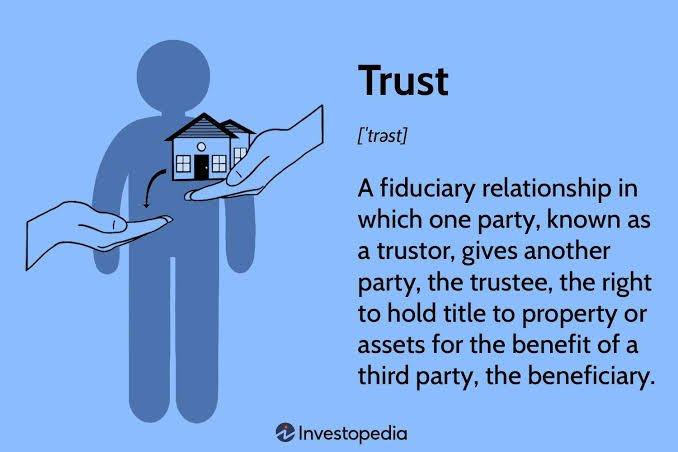
Trusts can be valuable tools for managing property, providing for family members, and organizing the transfer of wealth. However, the different roles involved in a trust can make it difficult to understand who actually has authority over the assets.
The grantor creates the trust, the trustee manages its property, and beneficiaries receive benefits according to the trust's terms. Because these responsibilities can overlap, many people ask, who controls a trust?
The answer depends on the type of trust, the language of the trust document, and applicable law. Understanding how authority is divided among the people involved can help families avoid confusion and make better-informed estate planning decisions.
The Grantor Establishes the Rules
The grantor, also known as the settlor or trustor, is the person who creates the trust.
The grantor typically decides which assets should be placed into the trust, identifies beneficiaries, selects a trustee, and establishes instructions for managing and distributing the property.
In a revocable trust, the grantor may retain substantial powers. Depending on the terms, the grantor may be able to amend the trust, revoke it, change beneficiaries, or replace the trustee.
This means the grantor can have significant control while the trust remains revocable and the grantor retains the necessary legal powers.
The Trustee Manages the Trust
The trustee is generally responsible for administering trust property.
Trustee responsibilities can include managing investments, maintaining real estate, paying legitimate expenses, keeping records, making authorized distributions, and communicating with beneficiaries.
However, the trustee does not normally have unlimited personal authority over trust assets. The trustee must follow the trust agreement and comply with applicable fiduciary duties.
For example, if a trust owns a home, the trustee may have authority to maintain or sell the property if permitted by the trust. The trustee generally cannot use the home or sale proceeds for personal purposes simply because they manage the asset.
Revocable Trusts Provide Greater Flexibility
A revocable living trust often gives the grantor considerable control during their lifetime.
In many cases, the grantor also serves as the initial trustee. This allows the grantor to continue managing trust property while alive and capable.
The grantor can generally make changes permitted by the trust document and applicable law. If circumstances change, the grantor may be able to modify beneficiaries or other provisions.
This flexibility is one reason revocable trusts are frequently considered in estate planning.
Irrevocable Trusts Shift Control
Irrevocable trusts generally operate differently.
After assets are transferred into an irrevocable trust, the grantor may have limited ability to modify or revoke the arrangement. The trustee typically assumes responsibility for managing the assets according to the trust's terms.
The extent of the grantor's retained powers depends on the specific trust structure. Because transferring assets to an irrevocable trust can have significant legal and tax consequences, the arrangement should be carefully considered before implementation.
Beneficiaries Have Rights, but Not Usually Management Authority
Beneficiaries are the individuals or organizations intended to benefit from the trust.
Being a beneficiary does not ordinarily mean having direct control over trust property. Instead, beneficiaries have the rights provided by the trust agreement and applicable law.
Depending on the circumstances, beneficiaries may be entitled to distributions or information concerning trust administration. They may also have legal remedies if a trustee fails to perform required duties.
However, beneficiaries generally cannot simply take control of trust assets because they are named in the trust.
What Happens When the Grantor Becomes Incapacitated?
A properly structured living trust can provide continuity if the grantor becomes unable to manage their affairs.
If the grantor is also the trustee, the trust may identify a successor trustee who can assume responsibility when the requirements established in the trust are satisfied.
The successor trustee can then manage trust property according to the existing instructions. This can help prevent uncertainty about who should administer the assets during a period of incapacity.
The precise process depends on the trust document and applicable law.
Can a Trustee Be Replaced?
A trustee does not necessarily serve forever.
A trust document may identify a successor trustee or establish a process for replacing the current trustee. In certain circumstances, applicable law or a court may also provide a mechanism for removing or replacing a trustee.
Possible issues can include resignation, death, incapacity, conflicts of interest, or alleged failure to properly administer the trust.
The exact requirements depend on the governing documents and applicable law.
Trustee Authority Depends on the Trust Document
When asking who controls a trust, it is important not to rely on general assumptions.
Some trusts give trustees broad authority to manage investments and property. Others impose detailed restrictions on distributions, sales, or investment decisions.
The trustee's authority may also differ depending on whether the trust is revocable, irrevocable, discretionary, or structured for a particular purpose.
Reviewing the actual trust document is therefore essential when determining who has authority to make a particular decision.
Can Beneficiaries Challenge Trustee Decisions?
Beneficiaries may have certain rights if they believe a trustee has improperly managed trust assets.
For example, disputes can arise over distributions, investment decisions, accounting, conflicts of interest, or alleged misuse of trust property.
A beneficiary's ability to challenge a trustee depends on the trust terms and applicable law. Not every disagreement with a trustee necessarily establishes grounds for removal or legal action.
When disagreements arise, reviewing the trust document and obtaining appropriate legal guidance can help clarify the available options.
Choosing the Right Trustee
Selecting a trustee is an important part of establishing a trust.
The trustee should be capable of managing financial responsibilities, maintaining records, following detailed instructions, and acting in accordance with fiduciary obligations.
Some families choose a trusted relative or friend, while others consider professional or corporate trustees. The right choice depends on the complexity of the trust, the assets involved, family relationships, and the responsibilities the trustee will have.
Conclusion
So, who controls a trust? There is no single answer for every trust. The grantor establishes the trust and may retain significant powers, particularly with a revocable trust. The trustee generally manages trust property and must follow the trust's instructions. Beneficiaries receive the interests and protections established by the trust but do not ordinarily control the assets simply because they benefit from them.
The trust document, type of trust, and applicable law ultimately determine how authority is divided. Understanding these distinctions before creating or administering a trust can help families establish clearer expectations and reduce potential disputes.

 English
 Arabic
 Spanish
 Portuguese
 Deutsch
 Turkish
 Dutch
Dutch
 Italiano
 Russian
 Romaian
 Portuguese (Brazil)
 Greek
Greek
