
Liposuction for the Thighs: A Complete Guide
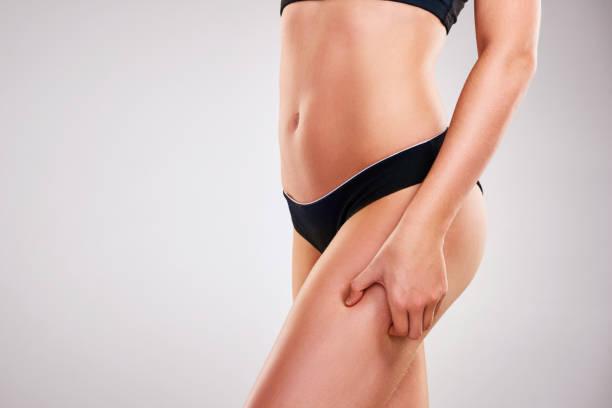
Thighs can sometimes retain localized fat deposits that remain noticeable despite regular exercise and healthy eating habits. For people considering Liposuction in Riyadh, understanding how thigh liposuction works, which areas can be treated, and what recovery involves can make the decision process clearer. This body-contouring procedure is designed to refine the shape of the thighs by removing selected fat deposits while maintaining natural proportions.
What Is Thigh Liposuction?
Thigh liposuction is a surgical body-contouring procedure that removes localized fat from selected areas of the thighs. A surgeon uses a thin cannula through small incisions to loosen and suction targeted fat. The treatment plan is customized according to the patient's anatomy, fat distribution, skin elasticity, and desired contour.
Which Areas of the Thighs Can Be Treated?
Depending on individual anatomy, liposuction may address the inner thighs, outer thighs, front of the thighs, or areas around the knees. Some patients may have isolated deposits in one region, while others may have more widespread fullness. A surgeon evaluates the entire leg profile to create balanced results.
Inner Thighs
Inner-thigh fat can sometimes cause the thighs to appear closer together or fuller than desired. Carefully planned liposuction may reduce localized deposits in this area and create a smoother transition between the upper legs.
Outer Thighs
Outer-thigh fullness, sometimes referred to as “saddlebags,” can affect the overall silhouette of the hips and thighs. Treating this region may help create a more balanced relationship between the waist, hips, and legs.
Who Is a Good Candidate for Thigh Liposuction?
Thigh liposuction may be considered for adults who are generally healthy, have relatively stable weight, and have localized fat deposits that have not responded sufficiently to lifestyle measures. Candidates should understand that liposuction is intended for body contouring rather than major weight loss.
The Importance of Skin Elasticity
Skin elasticity can influence how smoothly the skin adapts after fat removal. Individuals with relatively good skin elasticity may experience more predictable contouring. Significant loose skin may require a different treatment approach because removing fat alone does not necessarily correct excess skin.
Realistic Expectations
A successful outcome should focus on improved proportions and contour rather than achieving a completely different body shape. During consultation, the surgeon can explain what changes may be realistic based on the amount and location of thigh fat and the condition of the surrounding tissues.
How Does Thigh Liposuction Work?
Before treatment, the surgeon identifies the areas to be contoured and marks the planned treatment zones. Depending on the selected technique, a specialized solution may be introduced into the fatty tissue. A cannula is then carefully moved through the targeted areas to loosen and remove fat.
Treatment Planning
The surgeon considers the inner and outer thigh contours, surrounding areas, skin quality, and overall leg proportions. This planning is important because removing excessive fat from one area can create an uneven appearance.
Fat Removal
The cannula is moved through the fatty layer using controlled movements. The goal is to remove appropriate amounts of localized fat while maintaining a smooth and natural contour.
What Are the Benefits of Thigh Liposuction?
Thigh liposuction can help address localized fat that may be resistant to diet and exercise. By selectively removing fat deposits, the procedure can refine the appearance of the thighs and improve overall body proportions.
Improved Thigh Contours
Reducing localized fullness can create a smoother outline around the thighs. The extent of improvement depends on factors such as existing fat distribution, skin elasticity, and the amount of tissue that can safely be removed.
Better Proportions
Thigh contouring can also influence how the legs relate visually to the hips, waist, and lower body. A balanced treatment plan focuses on overall proportions rather than simply reducing one isolated area.
Is Thigh Liposuction a Weight-Loss Treatment?
No. Liposuction is primarily designed for body contouring and is not a substitute for weight management. It may be appropriate for someone who is relatively close to their desired weight but has specific areas of localized fat.
Why Weight Stability Matters
Significant weight changes after treatment can affect the appearance of the thighs and other areas. Maintaining a relatively stable weight can help preserve the contours created by surgery.
What Is Recovery Like After Thigh Liposuction?
Recovery varies between individuals and depends on the number of areas treated, the amount of fat removed, the technique used, and the patient's healing response. Temporary swelling, bruising, tenderness, and changes in sensation may occur after surgery.
Managing Swelling
Swelling can temporarily make the thighs look fuller than expected. Compression garments may be recommended to support the treated areas and manage postoperative swelling. The surgeon's specific instructions should be followed throughout recovery.
Returning to Exercise
Light movement may be encouraged during the early recovery period, while strenuous exercise and activities that place significant stress on the thighs generally need to wait until medical clearance. Returning gradually to physical activity can help support a safe recovery.
When Will Thigh Liposuction Results Become Visible?
Some contour changes may become noticeable as early swelling begins to decrease, but the final appearance can take several months to develop. The thighs may appear uneven or swollen temporarily during the healing process, so early results should not be considered the final outcome.
Why Results Take Time
The body needs time to heal, tissues need to settle, and postoperative swelling needs to resolve. Follow-up appointments allow the surgeon to evaluate progress and determine whether recovery is proceeding as expected.
Are Thigh Liposuction Results Permanent?
The fat cells removed from the treated areas are permanently eliminated. However, the remaining fat cells can enlarge if significant weight is gained after surgery. Maintaining a stable weight and healthy lifestyle can therefore help preserve the improved thigh contours.
Can Fat Return to the Thighs?
The specific fat cells removed during liposuction do not simply grow back. However, remaining cells can become larger, and changes in body composition can alter the appearance of the treated area. Future weight gain can also affect other parts of the body.
Is Thigh Liposuction Right for You?
Thigh liposuction may be an option for people who have localized fat deposits and want to improve the shape and proportions of their legs. If you are considering Liposuction in Riyadh, a qualified surgeon can evaluate your thigh anatomy, skin elasticity, overall health, and treatment goals to determine whether liposuction is appropriate. A personalized consultation is essential for understanding the expected results and recovery process.
Book an Appointment
Royal Clinic Saudia can provide a personalized consultation for individuals interested in thigh contouring. During an appointment, a qualified medical professional can assess the treatment areas, discuss suitable options, explain recovery requirements, and help establish realistic expectations for the procedure.
FAQs:
Can liposuction remove inner-thigh fat?
Yes, liposuction can be used to target localized fat deposits on the inner thighs when the patient is an appropriate candidate. The treatment should be carefully planned to maintain smooth and balanced contours.
Can thigh liposuction treat saddlebags?
Liposuction may be used to reduce localized fat around the outer thighs, commonly called saddlebags. Suitability depends on the patient's fat distribution, skin quality, and overall anatomy.
Does thigh liposuction permanently remove fat?
The fat cells removed during liposuction are permanently eliminated from the treated area. However, remaining fat cells can enlarge with significant weight gain.
How long does it take to recover from thigh liposuction?
Recovery varies by patient and treatment extent. Swelling and bruising may persist for several weeks, while the final thigh contours can take several months to become fully apparent.

 English
 Arabic
 French
 Spanish
 Portuguese
 Deutsch
 Turkish
 Dutch
Dutch
 Italiano
 Russian
 Romaian
 Greek
Greek
